Creative Apocalypse: Which Professions Will Survive the Age of AI?

AI can write, draw, design and generate images in seconds. But does that mean creative professions are about to disappear? The real dividing line may be between work that is easy to reproduce and work that carries a distinct human point of view.
The phrase “creative apocalypse” sounds dramatic, but it captures a question many writers, designers, illustrators and artists are asking: will AI replace the people who make things, or mainly change what they are paid to do?
The honest answer is that no one can predict exactly how creative work will change. But the early signs point less to whole professions vanishing overnight and more to certain tasks becoming cheaper, faster and less likely to require a human specialist.
A 2025 study of work posted on a major freelance platform found fewer listings for some writing and image-creation jobs after generative AI tools appeared. That is evidence of pressure in a particular online market, not proof that writers and artists as a whole are disappearing. The International Labour Organization also cautions that AI exposure measures show where work could change; they do not, by themselves, predict job losses.
So which creative work is most vulnerable, and what might remain distinctly human?
The creative work most at risk
The first work to shrink is likely to be the most standardised: generic product descriptions, basic SEO copy, simple stock illustrations, template layouts and images made to fill a familiar brief.
These tasks have clear requirements, and many clients may be satisfied with a result that is quick, inexpensive and “good enough.” When a person’s contribution is mainly producing a first draft or a conventional visual, AI can increasingly help businesses make that work themselves or decide they no longer need to commission it.
This does not mean every writer or illustrator is about to lose their livelihood. It means competition may intensify for work that is easy to specify and reproduce. The remaining commissions may call for more unusual ideas, developed creative judgment or closer collaboration with a client.
Writers and screenwriters: beyond the first draft
AI can help brainstorm, summarise, rewrite and produce a serviceable first draft. That may put pressure on routine copywriting, especially when the brief is simply to create more words in a familiar format.
But writing is not only the act of putting sentences on a page. A good writer decides what is worth saying, understands the people involved and chooses what to leave out. Reporters need to establish facts and earn trust. Brand writers need to find a voice that feels specific rather than interchangeable. Screenwriters build emotional arcs, characters and worlds that audiences want to return to.
AI may become another tool in those processes. The challenge for writers will be to bring the perspective, judgment and authorship that make the result feel like it came from someone in particular.
Illustrators and artists: the value of a recognisable hand
AI image tools can quickly produce variations, decorative backgrounds and familiar visual styles. That may make generic or low-cost illustration harder to sell.
At the same time, a distinctive artistic voice may become easier to recognise and more valuable to clients who want something that does not look like everything else. Originality can come from the artist’s style, but also from their ideas, lived experience, humour, cultural understanding and willingness to make unexpected choices.
There is a difference between an image that looks polished and an image that feels authored. As polished images become easier to generate, audiences may pay closer attention to who made the work and how.
Interior design: a beautiful image is only the beginning
Interior design makes the distinction between an attractive output and a complete service especially clear. AI can help generate moodboards, suggest colour combinations or visualise a room in different styles. Those tools can be useful early in the process.
But designing a real space involves much more than producing a convincing image. A designer has to understand how a client actually lives, notice what they have not quite managed to explain, work within a budget and respond to the realities of measurements, light, materials, construction and installation.
A room also has to function after the picture is admired. Someone must make decisions when the plan meets a wall, a supplier or a practical problem. That need for context, trust and responsibility makes it hard to reduce the whole profession to image generation.

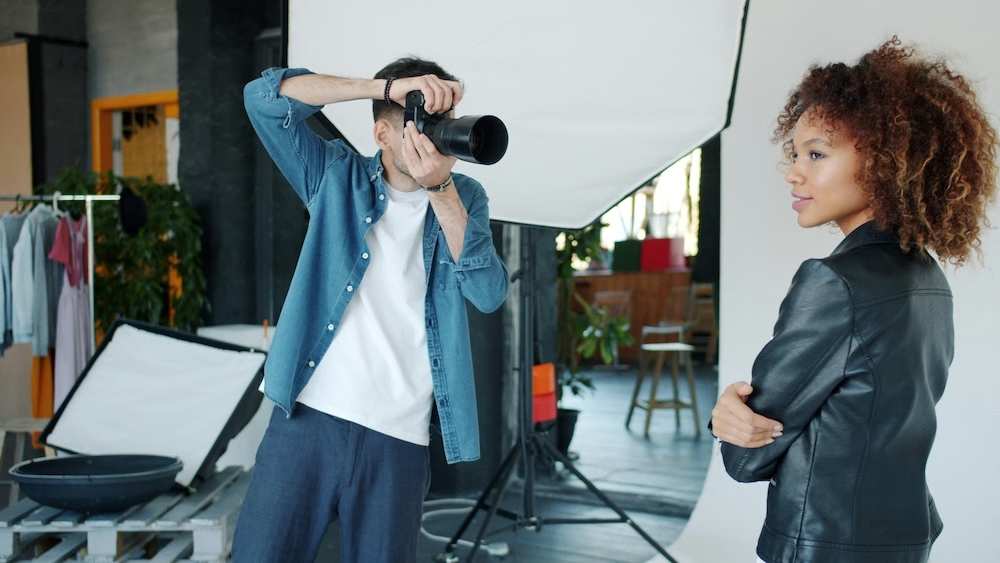
Models and photography: the real world still matters
AI-generated people may be an option for some stock images and simple catalogue work. That could reduce demand for a narrow kind of image commission.
But modelling is not only about supplying a face or a body for a picture. Movement, expression, physical presence and the ability to respond to a photographer or director all matter. So do the human stories and identities a brand wants to represent. In some campaigns, a real person’s presence is the point.
The likely change is not that all models vanish. Some routine image work may use synthetic alternatives, while other projects continue to depend on real people and the creative teams working with them.
Why luxury is turning back to the handmade
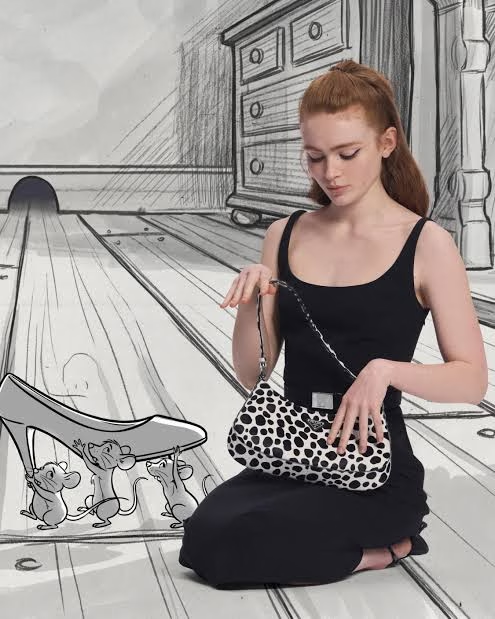
Recent holiday campaigns offer an example of how brands are using craft and process in their storytelling. Prada’s Drawing Prada campaign used hand-drawn animation, while Dior commissioned an animated holiday film from Sylvain Chomet. Dior presented the film as hand-illustrated, and discussion about its process showed how closely audiences now scrutinise claims about human craft and AI.
Porsche’s 2025 festive film, made with animation studio Parallel Studio, combined hand-drawn and 3D animation. These projects do not prove that luxury brands have rejected AI across the board. They do show how craft, process and a recognisable visual style can become part of the story a brand is telling.
When technology makes it easy to produce something smooth and convincing, audiences may place more value on evidence of intention: the human choices, skill and time behind the work.
The creative skills AI cannot supply on its own
The creative professionals best placed to adapt are not necessarily the ones who avoid technology altogether. They may be the ones who know how to use it without letting it make all the decisions.
Taste matters: deciding which idea is strong and which is merely plausible. So do context and empathy: understanding a client, audience or story well enough to make the work feel relevant. Trust matters when someone must stand behind a decision. A clear point of view matters when a market fills with competent work that looks much the same.
Craft matters, too, because the process can give a piece of work its character. A hand-drawn line, a miniature set, an imperfect texture or an unexpected material choice can carry a human presence that a flawless surface does not.
So, will creative jobs survive?
Some kinds of creative work will probably become less common. Others will change, and new ways of working will appear. The first pressure is likely to fall on routine tasks that clients can accept as interchangeable, rather than on every writer, designer, model or artist as a whole.
That is why “creative apocalypse” makes a compelling title, but it should not be the article’s final conclusion. The more interesting question is what we will value when almost anyone can generate a polished image or a passable first draft.
The answer may be the person behind the work: their judgment, imagination, taste, relationships and ability to make something feel deeply authentic and different.
In the age of AI, the creative professional most likely to survive may be the one whose work could not have come from just anyone.