How AI Will Change Interior Design: Will We Still Need Designers?

Artificial intelligence can create a beautiful room in seconds. But does that mean the end of traditional interior design, or the beginning of a completely new creative era?
Not so long ago, imagining a new interior required considerable time and effort. Interior designers would prepare mood boards, select materials, draw floor plans, and create visualizations to help clients understand their ideas.
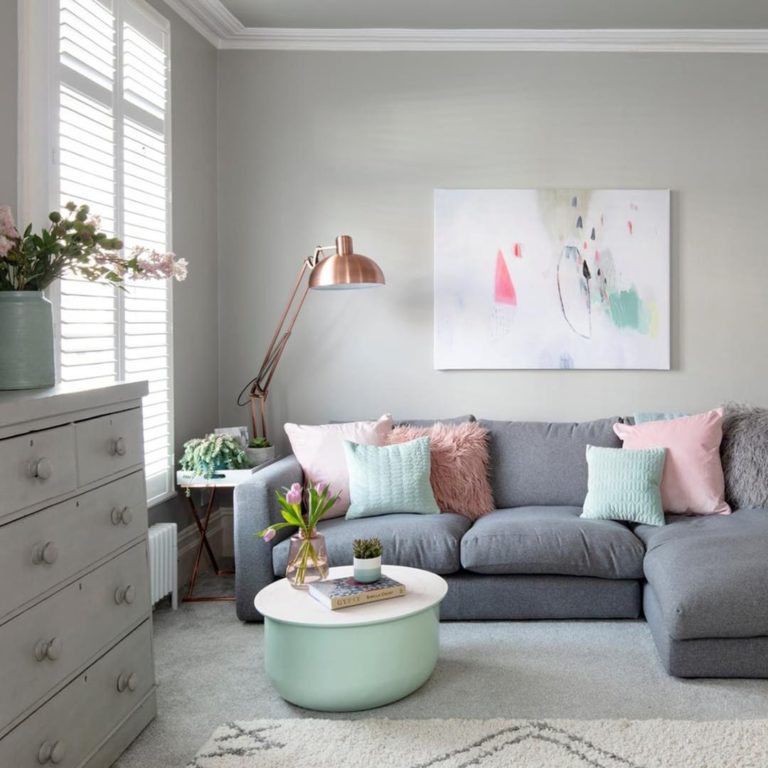
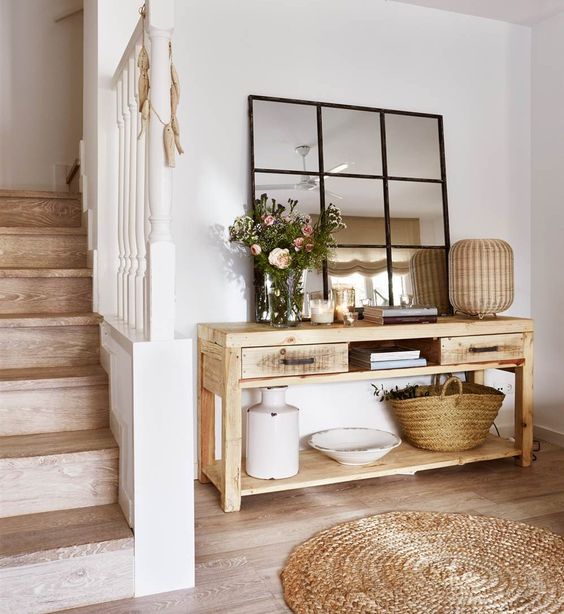
Today, artificial intelligence can generate an impressive interior concept in seconds. Upload a photograph of your living room, ask AI to transform it into a Mediterranean villa, a Parisian apartment, or a minimalist Japanese-inspired space, and almost instantly you can see the result. The images can be remarkably convincing.
As someone with a professional background in interior design, I find this development both fascinating and challenging. It raises an important question: if anyone can create a beautiful interior with AI, what will happen to the interior design profession?
I believe the answer is more complicated than simply saying that AI will replace designers.
1. Interior Design Is Becoming Accessible to Everyone
Perhaps the biggest change AI brings is accessibility. Previously, homeowners often struggled to visualize how different colors, materials, and furniture arrangements would look together. They collected inspiration on Pinterest, purchased magazines, or hired a designer to help communicate their ideas. Now, AI tools allow people to experiment almost endlessly.
You can photograph your bedroom and explore ten different styles before deciding which direction feels right. You can compare a traditional interior with a contemporary one, experiment with wall colors, or imagine how a room might look with different furniture. And you don’t need professional design software or technical drawing skills to get started. This is particularly exciting for people who enjoy decorating their homes but cannot afford a full interior design service. AI won’t necessarily give them a finished project, but it can help them discover their own preferences and develop a clearer vision.
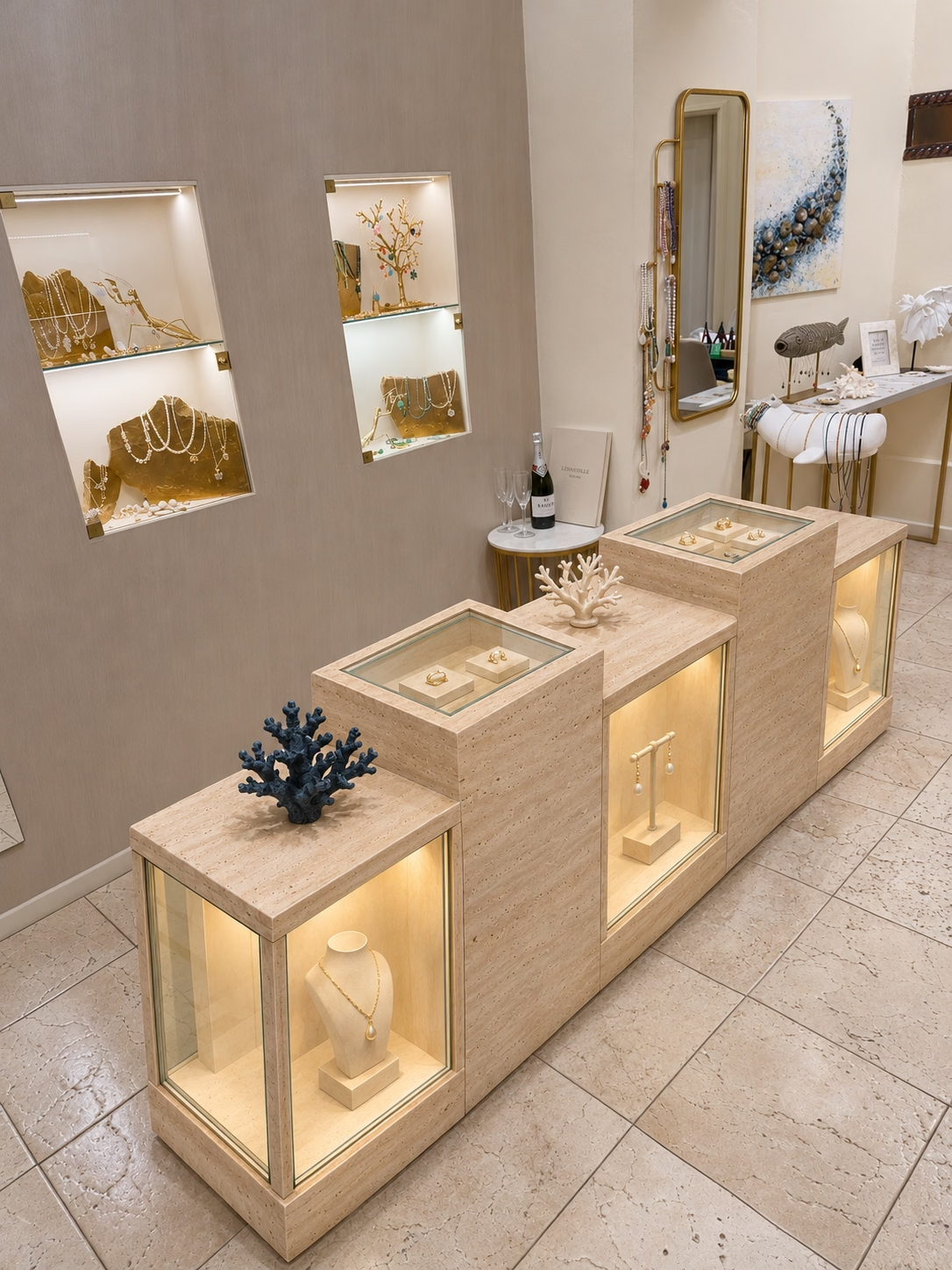
2. The Traditional Design Process Will Become Faster
For professional interior designers, AI offers enormous opportunities to accelerate the creative process. In the past, preparing several visual concepts for a client could require hours or even days. Today, AI can help generate alternative directions almost immediately.
A designer might explore different materials, lighting schemes, furniture styles, or color palettes before developing the most promising concept in detail. According to Houzz’s 2026 U.S. research, 39% of design firms surveyed were already using AI for business tasks, with AI-using firms reporting average savings of 3.6 hours per week.
I suspect this is only the beginning. As the technology develops, designers will spend less time on certain repetitive tasks and more time refining ideas, selecting materials, and working directly with clients. The creative process may become more experimental because testing an idea will require less time and money.
3. Beautiful AI Images Are Not the Same as Real Interior Design
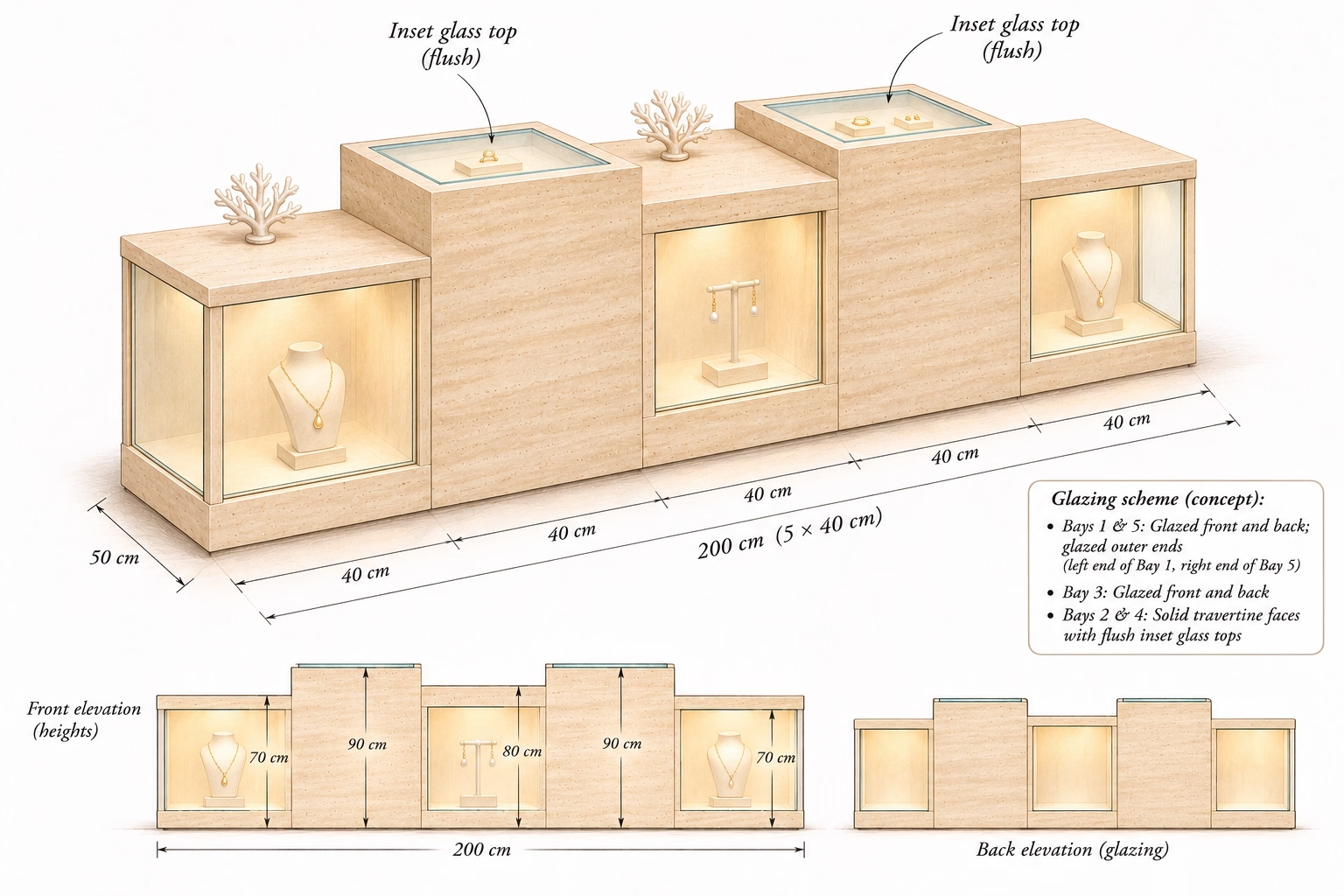
This is where I believe an important distinction needs to be made. AI can generate an extraordinary-looking interior, but that doesn’t necessarily mean the room can be created in reality. A beautifully rendered sofa might not exist. The marble shown in a visualization might be impossible to source within the client’s budget. The furniture might not fit the actual dimensions of the room. A spectacular chandelier could require structural support or electrical work that hasn’t been considered. And an elegant kitchen layout might look perfect in an image while being completely impractical to use.

These are details that professional designers deal with every day. Real interior design involves much more than creating attractive pictures. It requires understanding proportions, materials, ergonomics, lighting, construction methods, budgets, and the way people actually live.
AI can show us what a room could look like. A designer must understand how to make it work.
4. Will AI Make Interior Design Cheaper?
I believe it probably will, at least for certain services. If designers can develop concepts and communicate ideas more quickly, some projects may require fewer hours of work. We may see new, more affordable services focused on AI-assisted concept development, color consultations, and room styling.
For example, someone who previously couldn’t afford to hire a designer might pay for a short consultation to refine an AI-generated concept and receive professional advice on how to implement it. At the same time, I don’t believe bespoke interior design will disappear. Clients undertaking substantial renovations or creating luxury homes will still need professionals who can coordinate contractors, specify materials, solve technical problems, and oversee the execution.
In fact, as beautiful visualizations become easier to produce, the ability to deliver an exceptional finished interior may become even more valuable.
5. The Value of Originality Will Increase
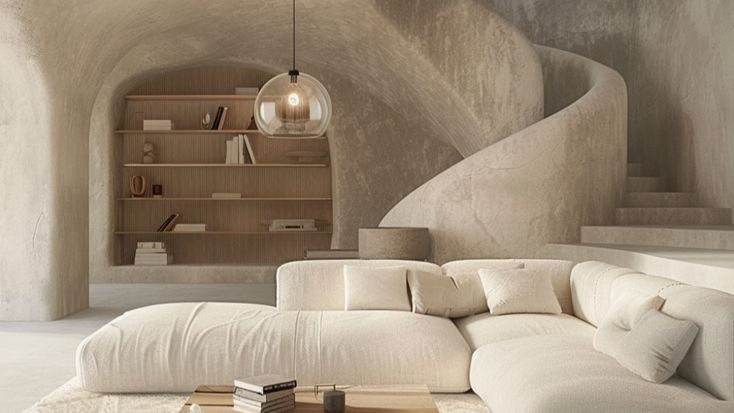
There’s another aspect of AI-generated interiors that I find particularly interesting. AI is excellent at producing images based on familiar visual styles. Ask for a Mediterranean interior, and it may generate beige walls, travertine tables, linen sofas, olive trees, and warm sunlight. The result can be beautiful.
But when thousands of people use similar prompts, there’s a risk that interiors will begin to look increasingly alike. We’ve already seen how social media trends can make homes around the world resemble one another.
AI could accelerate that process. This is why I believe originality, personal taste, and the ability to create something genuinely distinctive will become even more important. A talented designer doesn’t simply reproduce a fashionable aesthetic. They understand the client’s personality, the architecture of the building, the surrounding environment, and the emotional atmosphere they want to create. They know when to introduce an unexpected material, an unusual antique, or a piece of furniture that doesn’t follow the latest trend. These decisions are what give an interior character.
6. Interior Designers May Become Creative Directors
I think the future role of an interior designer could increasingly resemble that of a creative director. Instead of spending so much time producing initial visualizations, designers will guide the creative direction of a project. They’ll interpret the client’s needs, evaluate AI-generated possibilities, and decide which ideas deserve to be developed. They’ll combine technology with their knowledge of architecture, craftsmanship, materials, and human behavior.
Imagine a client arriving with twenty beautiful AI-generated images. The designer’s role won’t simply be to create another twenty. It will be to explain which concepts are suitable for the space, which materials will work, what the project might cost, and how to transform the inspiration into a coherent interior. In other words, the value of a designer may shift from producing images to making intelligent creative decisions. And I believe that’s a positive development for the profession.
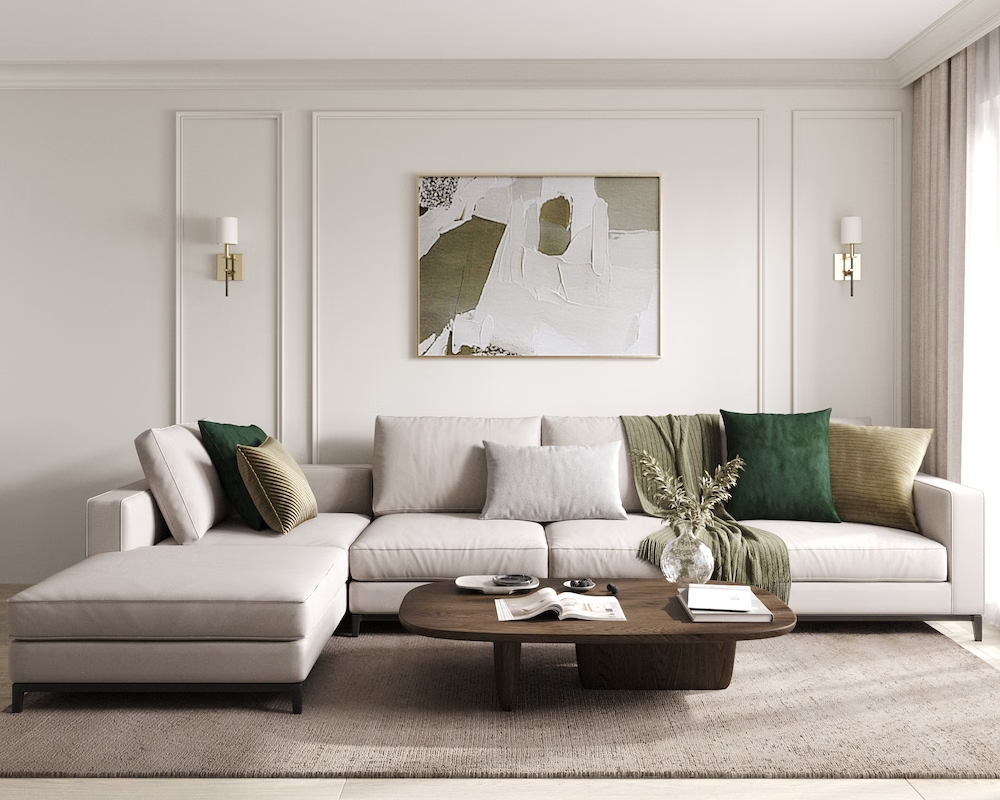
7. What AI Still Cannot Replace
For me, the most interesting interiors have always been those that tell a story. A home should reflect the people who live there. Their travels, collections, memories, habits, and personalities. A beautifully designed room isn’t necessarily the one that looks most impressive in a photograph. It’s the one that feels right to its inhabitants.
When working on an interior, a designer must understand things that are difficult to communicate through a simple prompt. How does the family use the space? Do they entertain guests frequently? Do they have young children? Do they prefer natural light or intimate evening lighting? Which objects have sentimental value? What atmosphere makes them feel comfortable?
AI can help organize this information and suggest possibilities, but understanding a client’s priorities and translating them into a practical, personal environment still requires judgment and collaboration. There’s also the physical side of design: touching fabrics, comparing stone samples, visiting workshops, and seeing how materials respond to natural light. A digital image cannot fully reproduce those experiences.
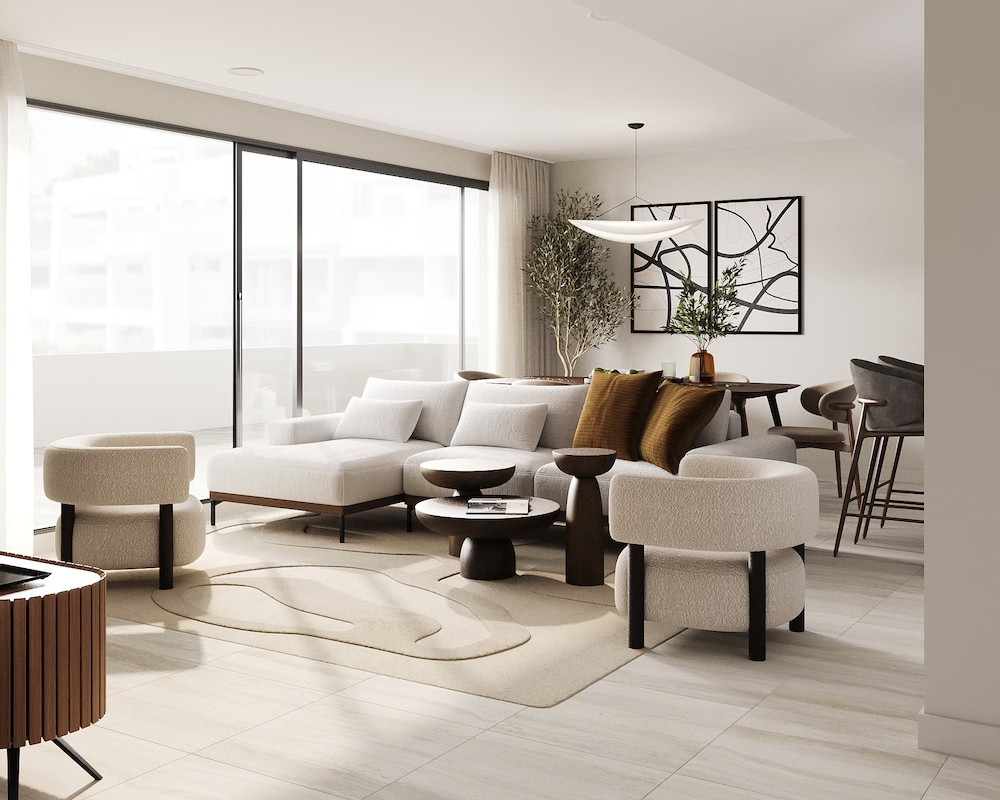
8. How I Would Use AI in an Interior Design Project
If I were approaching a new interior design project today, I would absolutely incorporate AI into the creative process. But I would use it selectively. First, I would establish the client’s needs, budget, and overall design direction. Then I would use AI to explore several visual concepts, experimenting with colors, materials, and atmosphere.
Once a direction was selected, I would move to accurate floor plans, real furniture specifications, material samples, and detailed technical development. I would never treat an AI-generated image as a finished design ready for construction. Instead, I would see it as a creative starting point. A way to explore possibilities more freely before making decisions grounded in reality. The technology should support the designer’s judgment, not replace it.
Final Thoughts: The Future of Interior Design Is Human and Artificial
Will artificial intelligence replace interior designers? I don’t believe it will eliminate the profession, but I do think it will transform it.
Some traditional services will become faster, cheaper, and more accessible. Clients will arrive with more developed ideas and higher expectations. Designers who rely mainly on producing attractive visualizations may find themselves facing increasing competition from AI tools.
But those who offer genuine creativity, technical knowledge, personal attention, and the ability to execute complex projects will continue to provide something valuable. Perhaps the greatest opportunity lies in combining the two. Artificial intelligence can help us imagine more possibilities than ever before. Human designers can decide which of those possibilities are worth bringing to life.
The future of interior design may not belong to humans or AI alone, but to designers who know how to use technology without losing their own creative identity.