Design Principles for Creating Serene Outdoor Spaces

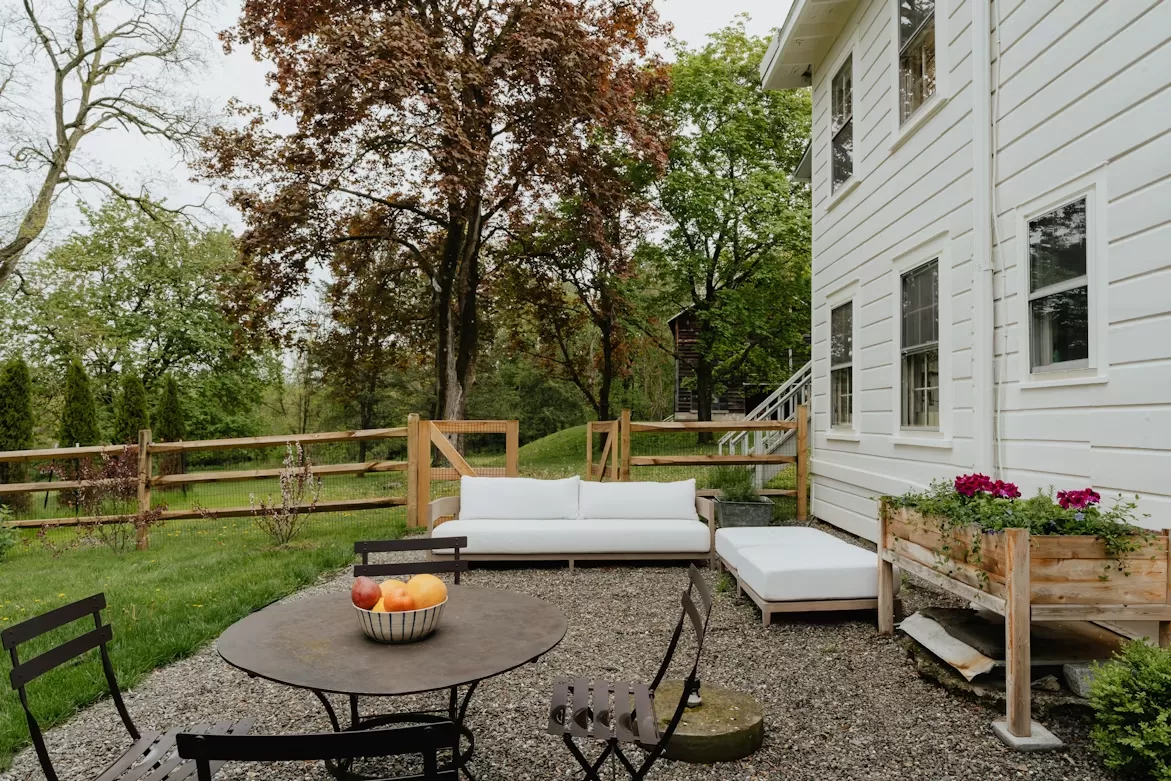
Your backyard should be more than just a patch of grass; it can be a personal sanctuary for relaxation and renewal. Creating a truly serene outdoor space is an exercise in thoughtful design, where every element works together to promote a sense of calm.
With a few key principles, you can transform your outdoor area into a beautiful and peaceful retreat that feels like a natural extension of your home.
Harmony in Outdoor Design
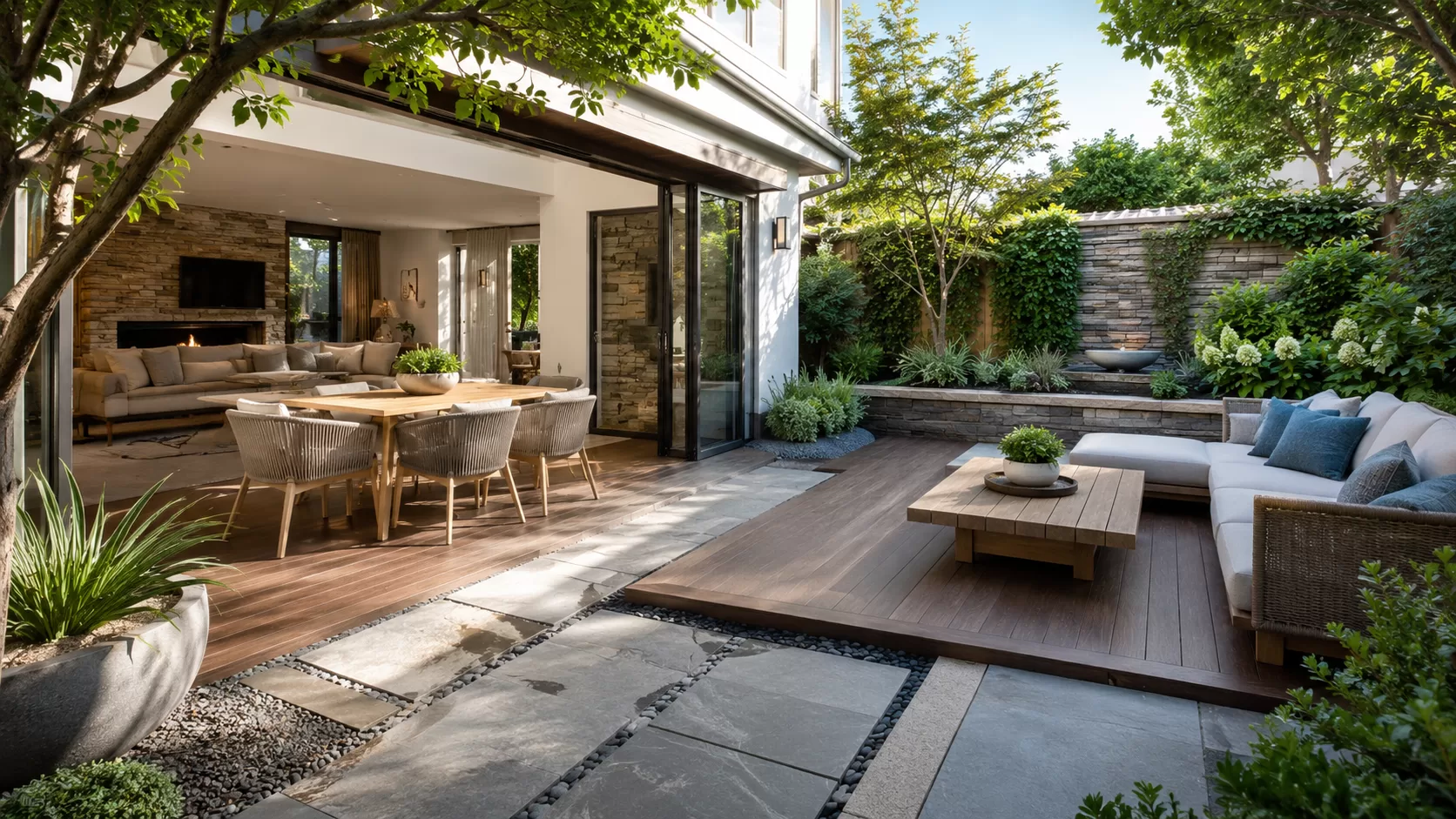
The foundation of a serene space is harmony. This means creating a sense of unity and flow, where different areas connect logically, and sightlines are clear and pleasing. One of the most effective ways to achieve this is to merge indoor and outdoor living. Think about how your patio or deck connects to your living room or kitchen. Using similar flooring materials or color palettes in both areas can create a seamless transition that makes your outdoor space feel like an open-air room.
Consider creating “zones” for different activities, such as a dining area, a lounging spot with comfortable chairs, and a quiet corner for reading. While these zones are distinct, they should feel connected. Use consistent materials or a repeating plant type to tie the whole landscape together, turning it into one of a variety of effortlessly luxurious outdoor spaces that you can enjoy.
Selecting Materials for Calm
The materials you choose have a significant impact on the overall feeling of your yard. Natural materials like wood, stone, and slate evoke a sense of grounding and tranquility. Opt for materials with subtle, organic patterns over those with busy or loud designs. A simple stone pathway or a warm wooden deck can instantly make a space feel more peaceful.
Clarity and order are also key to a calm atmosphere. Unruly garden bed edges or loose groundcover can create visual clutter that detracts from the serenity. Defining these areas with clean lines brings a sense of intention and polish to the landscape. Using a spray-on landscape binder like TerraLock Bed & Border Bond is a practical way to keep loose materials like mulch, pine straw, and pea gravel locked in place along bed edges, so your borders stay crisp and neat.
The Role of Texture and Color
Color and texture are powerful tools for setting a mood. For a serene environment, lean into a soothing color palette dominated by greens, blues, whites, and earthy neutrals. You can introduce pops of color with flowers, but try to stick to a limited selection to avoid overwhelming the senses. A garden filled with varying shades of green foliage can be just as stunning and far more restful than one bursting with every color of the rainbow.
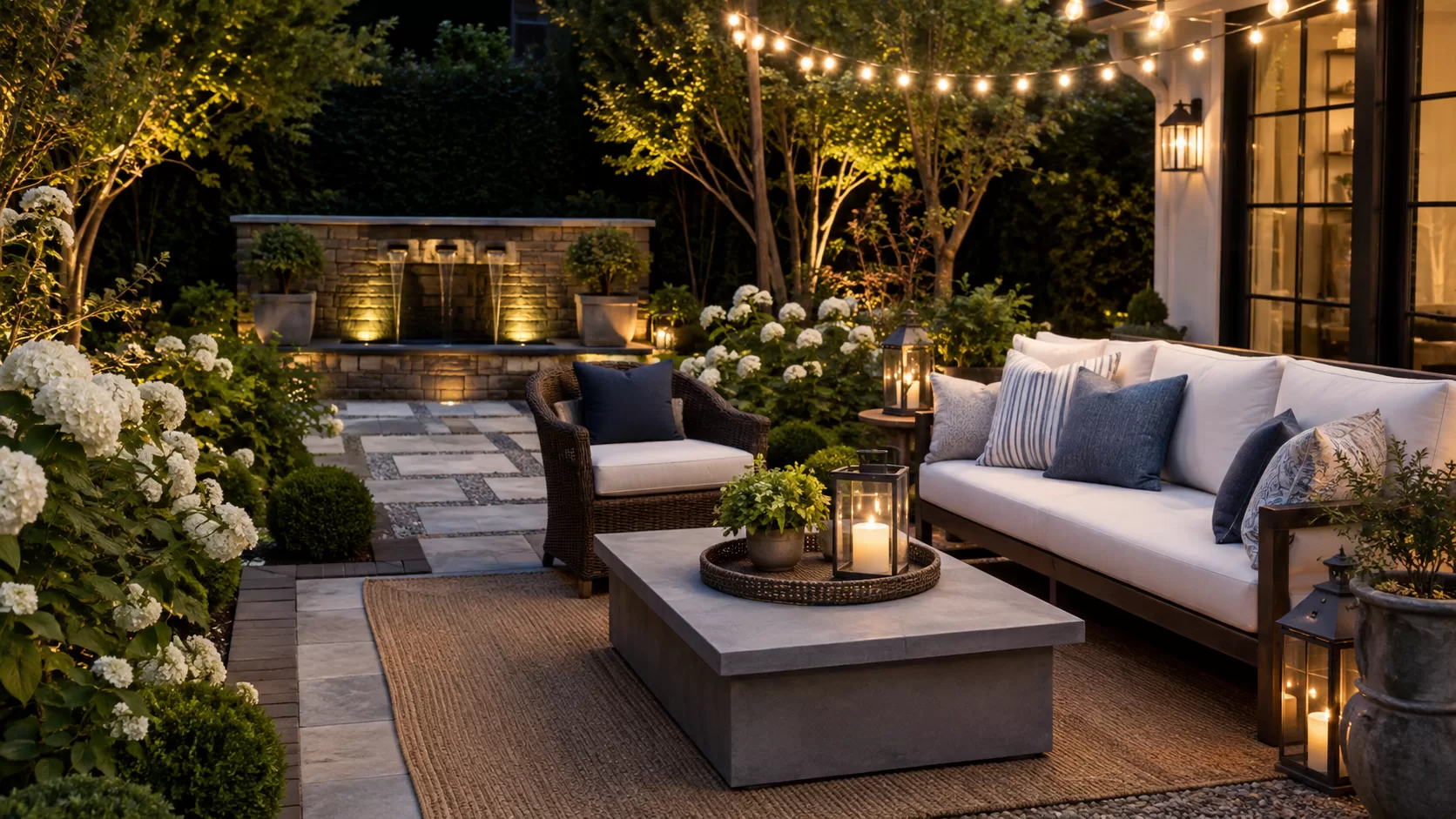
Texture adds depth and interest without adding chaos. Combine plants with different leaf shapes and sizes, the soft fronds of a fern next to the broad leaves of a hosta, for example. Incorporate texture through hardscaping as well, such as a smooth concrete bench, a rough-hewn stone wall, or soft outdoor cushions and rugs. These tactile differences make the space more engaging and comfortable.
Maintaining Your Designed Landscape
A beautiful garden that requires constant, stressful upkeep is not a serene retreat. The key is to design for low maintenance from the start. Choose plants that are native to your region, as they will be better adapted to the climate and require less water and attention. Group plants with similar water needs together to make irrigation simpler.
Consider installing a drip irrigation system on a timer to automate watering. For ground cover, think about using gravel, mulch, or low-growing plants that suppress weeds naturally. The more you can design your landscape to take care of itself, the more time you’ll have to actually sit back and enjoy it.
Enjoying Your Personal Retreat
Once the core design is in place, the final layer involves elements that enhance your enjoyment of the space. Comfortable seating is non-negotiable. Whether it’s a deep-seated sofa, a pair of classic Adirondack chairs, or a hanging hammock, make sure you have a place where you truly want to linger.
Lighting is also essential for extending the usability of your space into the evening. Use soft, warm-toned outdoor lights to create a gentle ambiance. String lights, solar-powered lanterns, or uplighting on trees can create a magical atmosphere. Finally, consider adding the element of sound with a small fountain or simple wind chimes. The gentle sound of trickling water can mask neighborhood noise and promote a meditative state.
Your outdoor space is an opportunity to craft an environment that restores you. By focusing on harmony, thoughtful materials, and sensory details, you can create a personal retreat just a few steps from your door.