
Ways to Attract Millennial Women to Your Online Store

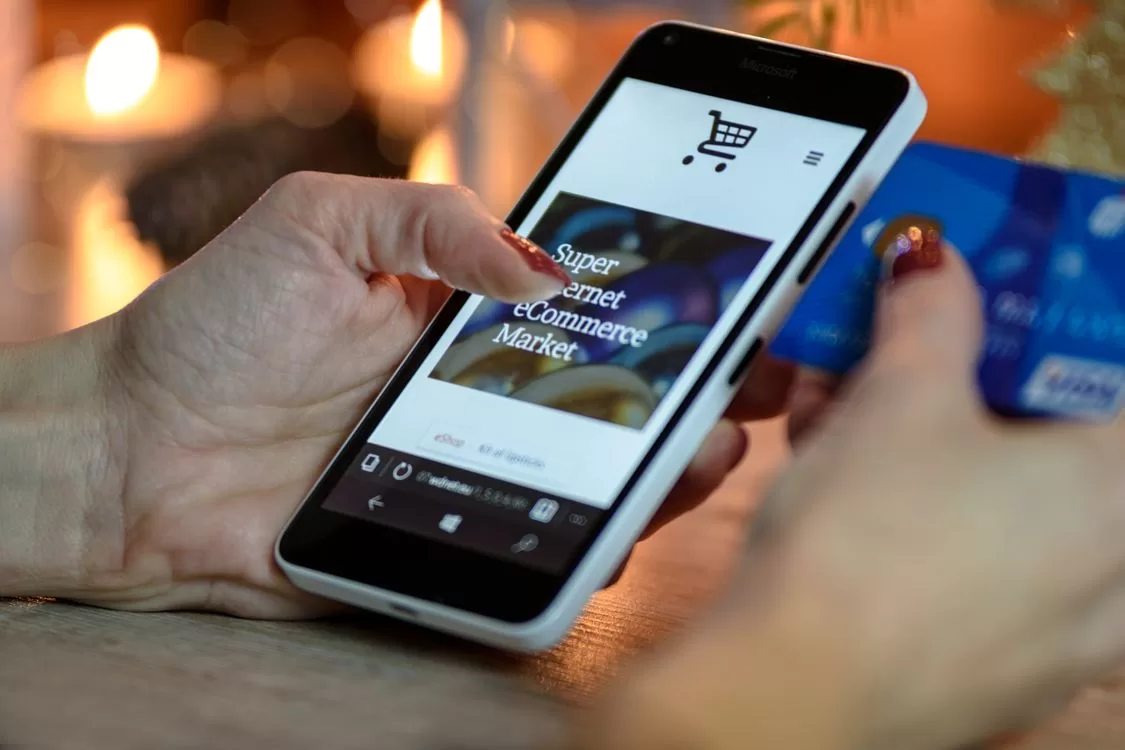
Millennials have played an important role in the growth of online shopping. Having grown up alongside the internet, smartphones, social media, and digital payments, many millennial consumers are completely comfortable researching products, comparing prices, reading reviews, and completing purchases without ever visiting a physical store.
For online retailers, however, attracting millennial women involves more than simply creating an ecommerce website and listing products. Competition is intense, and shoppers have thousands of stores available to them within seconds.
A successful online store therefore needs to combine attractive products with convenience, trust, competitive pricing, good customer service, and a shopping experience that feels simple and enjoyable.
Understanding what millennial shoppers appreciate about ecommerce can help businesses create a store that encourages visitors to browse, purchase, and eventually return.
Why Millennials Love Online Shopping
Convenience remains one of the biggest advantages of ecommerce.
Instead of travelling to several stores searching for a particular product, shoppers can compare different brands, colors, styles, prices, and customer reviews from their phone or computer. Once they find what they want, the product can be ordered within minutes and delivered directly to their home.
Price comparison is another major benefit. Online shoppers can quickly check multiple retailers before making a purchase, which makes competitive pricing, discounts, and promotions particularly important.
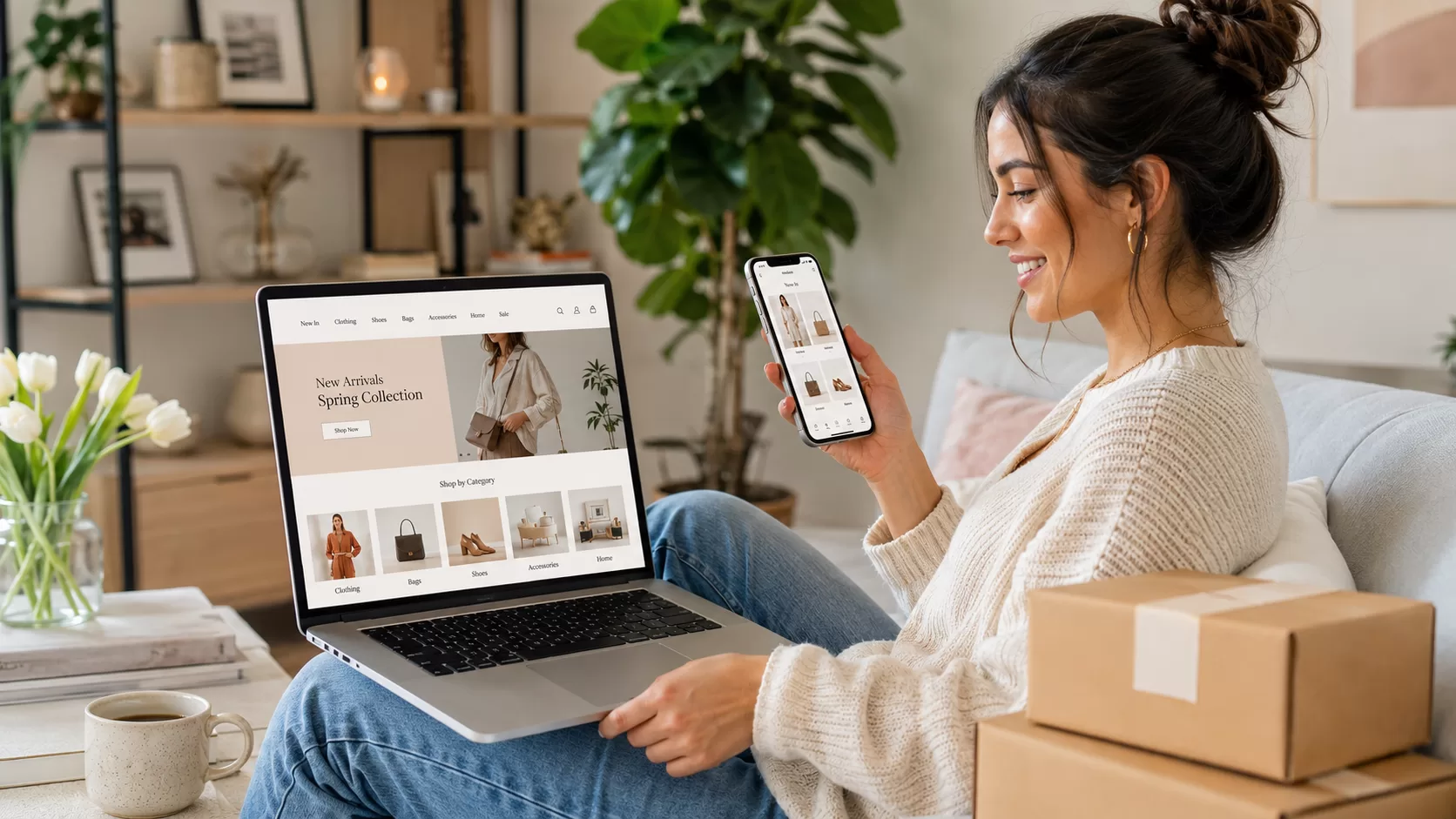
Choice also matters. Physical stores are naturally limited by their available retail space, while online stores can usually offer much larger product ranges. This makes ecommerce especially attractive when shoppers are searching for unusual styles, niche products, specific sizes, discontinued items, or products that might not be available locally.
Online shopping also allows consumers to shop whenever it suits them. There are no opening hours, queues, or crowded stores to deal with. Someone can browse during a lunch break, while commuting, or late at night from the comfort of their sofa.
These expectations have helped shape the modern ecommerce experience.
Online Shops That Appeal to Millennial Shoppers
Looking at successful ecommerce businesses can offer useful clues about what consumers expect from an online store.
Different companies succeed for different reasons, whether through convenience, product selection, distinctive branding, competitive pricing, or a highly specific niche.
1. Amazon
Amazon remains one of the most recognizable names in ecommerce because of the enormous range of products available through its platform.
Customers can purchase practically everything from books to household items without visiting multiple websites.
The appeal is not simply the number of products available. Amazon has also built its shopping experience around convenience. Search tools, customer reviews, saved payment details, delivery estimates, order tracking, and fast shipping all remove friction from the buying process.
Smaller online stores obviously cannot compete with Amazon’s enormous inventory, but they can learn an important lesson from it: make buying as easy as possible.
Every unnecessary step between discovering a product and completing the checkout increases the possibility that a customer will leave.
2. eBay
eBay offers something slightly different.
While shoppers can purchase ordinary products through the marketplace, one of its biggest attractions is the opportunity to discover unusual, vintage, rare, second-hand, or discontinued items.
That sense of discovery can make browsing feel more interesting.
For independent ecommerce businesses, this highlights the importance of offering products that customers cannot easily find everywhere else. A smaller shop can compete successfully by focusing on a carefully selected niche rather than trying to offer thousands of generic products.
Exclusivity can be extremely powerful.
Limited collections, handmade products, vintage pieces, unusual designs, or collaborations with smaller brands can give shoppers a reason to choose an independent retailer instead of a much larger marketplace.
3. Tilly’s
Fashion retailers often succeed when they develop a strong identity rather than attempting to appeal to everyone.
Tilly’s is a good example. The company focuses heavily on youth fashion and products associated with the surf and skate crowd.
This clearly defined style helps customers understand what the brand represents almost immediately.
Online store owners can apply the same principle regardless of what they sell. Think carefully about the type of customer you want to attract and build your visual identity, photography, social media presence, and product selection around that audience.
A store with a recognizable personality is usually more memorable than one that feels generic.
4. JC Unicorn
Accessories are another product category where individuality can make a significant difference.
Millennial shoppers frequently use accessories to personalize otherwise simple outfits, which creates opportunities for smaller brands offering distinctive designs.
For example, Tila bead bracelets brand JC Unicorn offers colorful bracelets designed around a recognizable aesthetic.
Products like these demonstrate how an online business can build an audience around a relatively narrow category.
Rather than competing primarily on price, niche brands can emphasize originality, design, materials, craftsmanship, packaging, and the story behind their products.
For independent retailers, establishing a distinctive identity can be more valuable than trying to compete directly with large marketplaces.
5. ASOS
Fashion ecommerce is incredibly competitive, but ASOS became popular by combining a large product selection with a shopping experience designed specifically for online fashion customers.
Consumers browsing fashion online want more than a simple product photograph.
They want to understand how an item fits, how it looks from different angles, what material it is made from, what sizes are available, and how easily it can be returned if it does not fit.
This is especially important for smaller fashion stores.
High-quality product photography, detailed descriptions, accurate sizing information, and straightforward returns can significantly reduce the uncertainty customers feel when purchasing clothing online.
6. Walmart
Millennial shoppers also purchase a considerable amount of everyday merchandise and home products online.
Large retailers such as Walmart attract customers partly because shoppers can find products across many categories in one place, including furniture, accessories, storage solutions, kitchenware, and other decorative products.
For smaller stores, the lesson is not necessarily to increase inventory.
Instead, think about how products relate to one another.
Someone purchasing a decorative object might also be interested in matching accessories. Someone buying jewelry may appreciate an attractive jewelry box. A customer purchasing a beach dress might also want a bag, hat, or necklace.
Thoughtful product recommendations can increase the average order value while making it easier for shoppers to discover products they genuinely like.
How to Market Your Store to Millennial Women
Understanding successful online retailers is useful, but attracting customers ultimately requires creating a shopping experience that reflects what your target audience expects.
Here are several areas worth focusing on.
1. Make Your Store Easy to Navigate
A beautiful website will not generate many sales if visitors cannot find what they are looking for.
Navigation should be simple and predictable.
Create clear product categories and avoid filling your menu with unnecessary options. Depending on the type of store, filters for size, color, price, material, style, or availability can make browsing significantly easier.
Your search function is equally important.
Customers often arrive at an online store already knowing what they want. If someone searches for “gold necklace” or “linen dress,” relevant products should appear immediately.
Mobile navigation deserves particular attention because a large percentage of ecommerce browsing takes place on smartphones.
Buttons should be easy to tap, product photographs should load quickly, and customers should never have to zoom in just to read basic information.
2. Create Strong Product Pages
For an online customer, the product page replaces the experience of physically picking up and examining an item.
Photography therefore matters enormously.
Show products clearly and include multiple angles where appropriate. Lifestyle photographs can also help customers imagine how an item might look in their home or as part of an outfit.
Descriptions should answer the questions customers are likely to have before purchasing.
Depending on the product, this might include:
- dimensions;
- materials;
- colors;
- care instructions;
- sizing information;
- shipping times;
- what’s included;
- and where or how the product was made.
A good product page should reduce uncertainty rather than simply describe the product in promotional language.
3. Offer Attractive Deals Without Constantly Discounting
Price matters, but permanently discounting everything can weaken a brand.
Instead, promotions can be used strategically.
You might offer a discount for first-time customers, free shipping above a certain order value, seasonal promotions, bundles, loyalty rewards, or exclusive offers for newsletter subscribers.
The objective is to give customers an additional reason to complete their purchase without teaching them to wait for a sale every time they visit.
4. Provide Excellent Customer Service
Good service is particularly important online because customers cannot simply walk into the shop and speak to someone.
Questions need to be answered clearly and efficiently.
Providing excellent customer service can also create an advantage for smaller online stores. Large retailers may have enormous resources, but independent businesses can often provide a more personal experience.
Make it easy for customers to contact you and clearly explain important policies such as shipping, returns, exchanges, warranties, and refunds.
When problems occur, solve them quickly whenever possible.
A customer who has a problem resolved professionally can sometimes become more loyal than a customer whose order went perfectly from the beginning.
5. Build Trust
Customers are understandably cautious when purchasing from an unfamiliar online store.
Your website should immediately demonstrate that there is a legitimate business behind it.
Include clear contact information, transparent shipping costs, realistic delivery estimates, secure payment methods, and straightforward return policies.
Customer reviews and testimonials can also provide valuable reassurance.
Authenticity matters as well.
Original product photographs, information about the people behind the company, and a clear brand story can make an independent store feel considerably more trustworthy than a website filled with generic stock images and vague descriptions.
6. Make Your Store Visually Interesting
Online shopping should be functional, but it can also be enjoyable.
Strong branding helps transform a store from a collection of products into something customers remember.
Use consistent photography, typography, colors, packaging, and messaging throughout your website and social media channels.
Your visual identity should complement the products you sell.
A minimalist jewelry brand, for example, might benefit from clean photography and plenty of white space, while a colorful lifestyle brand might use more playful imagery and typography.
Consistency matters more than complexity.
7. Use Social Media to Create Discovery
For many consumers, shopping starts before they ever visit an online store.
They discover products through social media posts, creators, recommendations, short-form videos, or content shared by friends.
That makes platforms such as Instagram, TikTok, Pinterest, and YouTube valuable discovery channels for visually appealing products.
Instead of using social media exclusively for advertising, create content that helps people understand your products.
Show products being used, explain how they are made, demonstrate different ways to style them, answer common questions, or share behind-the-scenes moments from the business.
Useful or entertaining content gives customers a reason to follow the brand even when they are not currently shopping.
8. Encourage Repeat Customers
Acquiring a new customer is only part of the process.
A successful ecommerce business should also give people reasons to return.
Email newsletters can be used to introduce new collections, announce restocks, share useful content, and provide occasional special offers.
Loyalty programs, early access to new products, birthday promotions, or rewards for repeat purchases can also strengthen customer relationships.
However, communication should remain useful. Sending promotional emails every day is more likely to encourage people to unsubscribe than purchase.
Make Checkout as Simple as Possible
One of the most important parts of an ecommerce website is also one of the easiest to overlook: checkout.
A customer who has added products to the shopping cart has already demonstrated strong purchasing intent. The last thing an online store should do is make the final steps unnecessarily complicated.
Use a Reliable Payment Processing Service
Choose a reputable payment provider that allows customers to complete transactions securely.
The checkout process should feel professional, predictable, and fast.
Customers should also receive clear confirmation when their order has been completed.
Use a Shopping Cart
A good shopping cart should allow customers to review their order, change quantities, remove products, and clearly understand the final price before paying.
Avoid surprising customers with unexpected charges during the final stage of checkout.
Shipping fees, taxes where applicable, and any other charges should be presented as transparently as possible.
Offer Multiple Payment Options
Different customers prefer different ways of paying.
Offering a variety of payment options can make checkout more convenient and reduce the likelihood of a shopper abandoning their order.
Depending on your market, this could include traditional credit or debit cards alongside popular digital wallets and other local payment solutions.
There is no need to offer every payment method available, but customers should have several familiar and trusted options.
Create a Clear Returns and Refund Policy
Customers are more comfortable purchasing from a store when they know what will happen if the product is unsuitable.
Clearly explain how long customers have to request a return, whether return shipping is free or paid, which products can be returned, and how refunds are processed.
A money-back guarantee can be attractive in some industries, but it should only be offered when it makes commercial sense for the business.
The important factor is transparency.
Customers should understand the policy before they purchase rather than discovering unexpected restrictions afterward.
Don’t Forget About Shipping
Shipping can influence the purchasing decision almost as much as the product itself.
Customers generally want three things: reasonable prices, realistic delivery estimates, and the ability to know where their package is.
Provide tracking information whenever possible and communicate quickly if an order is delayed.
Packaging also represents an opportunity to strengthen your brand.
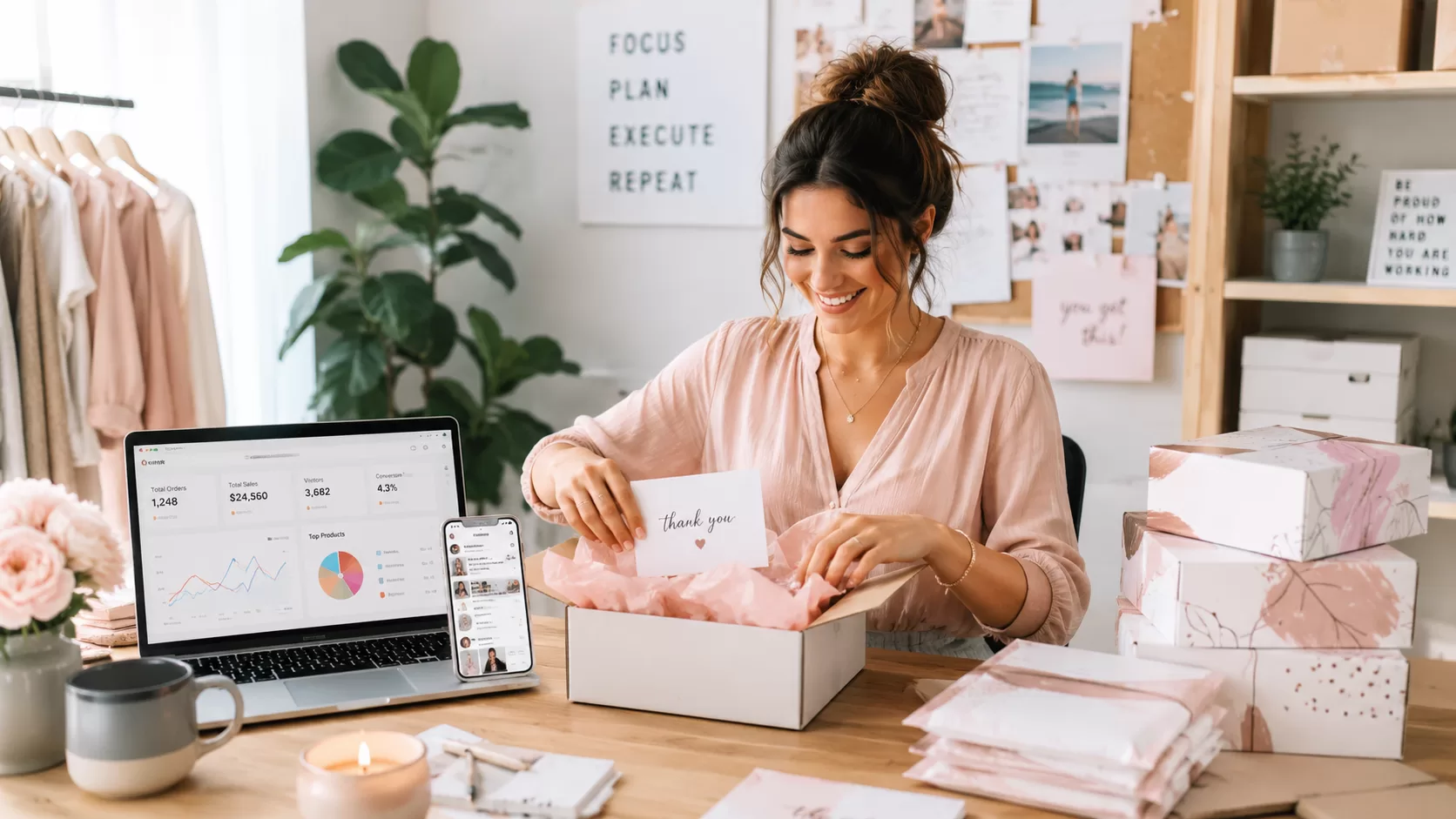
For independent businesses, thoughtful presentation can make an online order feel more personal. Attractive packaging, a small thank-you card, or careful presentation can turn an ordinary delivery into a memorable customer experience.
That experience can encourage customers to share their purchase on social media or recommend the store to friends.
Build an Online Store People Want to Return To
Attracting millennial women to an online store is not about finding one clever marketing technique.
It is about creating a complete experience.
Customers need to discover your products, understand what makes them interesting, trust your business, navigate your website easily, pay using a method they recognize, and receive their order without unnecessary complications.
Independent retailers also have an advantage that larger marketplaces sometimes struggle to reproduce: personality.
A distinctive product selection, authentic story, strong visual identity, responsive customer service, and genuine connection with customers can make a relatively small ecommerce brand memorable.
Focus on making every stage of the shopping journey easier and more enjoyable, from discovering the product to opening the package at home.
When customers enjoy the experience as much as the product itself, they are far more likely to return.