Moorish Revival Interior Design: Key Features and Modern Ideas

A graceful arch, a patterned tile panel, or a ceiling that seems to unfold like lace: Moorish Revival interiors are full of details that reward a closer look. The style draws on the architecture and decorative arts of Islamic Spain and the wider Islamic world, reinterpreted by European designers from the 19th century onward.
The Alhambra in Granada became a particularly important source of inspiration. As travelers and scholars brought its forms to wider attention, the palace’s patterns and ornament helped shape an international “Alhambresque” style. Designer Owen Jones was one of the figures who spread interest in these designs through his studies and publications.
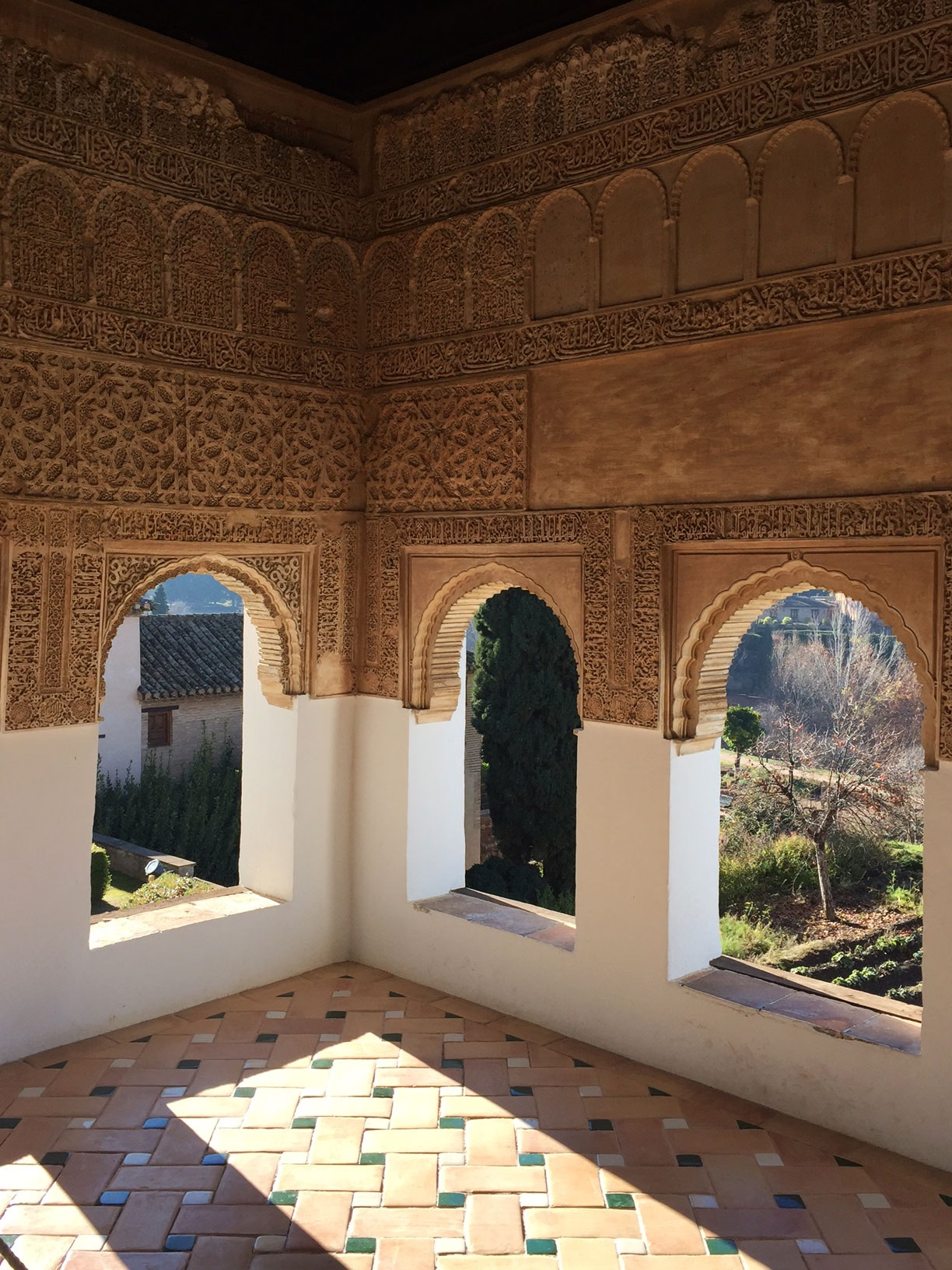
“Moorish Revival” is a broad label, so it helps to be precise when discussing particular sources. For example, the Alhambra’s 13th- to 15th-century decoration is Nasrid; other places and periods have their own Andalusi and Mudéjar traditions. These terms describe distinct histories, even when later designers drew inspiration from them.
The defining features of Moorish Revival design
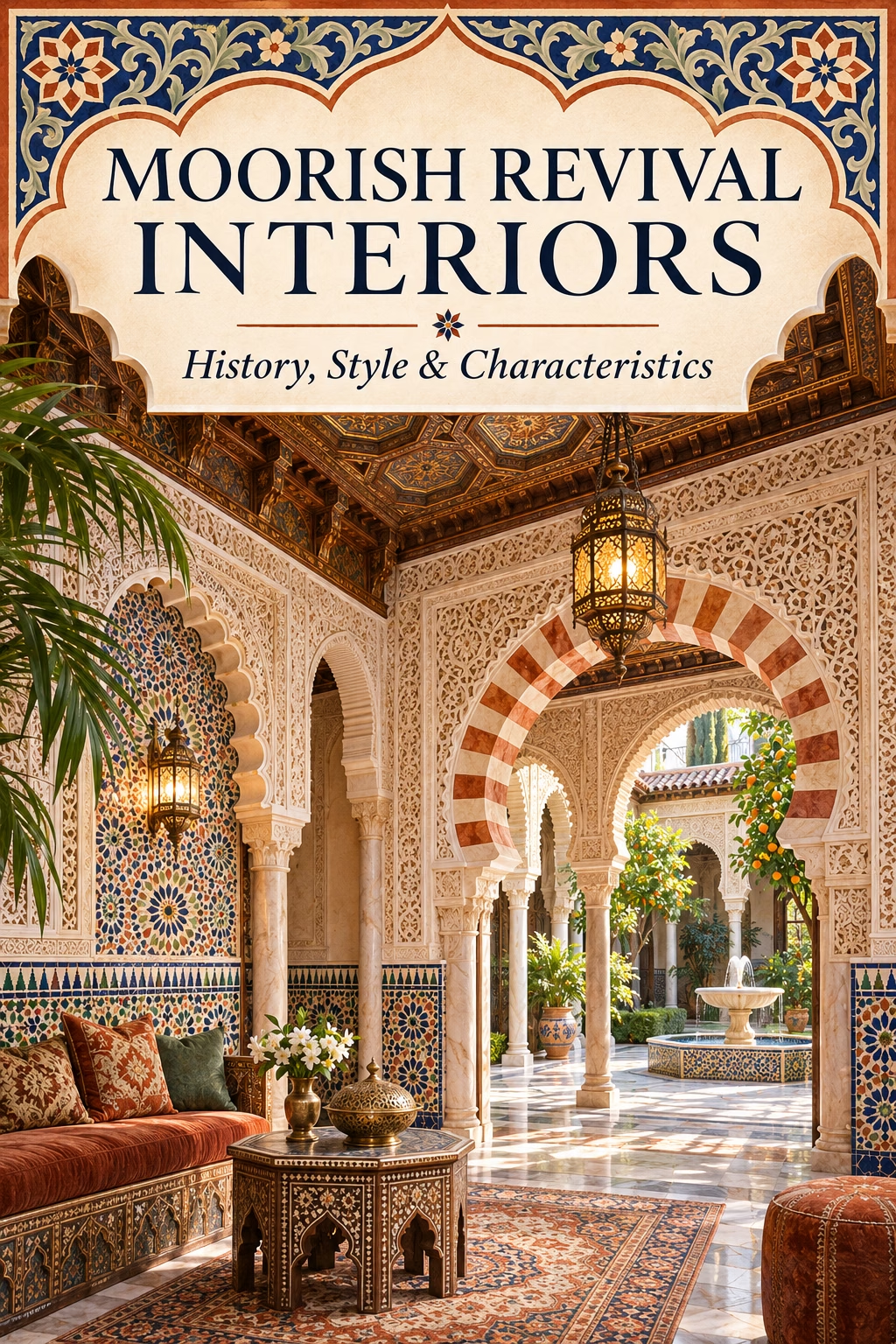
Arches and slender columns
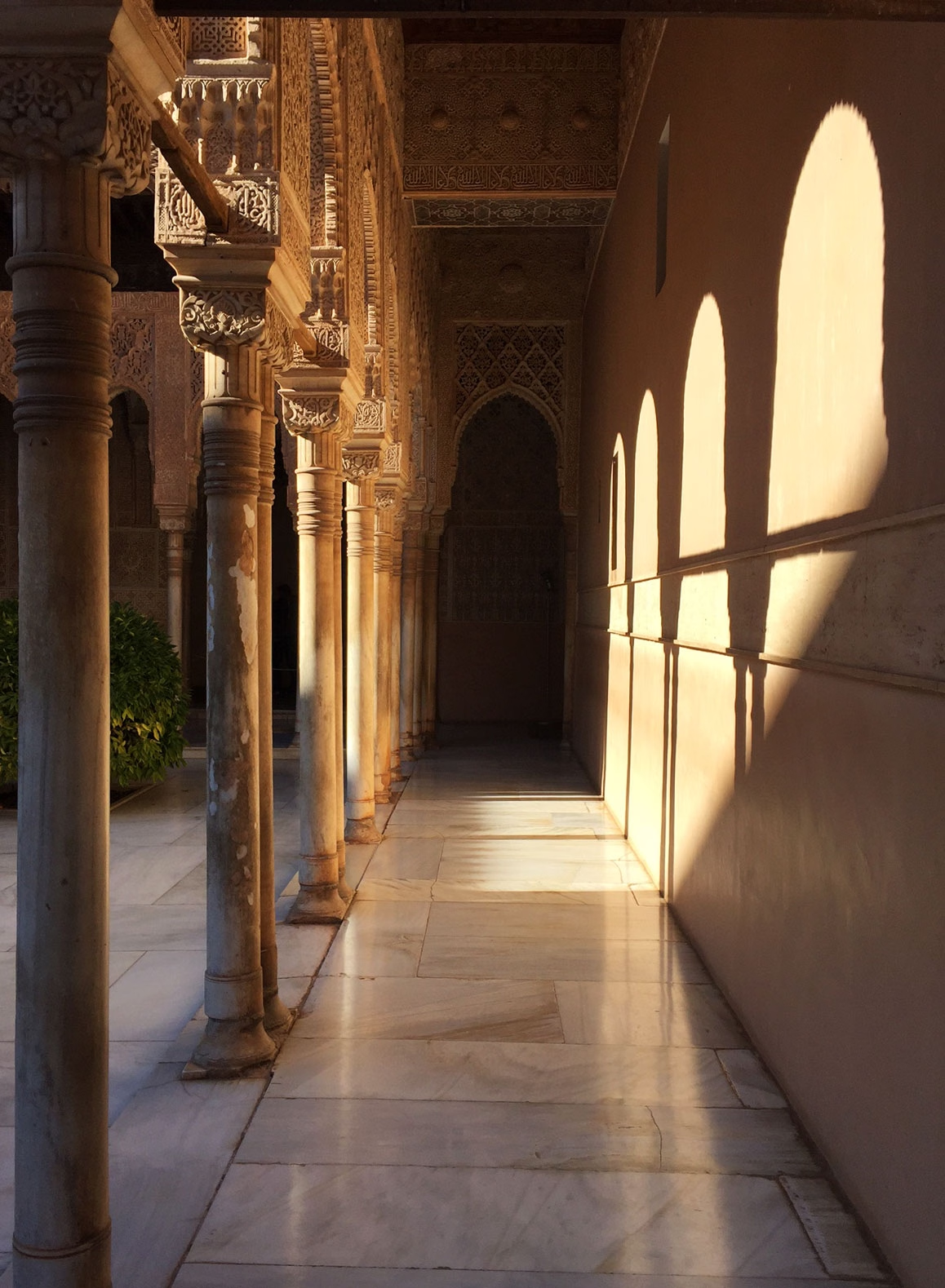
Horseshoe arches are among the most recognizable forms associated with Moorish and Moorish Revival design. They may frame a doorway, window, niche or courtyard passage, often supported by slender columns. In a contemporary home, an arch can provide a focal point without requiring the whole room to follow a period style.
Geometric tilework
Geometric patterns create rhythm through repeated shapes and interlacing lines. At the Alhambra, colorful tilework appears alongside carved plaster, inscriptions and other forms of ornament. Some panels were made from small, individually shaped pieces fitted together in intricate compositions.
Carved plaster and muqarnas
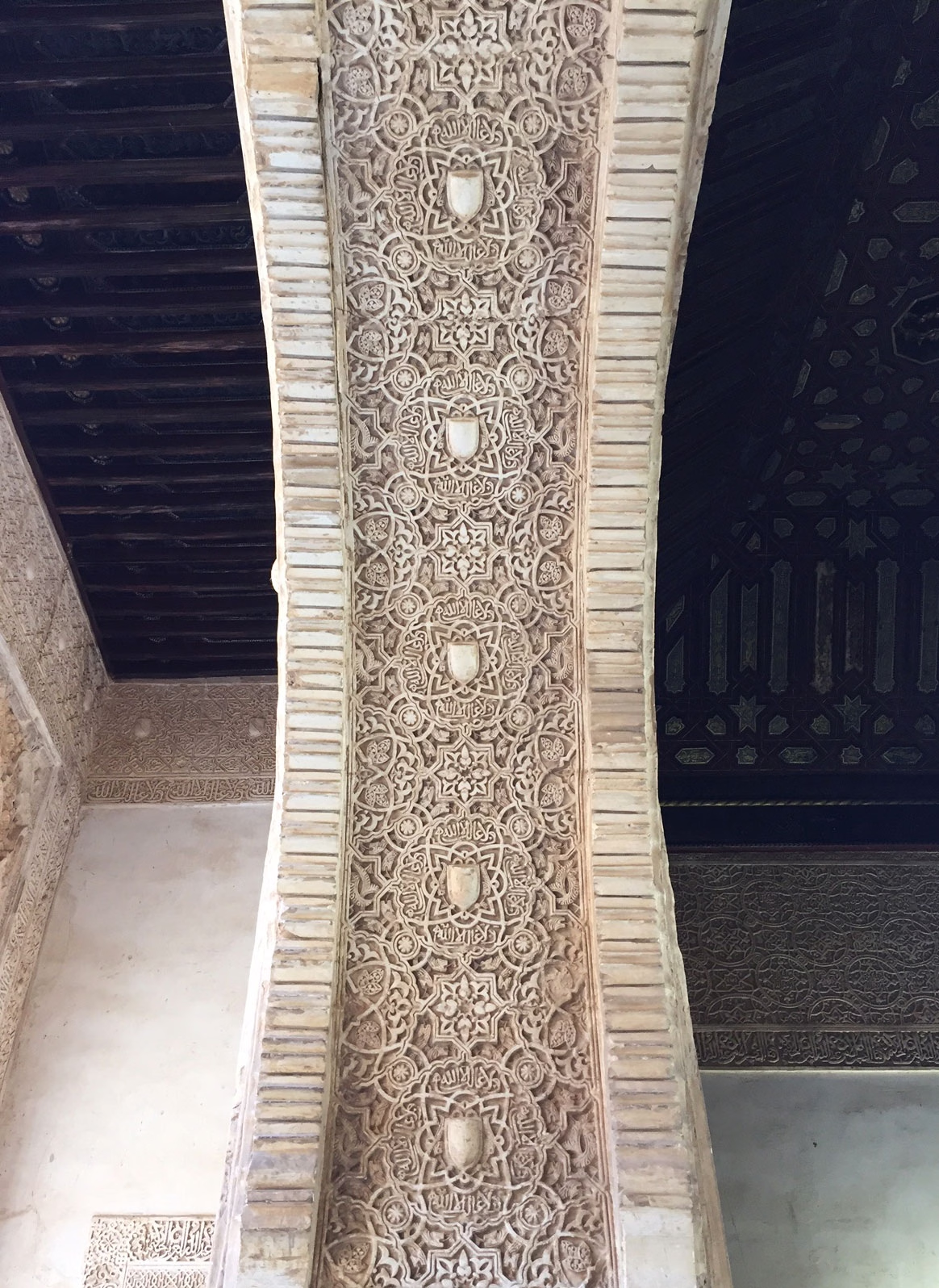
Carved plasterwork can form intricate, lace-like patterns across walls and arches. The Alhambra’s decoration also includes muqarnas: tiered, honeycomb-like forms that create a sculptural transition between a wall and a dome or ceiling. These details give a room depth and changing patterns of light and shadow.
Rich color and layered materials
Moorish Revival interiors can combine patterned tile, plaster, wood, stone and metal. Historical decorative schemes were not limited to one palette: Alhambra plasterwork used pigments including blue, red, black and green, as well as gold.
Courtyards, gardens and water are also part of the broader architectural language. A fountain or water channel can make an interior feel connected to an outdoor space, though it is not necessary to include one to use the style’s decorative vocabulary.
How to bring Moorish Revival details into a modern home
The most effective approach is selective. Rather than recreating a historic room, choose one or two details and let them sit alongside contemporary furniture and simpler surfaces.
Start with one architectural feature. An arched mirror, a curved doorway or a shallow niche can introduce the shape without overwhelming the room. If you are renovating, an arch can be built into a doorway or shelving; if not, a mirror or decorative screen offers a simpler way to bring it in.
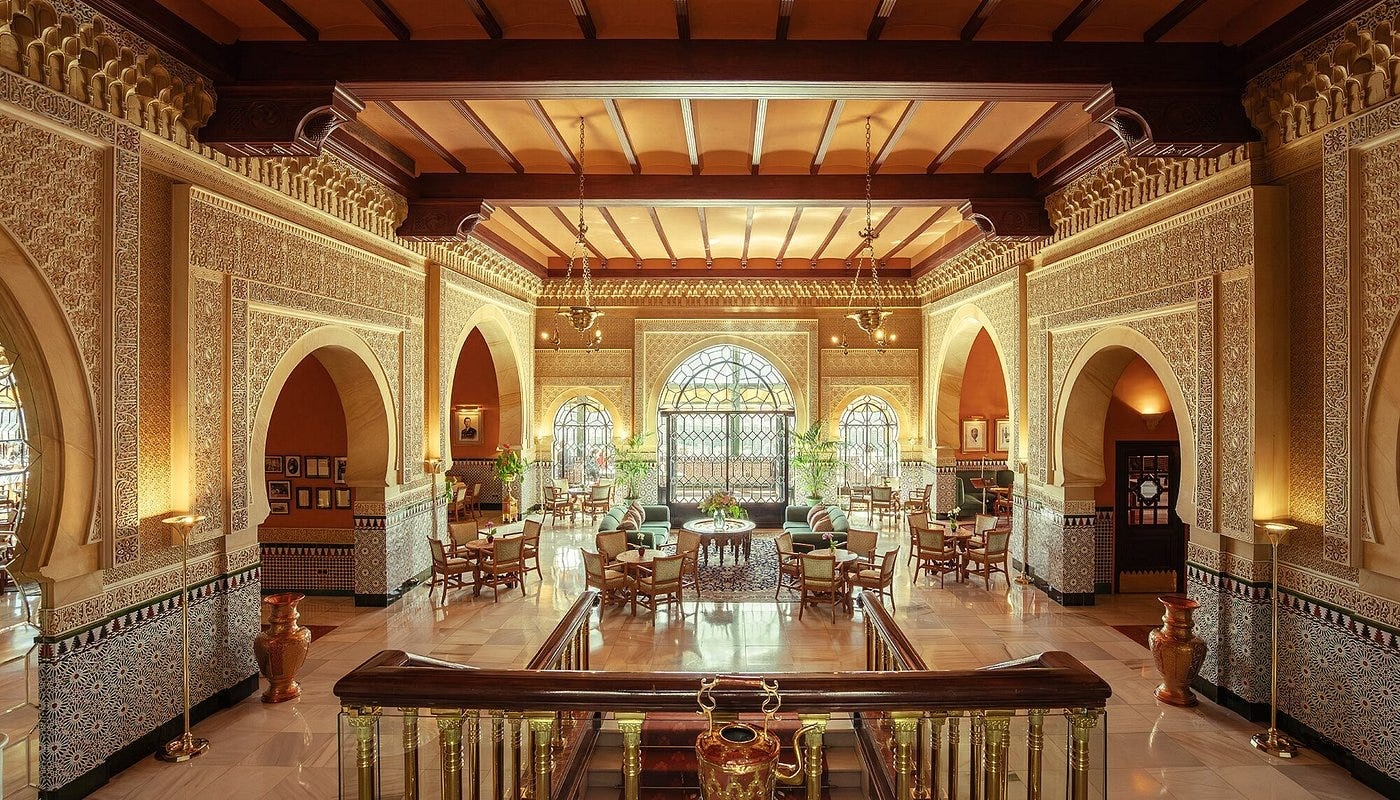
Use pattern as an accent. A small area of patterned tile can add character to a backsplash, fireplace surround or entryway. Pair it with calmer walls and uncomplicated cabinetry so the pattern has room to stand out.
Add texture through plaster, wood or metal. A carved screen, a plaster relief panel, a pierced-metal lantern or a carved wooden detail can bring in the handcrafted quality of the style. One textured feature often has more impact than several competing ones.
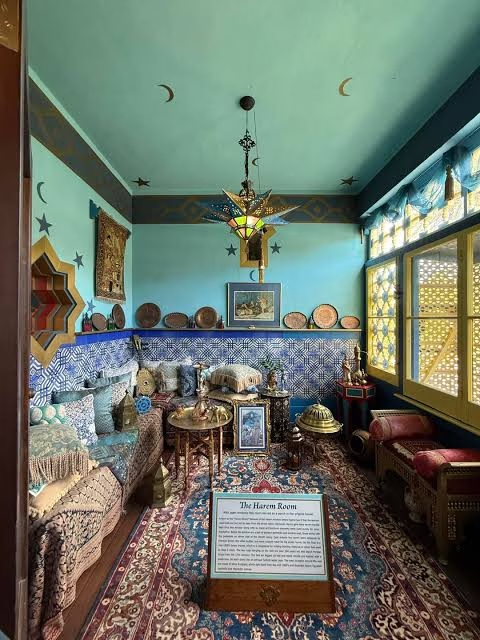
Keep the palette considered. Warm white, sand or stone can form a quiet base, with color introduced through tile, textiles or artwork. Deep blue, green, terracotta and touches of gold can echo historical palettes while keeping the overall room contemporary.
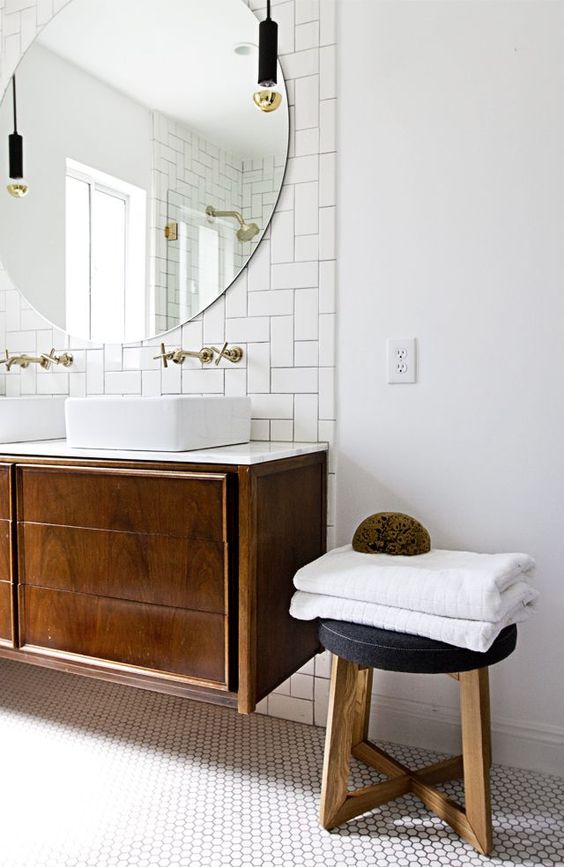
Balance ornament with modern shapes. Pair patterned surfaces with clean-lined sofas, simple tables and natural materials. This lets the decorative details feel intentional rather than making the room look like a historical set.
A style built on detail
Moorish Revival design brings together pattern, craftsmanship and architecture. Its influence can be felt in the curve of an arch, the geometry of a tile panel or the detail of a carved surface. In a modern home, a few carefully chosen elements can make that history present while leaving the room distinctly contemporary.