
Smart Entryway Solutions for Protective Family Pets

A well-planned entryway helps protective family pets stay composed when visitors arrive. Doorbells, unfamiliar voices and fast movement can trigger barking, rushing or blocking behavior, especially in dogs that feel responsible for monitoring the home.
Thoughtful interior design can reduce that pressure without making your foyer look clinical. The most effective setup combines physical boundaries, predictable routines and a comfortable place where your dog can settle while the household welcomes guests.
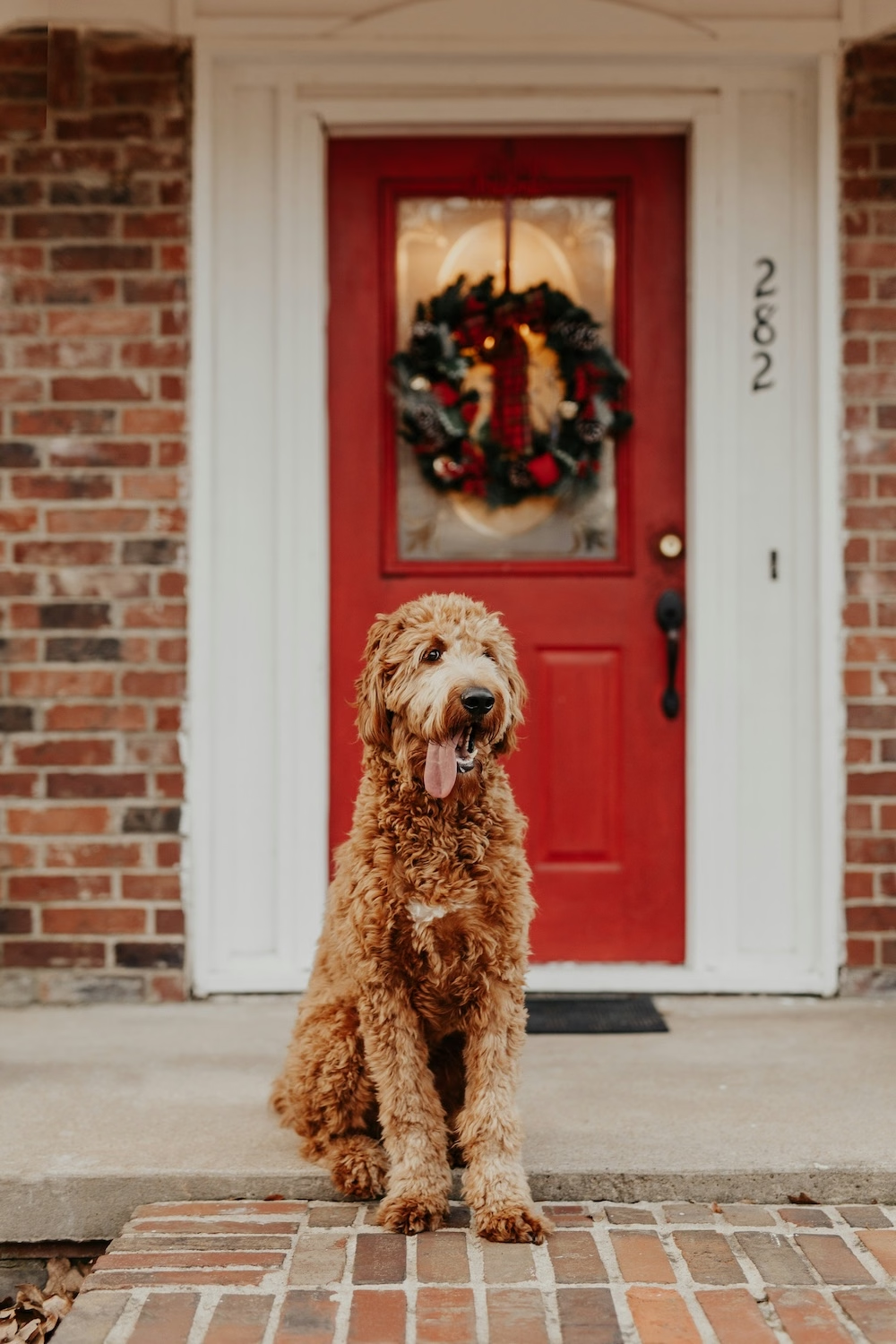
The Foyer as a Stress Hotspot
Entryways concentrate several triggers in a small area. A delivery arrives, the bell rings, the door opens, and a stranger appears within seconds. Slippery flooring, narrow walkways and excited family members can add to a dog’s arousal.
Start by observing where your pet stands and what happens just before barking or rushing begins. Then create distance between that spot and the front door. A runner with a non-slip backing can provide secure footing, while an opaque window film may reduce reactions to movement outside. Keep leashes, packages and shoes stored away so nobody trips during a busy arrival. These simple changes make the foyer calmer and easier to manage.
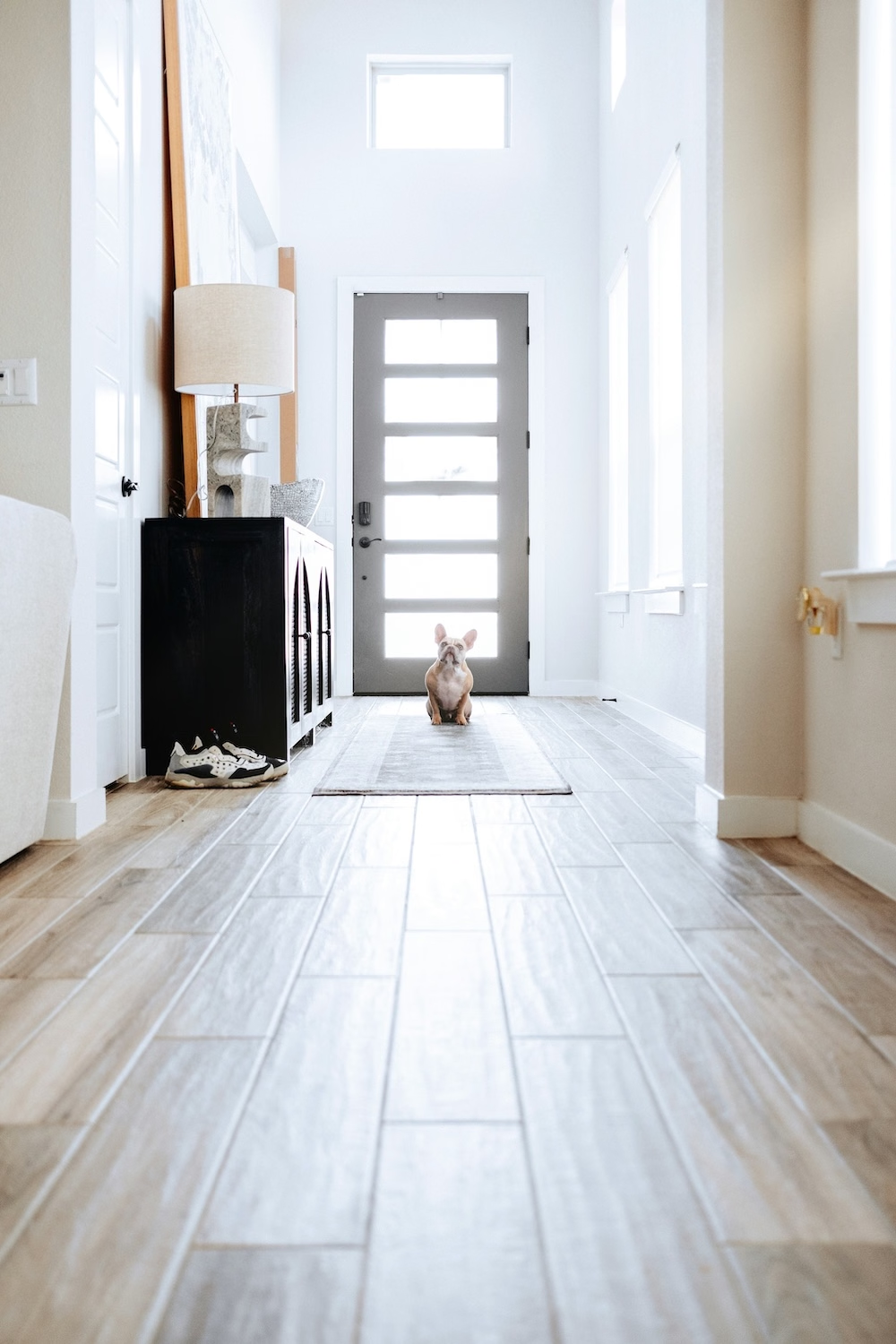
Aesthetic Gates That Add Structure
An indoor gate creates a clear waiting zone without requiring you to close your pet in another room. Select a model that suits the dog’s size, physical ability and behavior. A lightweight retractable mesh barrier may suit smaller pets that respect boundaries, but it may not be appropriate for a large dog that pushes or jumps.
For a more permanent installation, consider an indoor pet gate that retracts when guests have settled. Position the barrier several feet from the door if your layout allows. Secure it according to the manufacturer’s instructions and avoid placing furniture nearby that could become a launching point. Choose a finish that coordinates with nearby trim, cabinetry or hardware so the gate feels integrated into the room.
De-escalating High-Arousal Greetings
Give your dog a simple task before opening the door. A mat placed behind the gate creates a visible destination, and small food rewards can reinforce staying there. Practice first with a family member who steps outside and knocks softly. Once your pet can remain settled, gradually introduce the doorbell, longer openings and familiar visitors.
Real-life arrivals may still be difficult. Ask guests to avoid direct eye contact, reaching over the barrier or speaking excitedly to the dog. If you see stiff posture, fixed staring, growling or repeated attempts to charge forward, stop the greeting and increase distance. Owners facing these patterns can consult clinical guidance on how to manage aggression in German Shepherds and seek qualified professional support for an individual assessment.
Long-Term Comfort for Guardian Breeds
Protective dogs need a resting area that feels safe while still allowing them to hear normal household activity. Place a supportive bed beyond the main path between the door and living spaces. Water should remain accessible, while favorite chews or food-filled toys can help the dog settle during longer visits.
Keep the arrival routine consistent across the household. One person can greet visitors while another guides the dog to its mat, closes the gate, and rewards calm behavior. Children should never manage the barrier or approach a dog showing tension. Also schedule a veterinary check if behavior changes suddenly, since pain, reduced vision and other medical issues can lower a pet’s tolerance. Regular exercise and quiet recovery time support progress, but they don’t replace behavior care when reactions are intense.
A successful entryway gives every arrival a clear sequence: your dog moves to a familiar resting spot, the barrier stays secure, and guests enter without crowding. Once that pattern becomes routine, the foyer can remain welcoming in both appearance and function.