
Simple Daily Habits That Elevate Long-Term Vitality

Long-term vitality grows from ordinary actions repeated often enough to become automatic. Regular meals, daily movement, preventive appointments and a steady bedtime all support health without requiring a major lifestyle overhaul. The most useful habits also fit real schedules, including busy mornings and unpredictable workdays. Start with routines you can maintain, then adjust them as your needs change.
Rethinking Routine Self-Care
Self-care works best when it covers basic physical needs before occasional treats. A workable routine might include drinking water after waking, taking a 10-minute walk at lunch and preparing for bed at the same time each night. These actions give the day structure and reduce the number of health decisions you have to make on the spot.
Research on the health benefits of routines highlights how consistent schedules can support sleep, stress management and healthier choices. If your current schedule feels scattered, attach one action to something you already do. Stretch while coffee brews or refill your water bottle after lunch.
Small Choices with Compounding Benefits
Small habits become valuable through frequency. Ten minutes of brisk walking each day adds up to more than an hour per week, while adding one serving of vegetables to dinner creates hundreds of better meal choices over a year.
Choose actions that are easy to track. Keep a reusable bottle at your desk, take stairs when they’re practical and stand during one phone call each afternoon. A visible cue can help too. Place walking shoes near the door or leave fruit at the front of the refrigerator. This practical guide to healthy habits offers more ideas for turning realistic actions into an everyday rhythm.
Preventative Care as a Lifestyle Anchor
Preventive appointments create useful checkpoints before minor concerns become harder to address. Keep medical, vision and dental visits on one calendar, then set reminders several weeks ahead so scheduling doesn’t become a last-minute task. Bring a short list of symptoms, medications and questions to each visit.
Oral care deserves a firm place in that schedule because teeth and gums benefit from both daily hygiene and professional monitoring. Brush twice a day with fluoride toothpaste, clean between your teeth and arrange routine visits with a dentist based on your individual needs. Seek care sooner for persistent pain, swelling, bleeding or a damaged tooth instead of waiting for the next scheduled appointment.
Nourishing Habits for Hectic Days
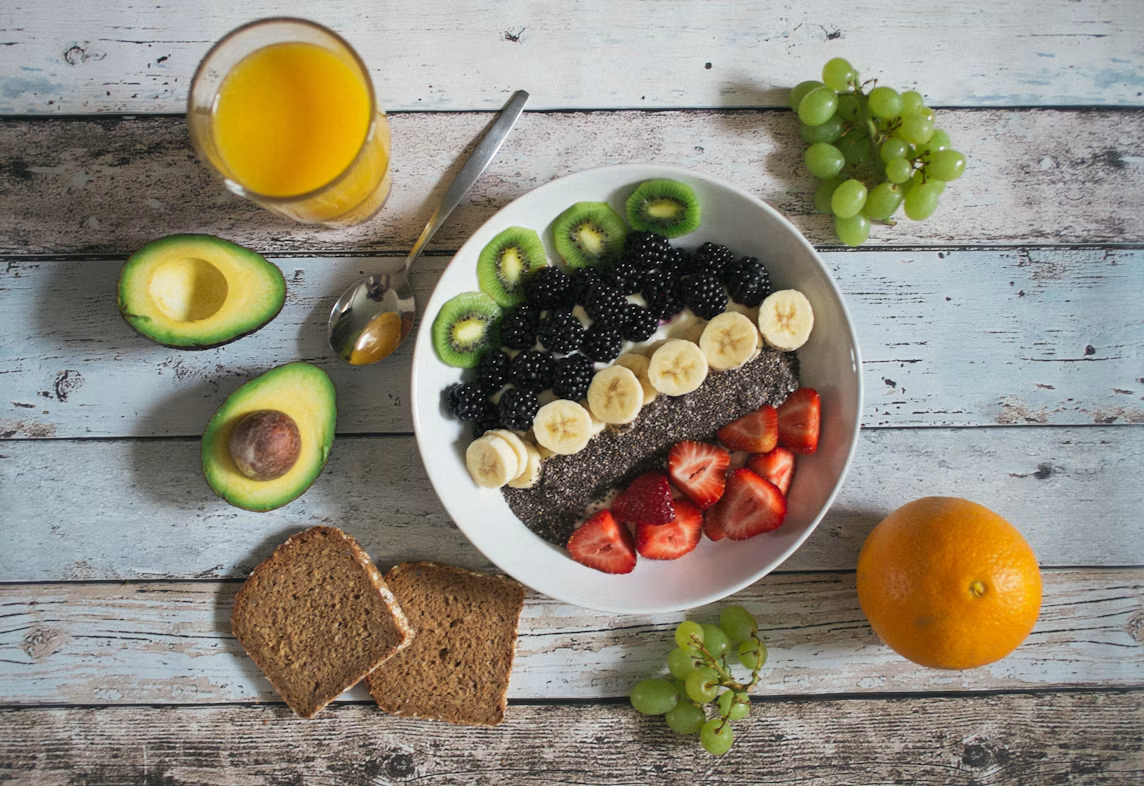
Busy days often push meals and movement aside, so prepare a few dependable options before the week fills up. Keep yogurt, fruit, nuts and washed vegetables available for quick snacks. Batch-cook a grain or protein that can become several lunches with different vegetables and sauces.
The most helpful daily wellness habits cover several connected needs, including nutrition, activity and stress management. Use that broad view when planning your day. A lunch with protein and fiber can support steadier afternoon energy, while a short walk after eating adds movement without requiring a separate workout. On especially hectic mornings, pack food the night before and put it beside your keys.
Evening Practices for Restorative Sleep
A predictable evening routine tells your body that active hours are ending. Pick a bedtime that allows enough sleep, then work backward by 30 to 60 minutes. During that period, lower the lights, finish demanding tasks and switch to a quiet activity such as reading or gentle stretching.
Keep the bedroom cool, dark and quiet. Put your phone beyond arm’s reach if late scrolling regularly delays sleep, and avoid checking work messages after getting into bed. If thoughts about tomorrow keep circulating, write down the top three tasks for the morning. Persistent insomnia, loud snoring or daytime exhaustion deserves a conversation with a qualified health professional.
Vitality is easier to protect when healthy actions have a fixed place in the day. A filled water bottle on the desk, an appointment saved in the calendar, and a set time for dimming the lights turn good intentions into visible routines. Those cues make consistency feel less demanding and help useful habits survive even when the week gets crowded.