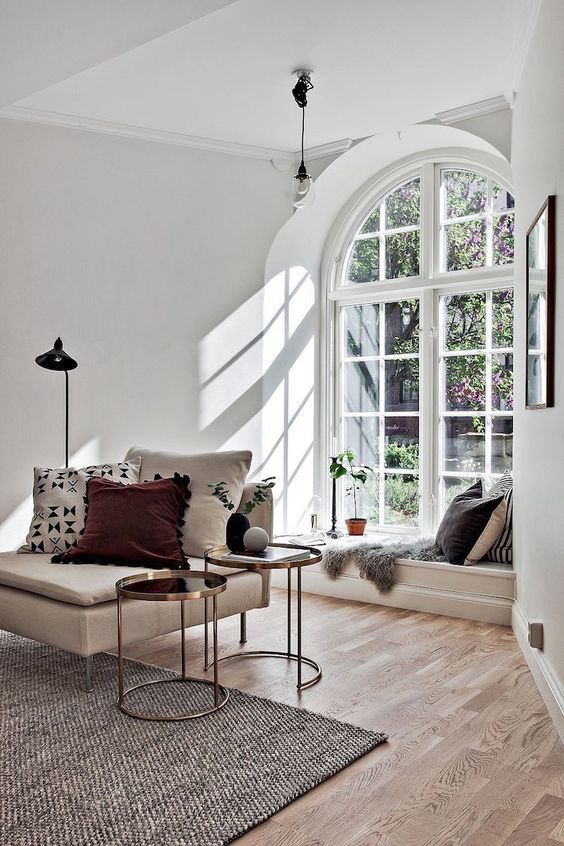
The Guide to Designing a Bedroom Built for Deep Sleep

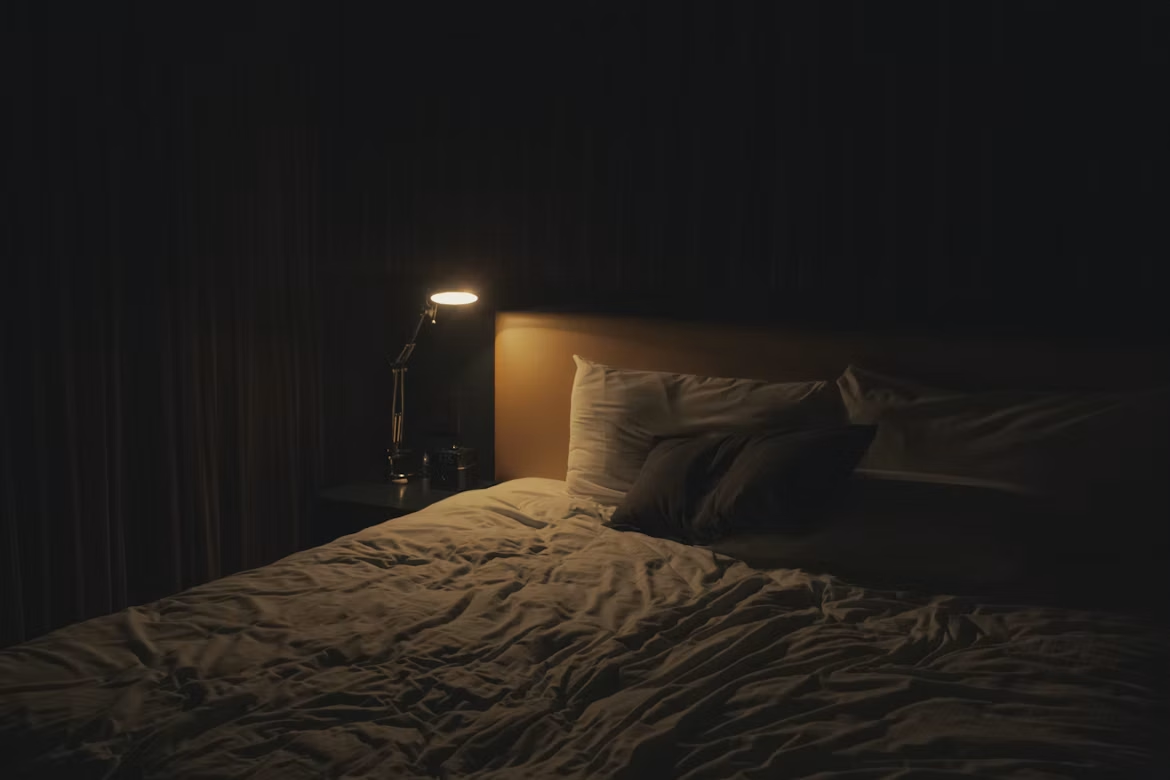
Image Credit: Unsplash
A sleep-friendly bedroom controls light from sunset through sunrise. Window coverings, wall colors and bedside lamps all affect how easily you settle down and how naturally you wake.
The best results come from treating these features as parts of one simple lighting plan, with darkness at night and bright natural light in the morning.
Why Circadian Rhythms Need Total Darkness
Your circadian rhythm uses light and darkness to help time sleep, waking and hormone release. Bright light at night can delay the body’s evening signals, while a dark room supports a more consistent sleep schedule. Guidance on sleeping in complete darkness explains why even modest sources of light may disturb rest.
Test your bedroom after dark with the main lights off. Look for streetlight around the window edges, glowing chargers, illuminated alarm clocks and hallway light beneath the door. Cover or switch off small electronics and use a door draft stopper if light enters from outside the room. If you need a night-light for safe movement, place a low, warm-colored one near the floor.
Selecting Effective Light-Blocking Layers
Start at the window because this is usually the largest source of unwanted nighttime light. Custom-fitted blinds can reduce gaps that often occur with standard-size coverings, especially on wide windows or frames with unusual dimensions. Check how the material, mounting position, and side clearance affect coverage before choosing a design.
Layering gives you more control. A closely fitted shade can handle most incoming light, while lined curtains cover the edges and soften the room’s appearance. Extend the curtain rod beyond both sides of the frame and mount it above the window to limit light leaks. In warmer climates, also consider how the covering manages daytime heat. A bedroom that stays cooler during the afternoon will generally feel more comfortable when bedtime arrives.
Calming Palettes for Evening Rest
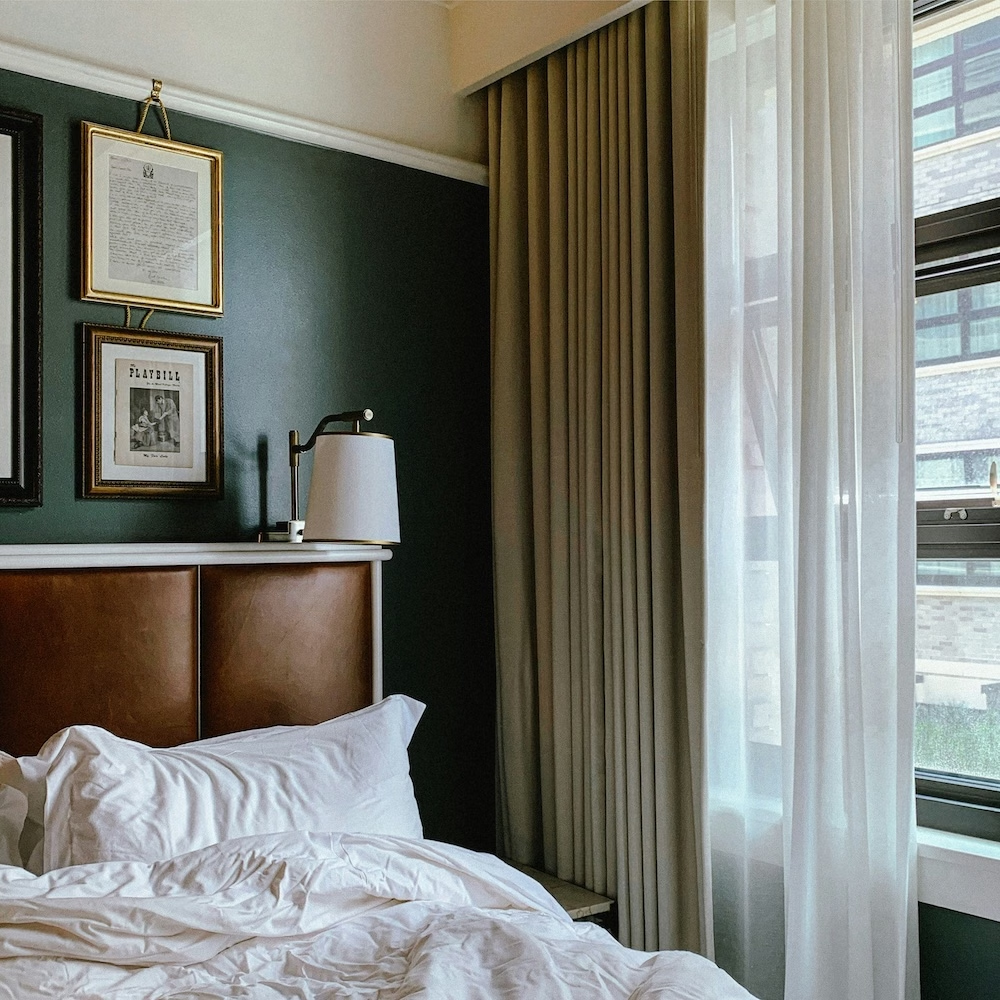
Choose colors that stay visually quiet under low evening light. Muted blue, dusty green, warm gray and soft beige work well because they don’t create strong contrast across large surfaces. Darker shades can make a room feel sheltered, but they aren’t required for good sleep. Window coverage and artificial lighting have a much greater effect on actual nighttime darkness.
Keep highly saturated colors to small details such as cushions, artwork or a throw. Matte paint is useful on bedroom walls because it reflects less glare than a glossy finish. Before committing, paint a sample board and view it in morning sun, afternoon shade and lamplight. A gray that looks balanced at noon may appear cold under a cool-white bulb, while a warm neutral may turn yellow beside an amber lamp.
Evening Lighting That Signals Bedtime
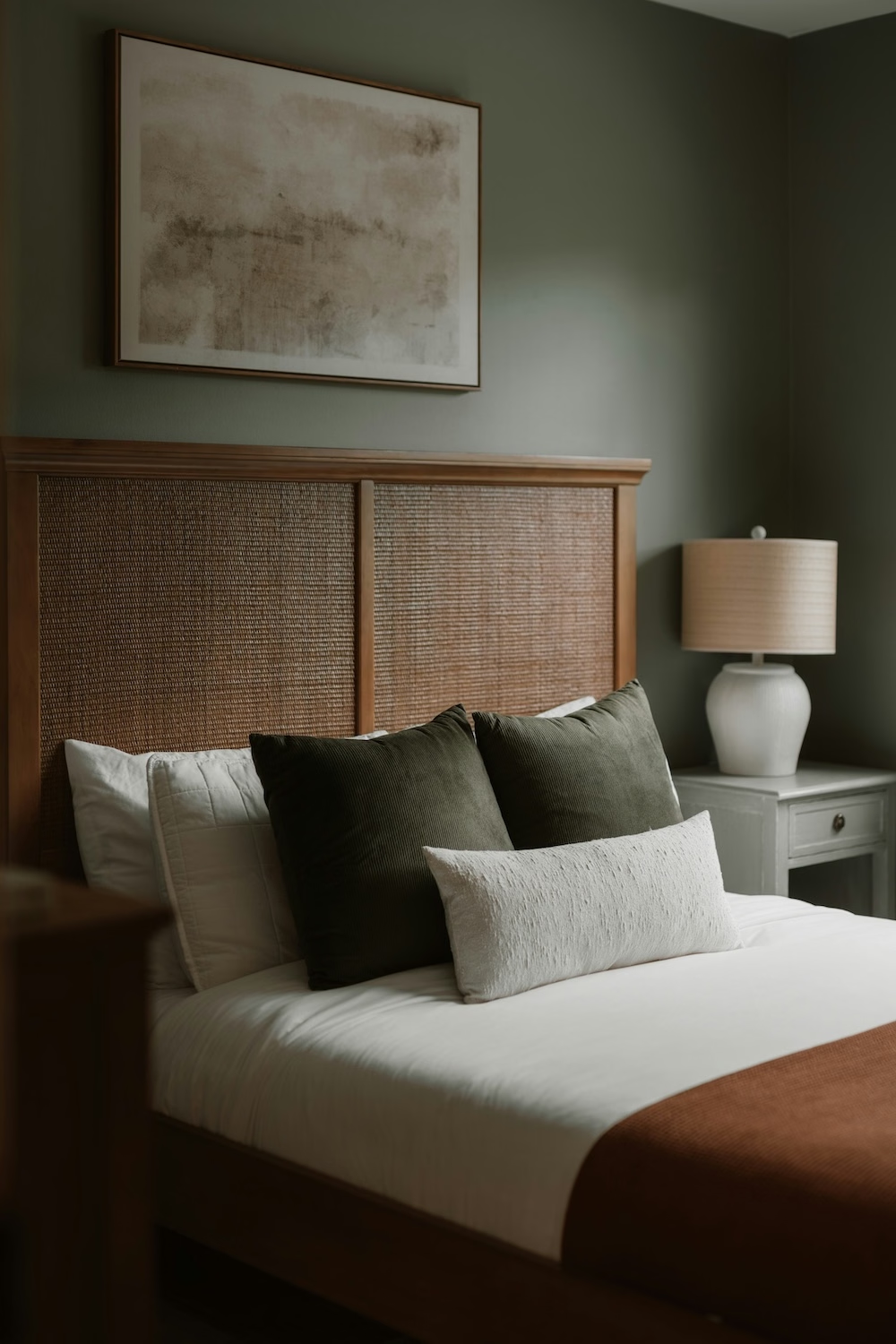
Create several low-level light sources instead of relying on one bright ceiling fixture. Bedside lamps, shaded wall lights and concealed lighting near a dresser provide enough illumination for reading or getting ready without flooding the room. The bedroom environment guide also identifies factors such as light, temperature and noise that can shape sleep quality.
Choose warm bulbs for evening use, ideally around 2700K or lower, and place them below eye level where possible. Dimmers help you reduce brightness during the final hour before bed. Install switches within easy reach so you don’t need to cross a dark room after turning off the last lamp. For practical help with placement and brightness, these room lighting considerations explain how to plan illumination around a room’s activities and layout.
Morning Sunlight and Natural Waking
Nighttime darkness should give way to strong morning light. Open the curtains or raise the shade soon after waking, then spend a few minutes near the brightest window. If your schedule allows, going outside provides a much stronger light signal, even on an overcast morning. This daily contrast helps your body distinguish active hours from sleep hours.
Consider how the bedroom faces when planning window treatments. East-facing rooms receive early sun and may suit coverings that are easy to open from bed. West-facing bedrooms often stay dim in the morning, so you may need to seek natural light elsewhere in the home. If you must wake before sunrise, a gradual light alarm can brighten the room over 20 to 30 minutes and create a gentler transition.
A well-designed bedroom should be darkest when you’re asleep and easy to brighten when the day begins. Check the room once tonight after every lamp is off. That brief inspection will reveal the glowing device, curtain gap or hallway light that deserves attention first.