Design a Kitchen That Supports Everyday Calm

A calm kitchen makes everyday tasks easier by reducing visual noise, awkward movement and last-minute searching. Its design should support the real rhythm of your household, from making coffee in the morning to cleaning up after dinner. Thoughtful storage, comfortable lighting and durable finishes can turn even a compact cooking area into a space that feels settled and easy to use.
The Psychology of Cooking Spaces
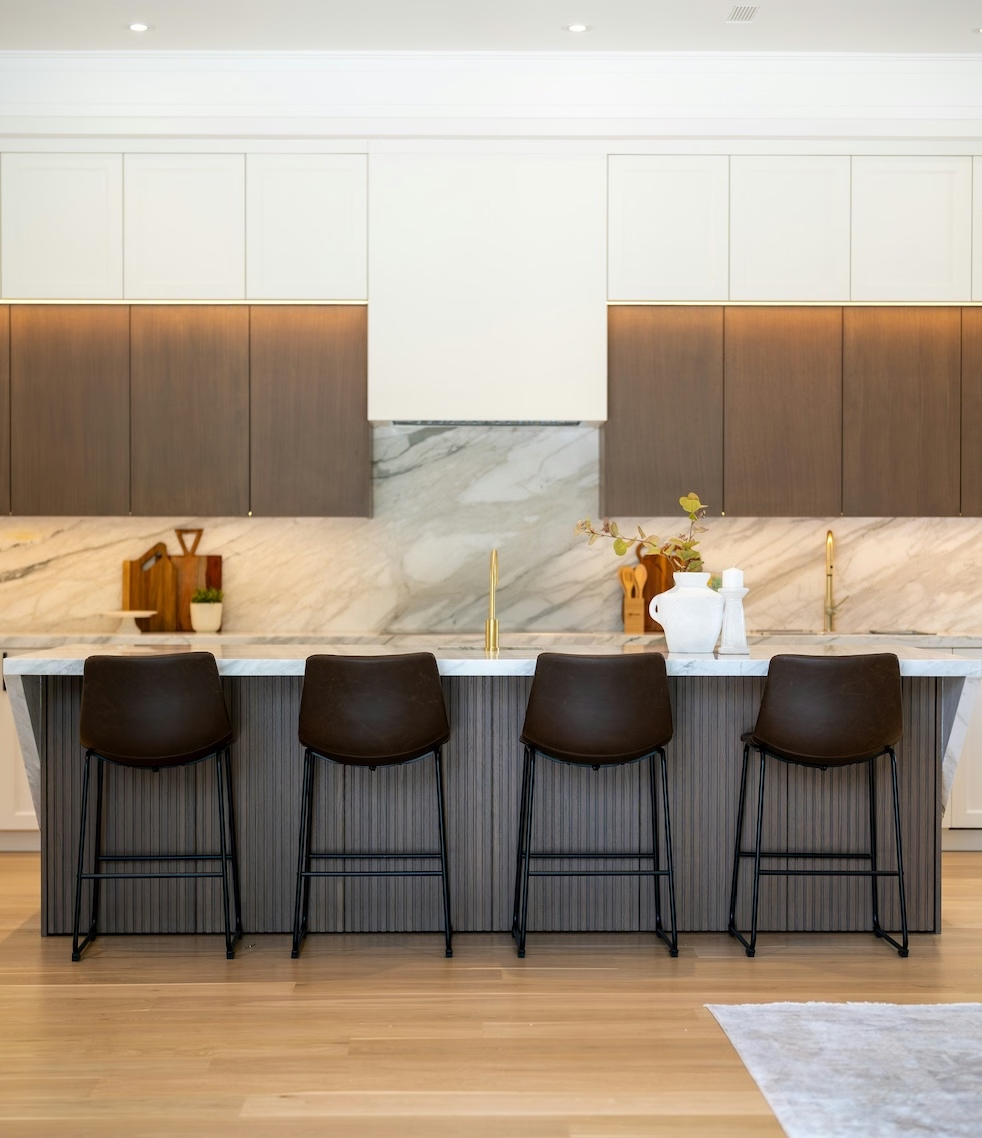
Color, clutter and layout affect how you experience a room before you begin cooking. Counters crowded with appliances can create a sense of unfinished work, while clear surfaces give your eyes somewhere to rest. These calm kitchen ideas show how simple changes, including concealed storage and a restrained palette, can soften the space.
Choose two or three main colors and repeat them across cabinetry, walls and accessories. If you’re unsure where to begin, this guide to home design psychology and color explains how color choices influence mood. Warm whites, muted greens and natural wood tones often feel comfortable without making the kitchen visually busy.
Streamlining Daily Meal Preparation
Organize the kitchen around tasks instead of storing similar items wherever they fit. Keep knives, cutting boards and mixing bowls close to the main preparation surface. Cooking oils and frequently used seasonings belong near the cooktop, while plates should sit within easy reach of the dishwasher or drying area.
Small layout changes can reduce repeated trips across the room. The sink, refrigerator and primary cooking area should have clear paths between them, though they don’t need to form a perfect triangle. These calmer kitchen layout tips offer practical ways to improve movement. Before reorganizing, make one typical meal and note every unnecessary step, reach or search.
Planning a Wellness-Led Kitchen Renovation
Start planning around the frustrations you experience each week. Poorly placed drawers, limited preparation space and hard-to-clean corners deserve more attention than passing style trends. For Perth homeowners considering a full kitchen renovation, custom design and cabinetry can address those specific issues while accounting for the room’s dimensions.
Measure how much counter space you currently use and identify where clutter collects. Allow a landing area beside the refrigerator and oven so hot dishes and grocery bags have a safe destination. Deep drawers can make cookware easier to reach, while pull-out pantry storage prevents food from disappearing at the back of a cabinet. Plan electrical outlets around your actual appliances and daily routines.
Lighting for Mood and Task Performance
Use layers of light so the kitchen can shift between focused preparation and quieter evening use. Ceiling fixtures provide general illumination, but they can leave shadows under wall cabinets. Under-cabinet lighting brightens chopping and measuring areas without filling the whole room with harsh light.
Choose bulbs with a high color rendering index, ideally 90 or above, so ingredients and finishes appear accurate. A color temperature near 3000K creates a warm, comfortable effect, while slightly cooler task lighting may suit detailed food preparation. Put decorative pendants and work lights on separate switches. Dimmers also let you lower the overall brightness after dinner, especially in an open-plan room shared with a dining or living area.
Sustainable Material Choices
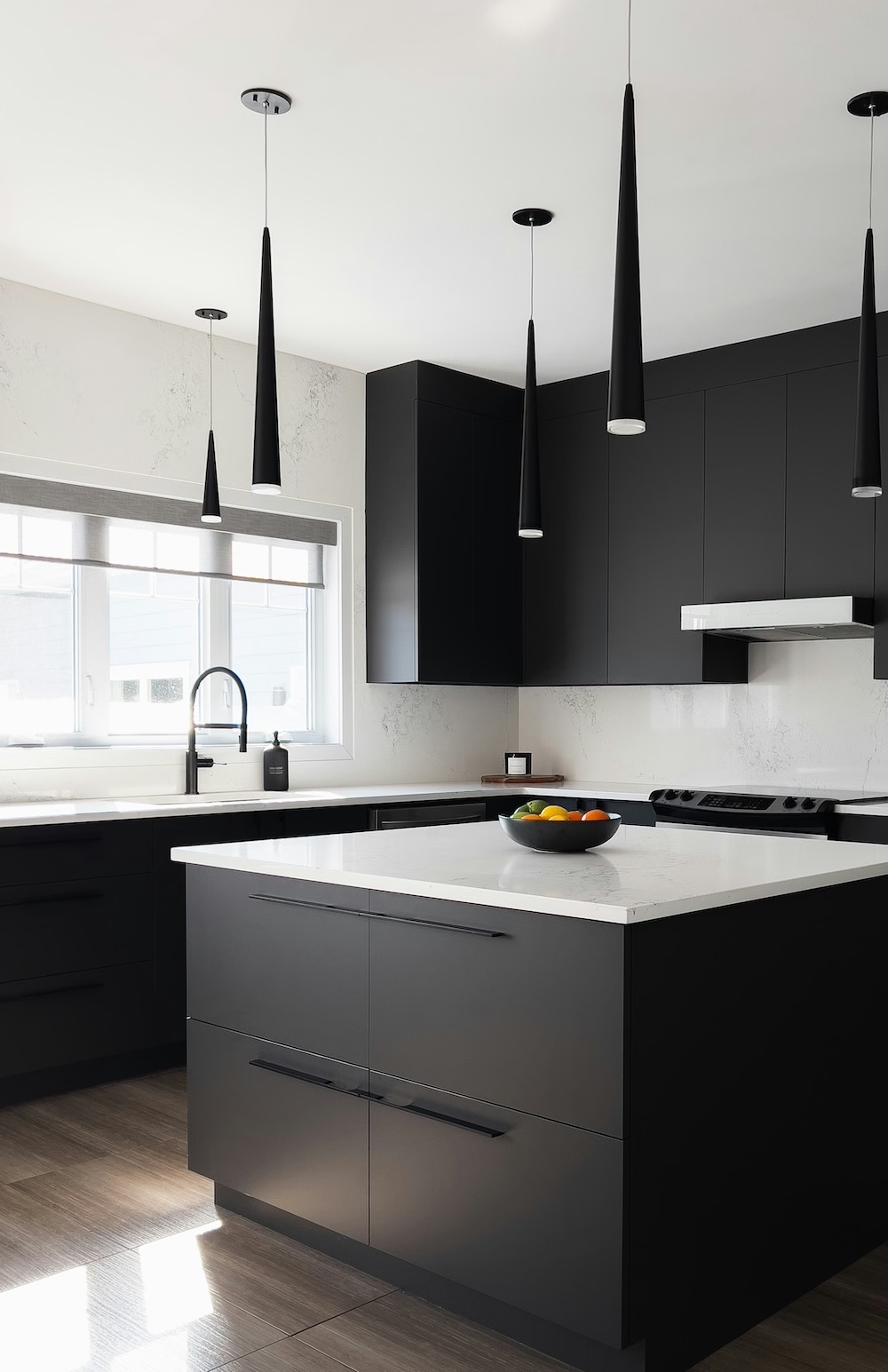
Select materials that can handle years of cleaning, heat and daily contact. Long-lasting cabinetry, replaceable hardware and repairable surfaces reduce the likelihood of another major update in a few years. Ask suppliers about recycled content, low-emission finishes and responsibly sourced timber, then request documentation for any environmental claims.
Maintenance matters too. A textured surface may disguise fingerprints, yet deep grooves can trap crumbs and grease. Large tiles or continuous flooring reduce grout lines, while durable counter materials simplify daily wiping. Keep a few spare tiles, cabinet handles and finish samples after installation so minor damage can be repaired accurately later. A calm kitchen should age gracefully, with surfaces that remain practical as household routines change.
The most useful test comes from an ordinary weekday meal. If ingredients are easy to reach, preparation surfaces stay clear and cleanup follows a logical path, the room is doing its job. That quiet efficiency will matter long after a fashionable finish has lost its novelty.