Transforming an Outdated House Instead of Moving

Image Credit: Unsplash
An outdated house can still meet your needs when its location, structure and overall character remain appealing. Remodeling gives you the chance to fix daily frustrations without giving up familiar neighbors, established routines or a yard you’ve spent years improving. Before calling a real estate agent, identify what feels dated and which changes would have the greatest impact. A focused renovation plan can turn an awkward property into a comfortable home while keeping its best qualities intact.
Comparing Renovation Costs Against Moving Fees
Start with two realistic budgets: one for staying and one for moving. The moving estimate should include agent fees, closing costs, inspections, movers, immediate repairs and any difference in monthly housing expenses. Guidance on renovating instead of moving also highlights the value of keeping a location and community that already suit your household.
For the renovation estimate, separate urgent work from cosmetic improvements. Get itemized quotes and reserve 10 to 20 percent for surprises behind walls or beneath floors. Larger exterior upgrades, including window and door replacement and installation, should be priced early because they can affect comfort, appearance and project sequencing. Compare the final totals over five to ten years, not only the initial checks you’ll write.
Rethinking Outdated Architectural Openings
Old openings often make a house feel darker and more divided than it needs to be. Narrow doorways can restrict movement while small windows may leave frequently used rooms dependent on artificial light. A contractor can assess which walls carry structural loads and explain where widening an opening is practical.
Changes don’t need to be dramatic. Expanding the passage between a kitchen and dining room by a few feet can improve conversation and traffic flow without creating one enormous room. Replacing a solid interior door with a glazed design may bring borrowed light into a hallway. For exterior openings, keep proportions consistent with the architecture so new elements look intentional. Check permits, structural requirements and lead times before demolition begins.
Reconfiguring Underutilized Living Areas
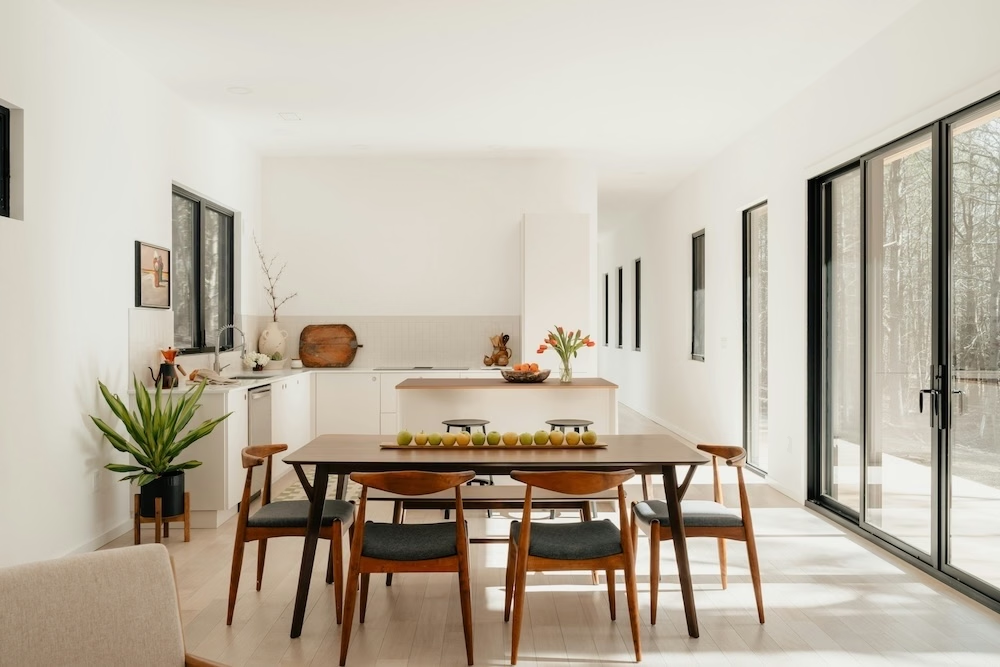
A formal dining room used twice a year or an oversized hallway may reveal that the floor plan no longer matches your routine. Track how each room functions over a typical week, then give low-use areas a clearer purpose. A dining room could become a flexible work and homework space with closed storage, while an alcove might hold a compact laundry station.
Before moving walls, test the idea with furniture, painter’s tape and temporary storage. Mark cabinet depths and walking paths on the floor to confirm that the plan feels comfortable. These home remodeling ideas can also help you identify upgrades that improve existing rooms without requiring a full addition. Aim for spaces that can adapt as work schedules and family needs change.
Boosting Everyday Energy Performance
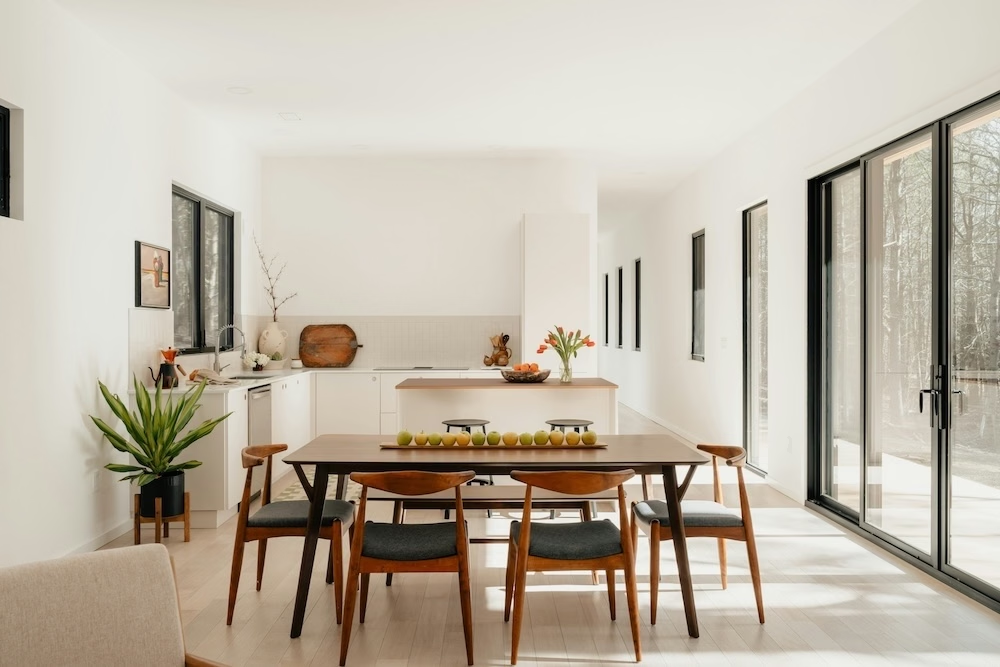
Energy improvements work best when you address the building as a connected system. Drafts, weak insulation and inefficient heating or cooling equipment can overlap, so replacing one item without checking the others may deliver limited results. A home energy assessment can reveal where conditioned air escapes and which projects deserve priority.
Begin with straightforward fixes such as sealing gaps around utility penetrations, adding weatherstripping and improving attic insulation where needed. Then review larger systems near the end of their service life. The choice between a move and remodel should also account for future operating costs, as this move or remodel guide explains. Record current utility use before construction and compare it with the same season afterward to see which upgrades produced measurable savings.
A successful renovation should solve the irritations you encounter every day, from a dim kitchen to a room with no clear purpose. Set priorities around those specific problems, confirm that the structure can support your plans and schedule disruptive work in a sensible order. The result can feel like a different house while preserving the location and details that made it worth keeping.