How to Align Sustainable Architecture with Daily Living

Image Credit: Unsplash
A sustainable home works best when its environmental features support ordinary routines, comfort and long-term costs. Good architecture can reduce temperature swings, improve natural light and limit the need for constant mechanical heating or cooling. Yet those gains depend on decisions made early in the design process. Room placement, window orientation, insulation and material choices all affect how a home feels each day. The following strategies can help you connect sustainable architecture with practical daily living.
Passive Solar Strategies That Work
Start by mapping how sunlight reaches the site during different seasons. Effective passive solar design strategies place frequently used rooms where they can benefit from daylight and controlled solar warmth. In the Northern Hemisphere, south-facing windows generally receive the most winter sun, while roof overhangs can block higher summer rays.
Thermal mass also matters. Concrete floors, masonry walls and similar dense surfaces absorb daytime heat before releasing it as temperatures fall. Pair these materials with operable windows so warm air can escape during mild weather.
Check how the design will affect real routines. Morning light may suit a kitchen, while softer afternoon exposure can make a home office more comfortable. For a deeper overview of orientation, airtightness and energy use, see this guide to passive building.
High-Performance Building Envelopes
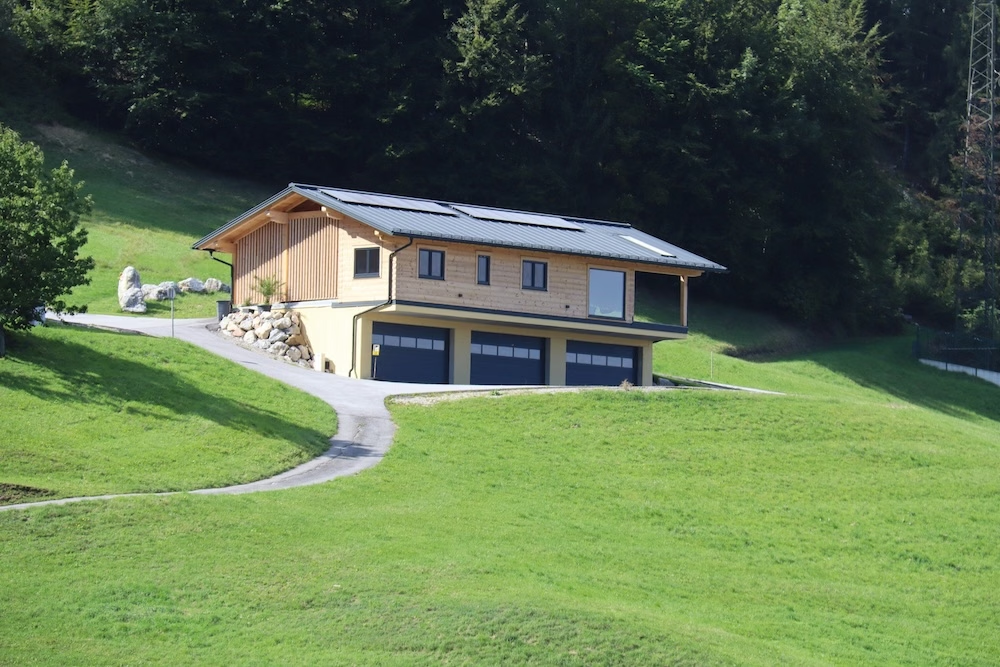
Treat the walls, roof, foundation, windows and doors as one connected system. Gaps between components allow heat and conditioned air to escape, even when each product performs well on paper. Continuous insulation, careful air sealing and properly installed flashing reduce those weak points.
Ask your designer or builder to explain the intended insulation levels, window specifications and ventilation plan in plain language. Families in Edmonton who want to design and build homes that fit their lifestyles can raise these questions during early planning, when changes are easier to incorporate.
A high-performance envelope also needs controlled fresh air. An energy recovery ventilator can remove stale indoor air while transferring some heat to the incoming air stream. During construction, blower-door testing identifies leaks around service penetrations, window frames and attic hatches before finishes hide them.
Sourcing Organic and Local Materials
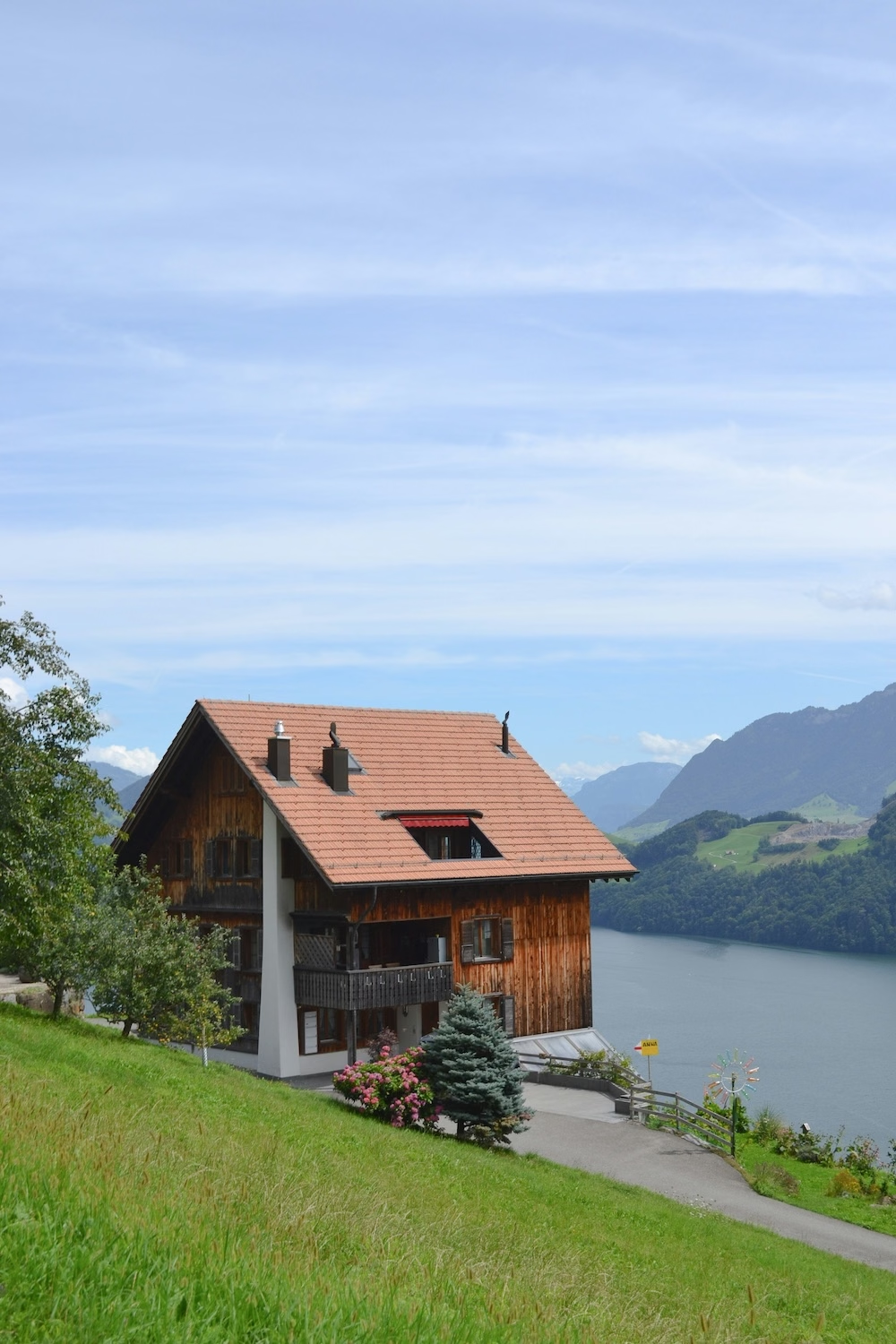
Look at what a material contains, how far it travels and how it performs over decades. Locally available wood, stone or clay products may reduce transportation demands while giving the interior a visual connection to its region. Reclaimed materials can also work well when their condition, dimensions and previous treatments are carefully checked.
For finishes, request ingredient lists and third-party certifications. Low-emission paints, adhesives and flooring support better indoor air quality, especially in bedrooms and other spaces occupied for long periods. The US Environmental Protection Agency explains how volatile organic compounds from common household materials can affect indoor air.
Natural materials still need to suit the application. Solid wood may be appropriate for cabinetry, while a moisture-prone bathroom requires surfaces and sealants designed for repeated exposure. Samples viewed in the home’s actual daylight can prevent expensive color and texture mistakes.
Longevity Over Disposable Trends
Design rooms that can adapt as household needs change. A ground-floor study with adequate storage and nearby bathroom access might later serve as a guest room. Simple layouts, standard fixture sizes and accessible service panels also make future repairs less disruptive.
Choose durable finishes in areas that receive daily wear. Hardwood that can be refinished, replaceable cabinet hardware and tile with a timeless shape usually age more gracefully than highly specialized products. Keep spare tiles, paint details and product records in a labeled storage box so repairs match years later.
Maintenance access deserves equal attention. Gutters, filters, mechanical equipment and exterior finishes should be easy to inspect without dismantling surrounding materials. Before approving a detail, ask how it will be cleaned, repaired and replaced. A feature that saves energy but requires difficult upkeep may not deliver the expected value over the home’s full life.
Sustainable architecture becomes part of daily living when comfort and maintenance are considered alongside energy performance. Before finalizing plans, walk through a typical weekday on paper, from breakfast and remote work to laundry and evening relaxation. That simple exercise often reveals where daylight, storage, ventilation and durable materials will have the greatest effect.