Smart Home Tech: Enhancing the Living Experience

Image Credit: Unsplash
Smart home technology works best when it solves ordinary household problems without adding extra steps to your day. Thoughtful lighting, climate controls and connected sensors can make rooms more comfortable while helping you manage energy use and maintenance. The key is to plan devices as parts of one living environment, with controls that remain simple for family members and guests. A clear plan also prevents you from buying isolated products that require several apps or don’t work well together.
Integrating Tech for Effortless Living
Start with routines that happen every day. A morning setting might raise the shades, adjust the thermostat and gradually brighten the kitchen lights. An evening routine can lower the temperature and turn off lights in unused rooms at a set time.
Before purchasing devices, check their compatibility, power requirements and manual controls. These practical smart home integration tips can help you evaluate your network and choose products that work together. Prioritize one shared control platform, but keep physical switches available. Visitors should still be able to operate a lamp or change the room temperature without downloading an app.
Beyond Gadgets: A Holistic Approach
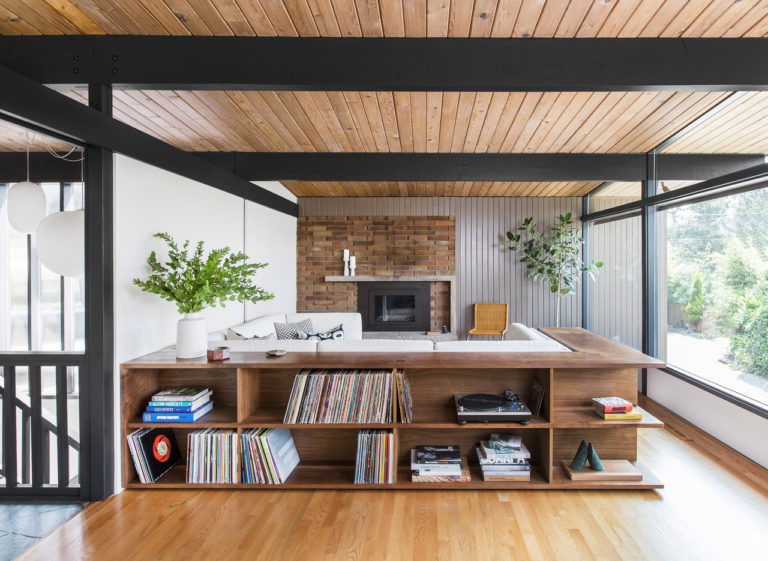
Connected technology should support the home’s architecture, interior design and daily flow. Place automated shades where they can manage glare, use dimmable lighting to define activity zones and hide control panels where they remain easy to reach. The broader idea of whole-home wellness design connects lighting, air quality and temperature with personal comfort.
This coordination matters even more in luxury development, where buyers expect technology to feel like part of the property’s identity. Diana Ulis emphasizes integrating branding and design into a project’s foundational vision from the beginning. Developers can apply the same principle to connected features by planning wiring, controls and user experiences before finishes are selected.
Security and Convenience Upgrades
Practical upgrades can protect a home from common problems while reducing small daily frustrations. Water sensors under sinks, near washing machines and beside water heaters can send an alert as soon as they detect moisture. Smart locks can issue temporary access codes for a house sitter or service provider, while a video doorbell lets residents check a delivery without opening the door.
Privacy deserves equal attention. Use unique passwords, enable multifactor authentication when available and install software updates promptly. Keep connected household devices on a separate Wi-Fi network from laptops that store sensitive information. For a broader planning overview, these smart home upgrades show how comfort, value and practical installation decisions can fit into one renovation plan.
The Future of Connected Homes
The next generation of connected homes will rely more on sensors and local automation. Occupancy detection can adjust ventilation only in rooms being used, while energy monitoring can identify a sudden increase caused by an aging appliance. Systems that process more information inside the home may also reduce dependence on cloud services and improve response times.
Interoperability will shape purchasing decisions as shared standards allow products from different manufacturers to communicate. Even so, long-term value will come from basic qualities: replaceable components, clear privacy settings and controls that keep working if the internet goes down. A well-planned home should also adapt as routines change. That flexibility turns smart technology into a lasting part of the interior instead of a collection of devices that quickly feel dated.