Unwind and Recharge: Designing Your Personal Retreat

A personal retreat gives you a deliberate pause from daily demands without requiring an expensive trip or a week away from work. It can last an afternoon, a full day, or an entire weekend. What matters is creating enough structure to help your mind slow down while leaving space for genuine rest.
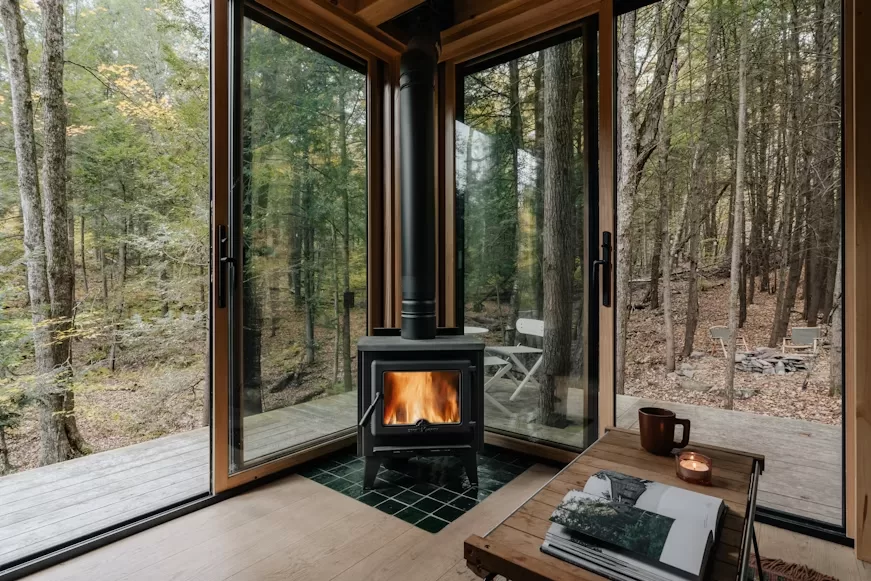
Image Credit: Unsplash
Your retreat may take place in a spare bedroom, a quiet corner of the living room, or a rented cabin. Start with your needs, then shape the space and schedule around them.
Identifying Your Retreat Needs
Decide what you want to feel when the retreat ends. You might need physical rest after an intense month, uninterrupted time for a creative project, or enough quiet to consider a major decision. A clear purpose helps you choose activities that support you instead of filling the day with things that merely sound relaxing.
If you’re unsure what you need, spend 10 minutes answering these questions:
- What has been taking most of my energy lately?
- Which daily obligation do I most want to pause?
- Do I need sleep, movement, solitude, or creative expression?
- What would make tomorrow feel easier, perhaps by incorporating the five elements of Feng Shui?
Look for patterns in your answers. Constant mental chatter may call for a low-stimulation day with journaling and walks. Physical fatigue points toward sleep, gentle stretching, and simple meals. A sense of disconnection may suggest time for reflection or a carefully planned conversation with someone you trust.
A structured personal think week can suit people who need extended time for ideas and decisions. For a shorter retreat, choose one theme and protect three to six hours for it. The retreat should fit your current capacity. If planning an overnight stay creates more stress than relief, stay home and turn off your usual obligations for an afternoon.
Elements of a Restful Space
Choose one area and remove anything that signals unfinished work. Put away laundry, close your laptop, and move unopened mail out of sight. You don’t need to redesign an entire room. A clear chair, a clean surface, and enough floor space to stretch can establish a practical home retreat.
Lighting has a strong effect on how a room feels. During the day, open curtains and use natural light where possible. In the evening, switch off harsh overhead fixtures and use a shaded lamp with a warm bulb. Keep the temperature comfortable and reduce distracting noise with a fan, soft music or earplugs.
A useful at-home retreat guide can help you think through furniture placement, sensory details and boundaries. Your own setup may be much simpler. Try preparing these basics before the retreat begins:
- Fresh sheets or a washable throw
- A full water bottle
- Easy meals and snacks
- A notebook with a working pen
- A basket for your phone, tablet and remote controls
- Comfortable clothes suited to sitting and light movement
Tell other people in your home when you’ll be unavailable. A closed door may not communicate enough, so state the start and end time clearly. If you share a small space, consider scheduling your retreat when the house is naturally quieter.
Mindful Consumption for Calm
Plan what you’ll eat, drink, and consume before the retreat starts. Making those choices in advance reduces interruptions and helps you avoid reaching for something out of habit. Prepare balanced food that requires little effort, such as soup, fruit, yogurt, or a grain bowl. Keep water nearby and be mindful of caffeine late in the day if sleep is one of your goals.
Adults who legally use cannabis should treat it as an optional part of the plan, not the retreat’s central activity. If you choose to order weed online, check local rules, review product details carefully, and arrange everything before your quiet time begins. Use only products you already understand, follow labeled directions, and avoid mixing substances. Don’t drive or take on responsibilities that require quick reactions while impaired. People who are pregnant, managing a health condition, or taking medication should speak with a qualified health professional before use.
Mindful consumption also applies to digital media. Decide in advance if podcasts, movies, or social platforms support your purpose. A nature documentary might help you settle in, while an endless feed can scatter your attention across dozens of unrelated topics.
Try setting two specific windows for checking messages, such as noon and 6 p.m. Let key contacts know how to reach you in an urgent situation. This keeps you accessible for real needs without allowing every notification to shape the day.
Curating Your Comfort Items
Comfort items work best when each one serves a clear purpose. A large pile of candles, blankets, and decorative objects can become visual clutter. Select a few things that support the mood or activity you planned.
For physical comfort, you might choose a supportive cushion, warm socks, and an eye mask. Creative time could call for watercolor paints, a favorite book, or a notebook. If reflection is your focus, set out printed prompts so you don’t need to search online once the retreat starts.
Scent deserves some care. A familiar candle or diffuser can create a clear transition into retreat time, but strong fragrance may cause headaches or feel overwhelming in a closed room. Use one mild scent and provide ventilation. People with pets should confirm that any scented product is safe to use around animals.
The same restraint applies to your schedule. Guidance on planning a personal retreat may inspire several activities, but leave open space between them. A practical four-hour plan could include 30 minutes of gentle movement, an hour of reading, lunch and unstructured rest. That still leaves room for a shower, a nap, or quiet observation.
Place everything you expect to use within easy reach before starting. This small step prevents a search for a charger or clean mug from turning into household chores. Once the retreat begins, let your prepared space hold what you need.
Maintaining Your Inner Peace
The benefits of a retreat can disappear quickly if you return to an overloaded calendar the moment it ends. Give yourself a transition period. Spend the final 15 minutes writing down what felt restorative, what distracted you, and what you want to carry into regular life.
Choose practices small enough to repeat. If two hours of silent reading helped, schedule 20 minutes twice a week. If leaving your phone in another room eased your tension, create a phone-free dinner routine. The retreat serves as a useful test environment for habits that may improve ordinary days.
Pay attention to signs that a longer break could be helpful. Persistent irritability, difficulty focusing, and a feeling of disconnection may indicate that a day at home isn’t enough. This overview of retreat readiness signs offers prompts for considering a more extended experience. Ongoing anxiety, low mood, or sleep problems also deserve professional support, especially when they interfere with work or relationships.
Protect the physical retreat area after your session. You don’t have to preserve it like a showroom. Keep one chair clear, return the notebook to its drawer, and wash the cup you used. Those modest actions make the space easier to revisit.
Before leaving the room, write one sentence about what you need next. Place it somewhere visible. A simple note such as “Keep Wednesday evening open” can turn a temporary pause into a steady source of rest.