Smart Home Upgrades That Boost Comfort and Value

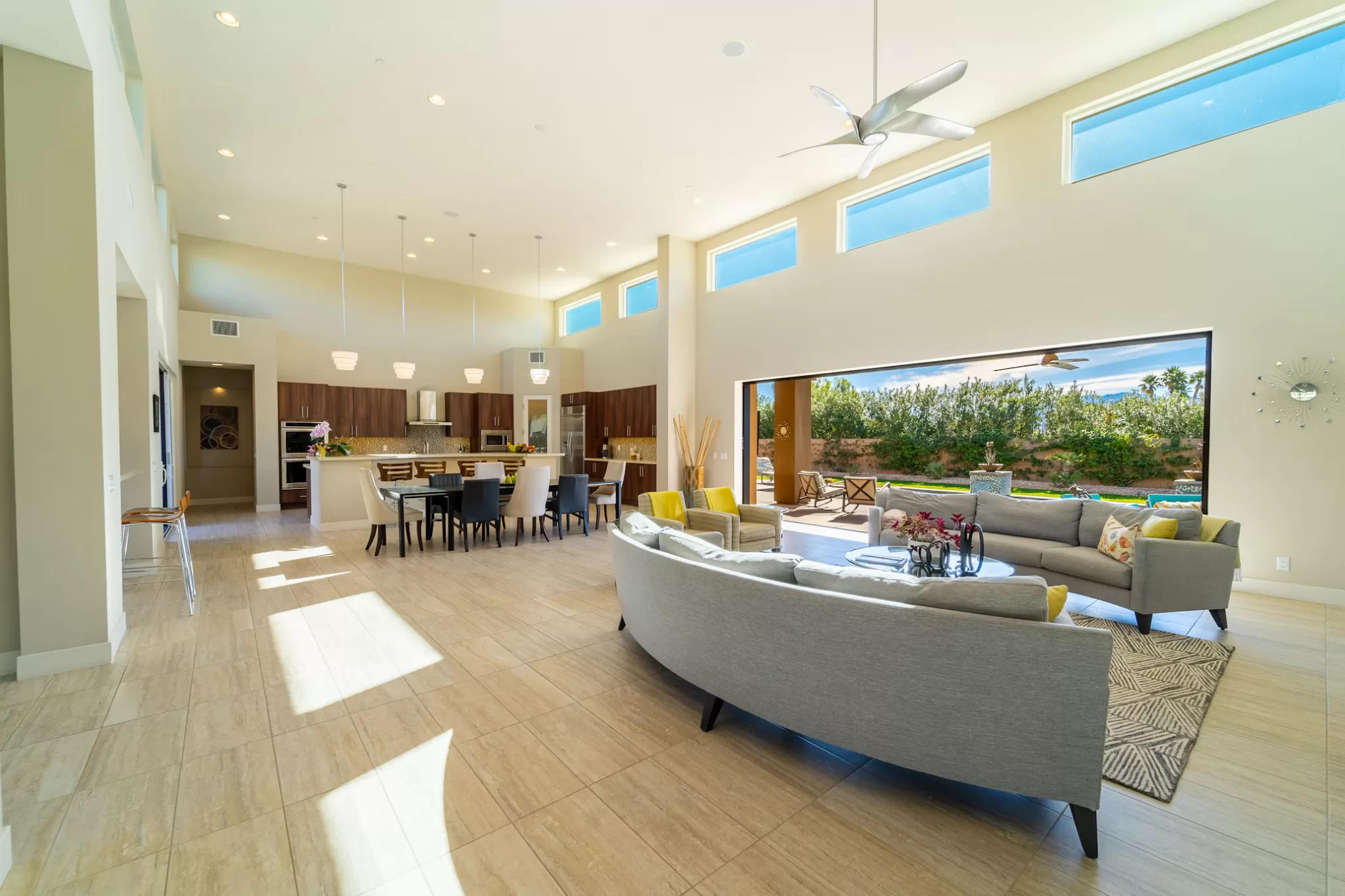
Image Credit: Unsplash
Small changes to heating, lighting, and household controls can make a home noticeably easier to live in while supporting its future resale value. The strongest upgrades solve everyday problems, such as uneven temperatures, wasted electricity, or hard-to-reach switches. They also remain simple enough that guests and future owners can use them without studying a manual.
Before buying new devices, identify the rooms that feel uncomfortable or inconvenient. That practical review will help you spend money where it creates a clear, lasting benefit.
Beyond Aesthetics: Functional Improvements
A stylish finish may catch a buyer’s eye, but functional improvements shape daily life. Start with problems you regularly notice. A dim kitchen needs better task lighting, a stuffy upstairs bedroom may need targeted climate control, and a basement with occasional dampness could benefit from a connected humidity sensor.
Smart switches are often more useful than smart bulbs because they preserve the familiar wall-switch experience. Family members and visitors can operate the lights normally, while you still gain schedules, remote access, and automation. Motion sensors also work well in hallways, closets, and utility rooms where lights are commonly left on.
Water sensors offer another practical upgrade. Place them near a washing machine, water heater, dishwasher, or under a sink. An alert delivered shortly after a leak begins may give you time to limit damage. Some systems can pair with an automatic shutoff valve, although installing the valve may require a qualified plumber.
Focus first on upgrades that address a recurring issue and work without constant attention. This selection of smart upgrades for home value offers useful examples, including security controls and connected climate systems. You can also review broader property value improvements to see how technology fits alongside maintenance, storage, and visual updates.
Compatibility matters too. Check that each product works with your phone, preferred control platform, and home network before purchasing it. A smaller group of compatible devices usually serves a household better than several unrelated systems that need separate apps.
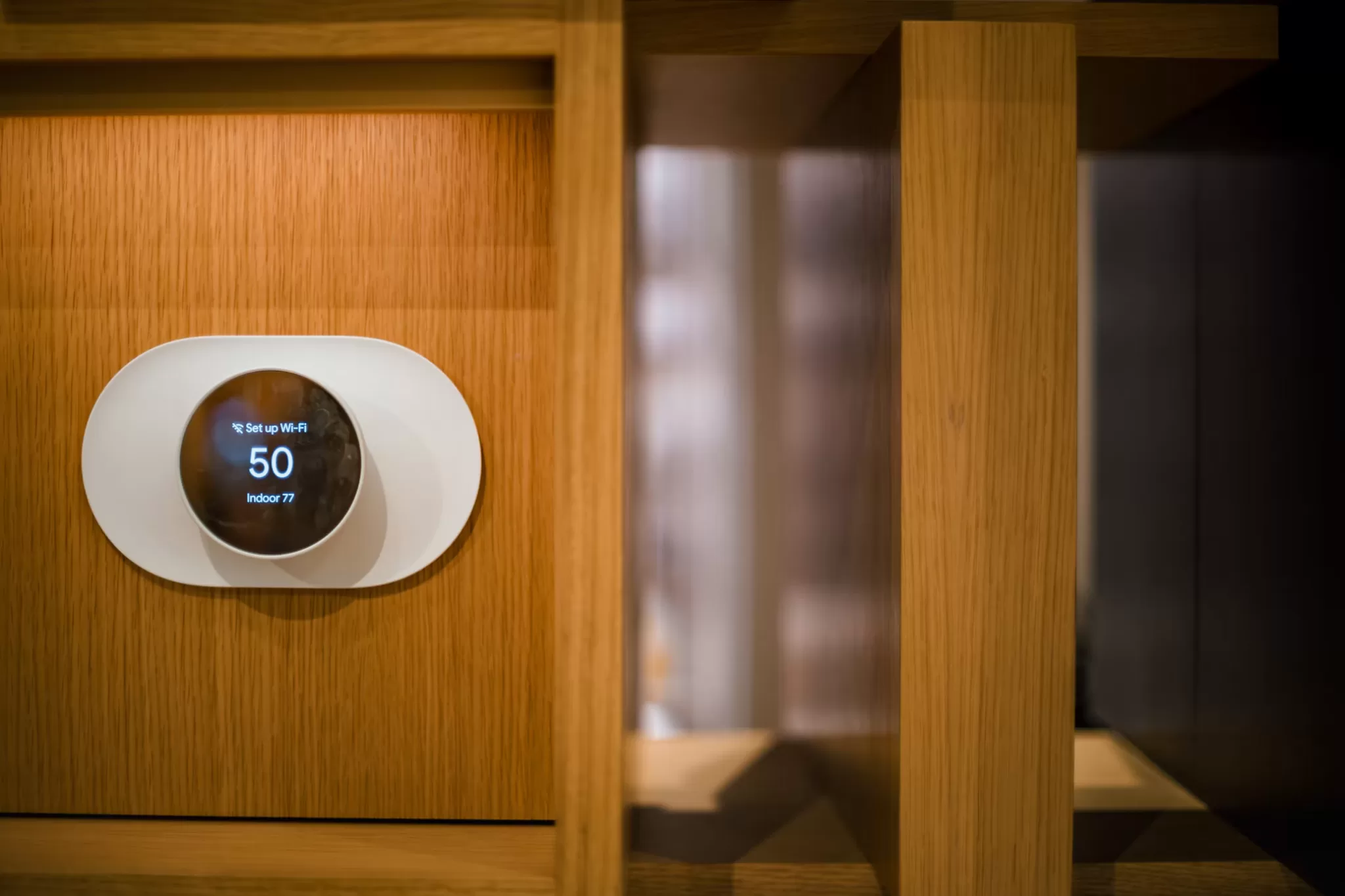
Image Credit: Unsplash
Energy Efficiency: A Smart Investment
Heating and cooling often offer the clearest opportunity for energy savings because they account for a significant share of household use. Begin with basic maintenance, including clean filters, open vents, and sealed gaps around doors or windows. Smart controls become more effective once the home’s physical systems are in good condition.
A programmable or smart thermostat can reduce unnecessary heating and cooling when the house is empty. Set modest temperature changes and monitor comfort for a week before making further adjustments. Extreme setbacks may create long recovery periods, particularly during very hot or cold weather.
Homes with rooms that have different schedules may need a more targeted solution. A home office could need daytime comfort while a guest room sits unused, for example. Homeowners and experienced DIY enthusiasts comparing ductless options can explore 2-zone DIY mini-split systems designed to control two areas with a single outdoor unit. Before choosing any system, confirm room dimensions, insulation levels, electrical requirements, and installation instructions. Local rules may also require a licensed professional for certain electrical or mechanical tasks.
Connected plugs and energy-monitoring outlets help identify smaller sources of waste. Use them to measure devices such as an older dehumidifier or entertainment system across several days. The practical energy-efficient smart upgrades listed here can also help you prioritize lighting, controls, and other manageable projects.
Track actual utility use after each change. Comparing similar months or reviewing daily data gives you a more reliable result than relying on an app’s estimated savings.
Creating Zoned Comfort for Every Space
A single thermostat may not keep every room comfortable. Sunny bedrooms can overheat while lower-level rooms remain chilly. Zoned comfort lets different areas follow their own temperature settings and schedules.
Start by assessing how each room is used, noting occupancy, sunlight, drafts, and heat from appliances. This helps identify where independent temperature control would be most useful.
Options include smart radiator valves, properly designed motorized vents, ductless heat pumps, and ceiling fans. Choose a solution suited to your existing system, as poorly designed zoning can cause airflow problems or reduce efficiency.
Keep neighboring rooms within reasonable temperature ranges to avoid unnecessary heating or cooling. Good insulation, window coverings, and closed doors can also improve comfort.
Finally, consider noise, airflow direction, and control placement. The best zoning system fits your household’s routines, keeps controls simple, and maintains consistent comfort with minimal adjustment.
DIY Potential: Taking Control of Upgrades
Many smart home projects are suitable for a careful DIY installation. Plug-in sensors, smart bulbs, battery-powered controls, and connected outlets often take less than an hour to set up. Projects involving household wiring, refrigerant lines, or structural changes demand a closer look at the instructions and local requirements.
Before starting, confirm four details: the available power supply, network strength, device compatibility, and required tools. A smart doorbell may need an existing transformer with a specific voltage. A connected lock must match the door’s backset and thickness. A Wi-Fi device installed in a garage or distant bedroom may require better network coverage before it can operate reliably.
Create a basic project record as you work. Save model numbers, receipts, warranty details, and setup codes in one secure place. Label circuit information and keep the original manuals for future owners. Clear documentation adds value because it shows that the system was installed thoughtfully and can be maintained.
Work in stages when several upgrades are planned. Install one product, test it for a few days, and then add the next. This makes troubleshooting much easier. A guide to long-term smart improvements can help you compare projects based on everyday usefulness as well as potential return.
Know when to call a professional. If a project involves an unfamiliar electrical panel, hidden plumbing, or permits, professional help protects both the home and the equipment warranty. DIY success comes from choosing projects that fit your skills, not pushing through work that has moved beyond them.
Integrating Tech for Modern Living
A connected home should be simple to manage. Choose one primary platform and compatible devices to control lighting, temperature, and sensors through shared routines.
Start with basic automations. An evening routine might adjust the shades, switch on lamps, and regulate the temperature. A leaving-home routine could turn off lights, reduce heating or cooling, and alert you if a door remains open.
Keep manual controls available for internet outages and guests. Give household members separate accounts rather than sharing passwords.
Protect your system with unique passwords, multi-factor authentication, regular firmware updates, and a separate network for smart devices when supported. Review permissions periodically and remove devices you no longer own.
Explore modern connected living for ideas on integrating lighting, climate, and access controls.
Before adding a device, consider how easily you can operate it daily and what happens when the network fails. The best smart home delivers reliable convenience without unnecessary complexity.