Smart Exterior Upgrades That Transform Curb Appeal

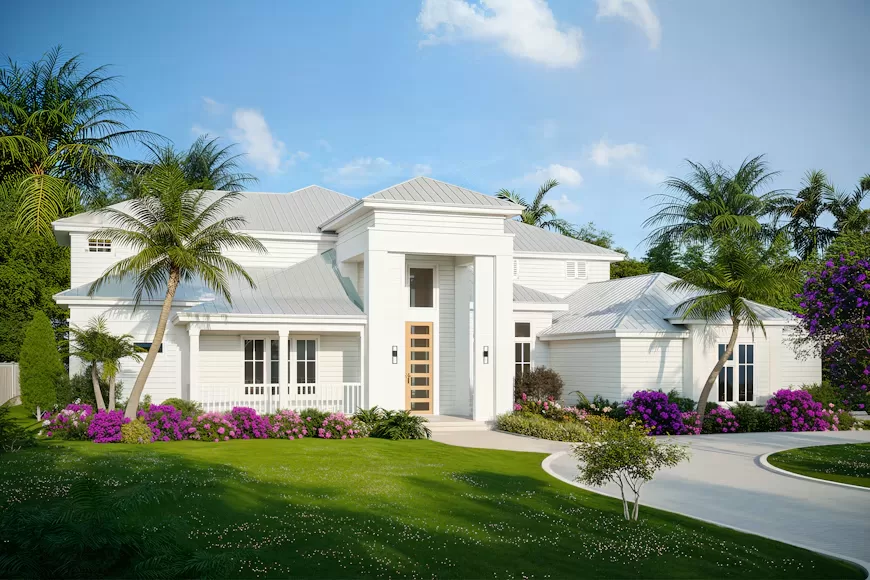
Image Credit: Unsplash
Exterior improvements have the greatest impact when the house, front walk, and property entrance feel like parts of one design. A fresh door color may draw attention, but lasting curb appeal comes from coordinating landscaping, access, lighting, and durable finishes. Start by identifying the view from the street, then follow the route a visitor takes toward the front door. This simple exercise reveals mismatched materials, dark areas, and visual clutter that may be easy to miss when you see the property every day.
Setting the First Visual Impression
Stand across the street and take a photo of your home in daylight. The image will help you spot crooked edging, overgrown shrubs, visible bins, and other distractions. Current curb appeal trends favor warm natural details, strong entry colors, and landscaping that adds texture without hiding the architecture.
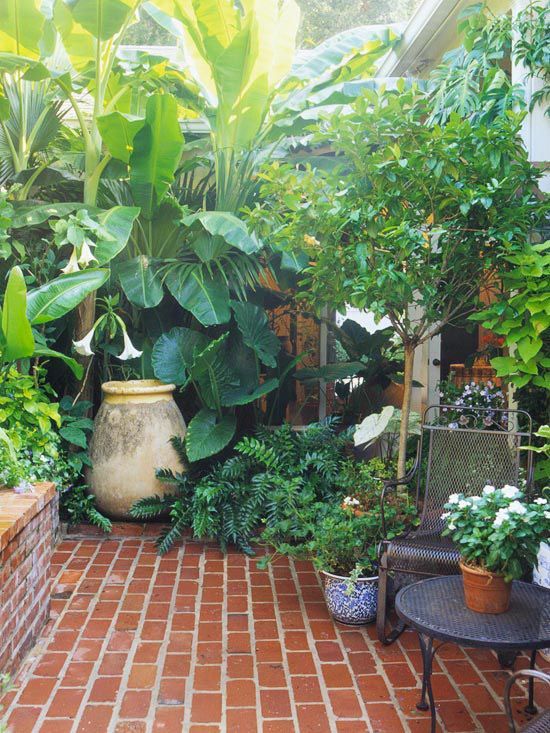
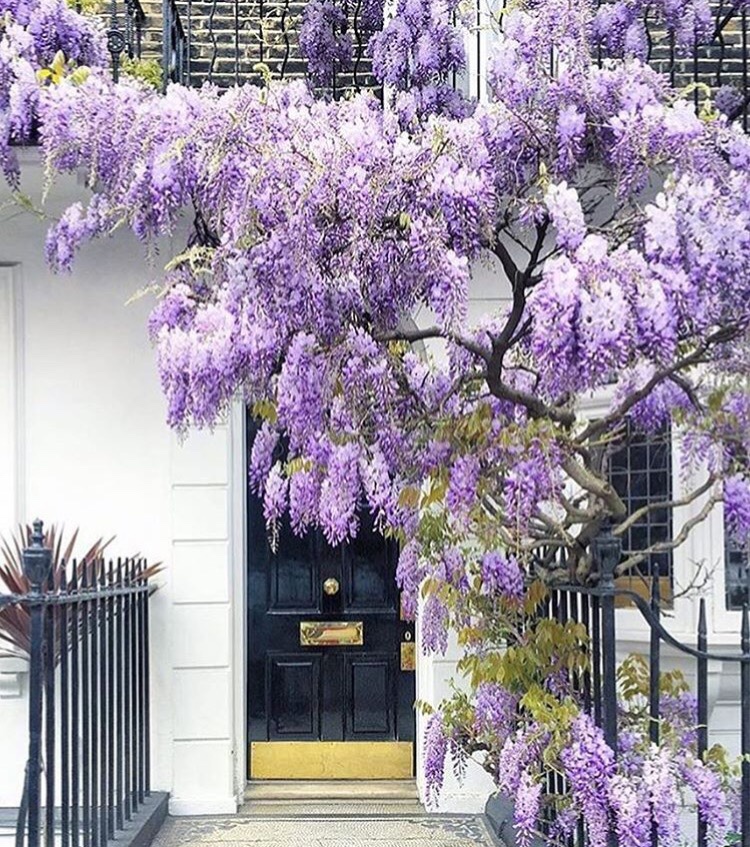
Give the yard a clear structure with a defined walkway and plants in a limited color palette. Trees can also frame the house and soften large areas of siding. This guide to trees that transform curb appeal offers useful inspiration. Check mature height, root spread, and distance from utility lines before planting.
Automated Access Meets Elegant Design
A driveway entrance occupies a large part of the street view, so its scale and finish should complement the property. Slim metal profiles suit contemporary homes, while simpler vertical designs can work with traditional architecture. Match the entrance color to existing details such as window frames, exterior hardware, or porch railings.
If daily convenience and controlled property access are priorities, compare electric gate systems based on opening space, traffic frequency, and available power. A sliding model may suit a short or sloped driveway, while a swing design needs enough clear space to move safely. Plan for pedestrian entry, manual operation during an outage, and easy service access. Posts, controls, and surrounding fencing should look intentional from both sides of the entrance.
Cohesive Lighting from Curb to Doorstep
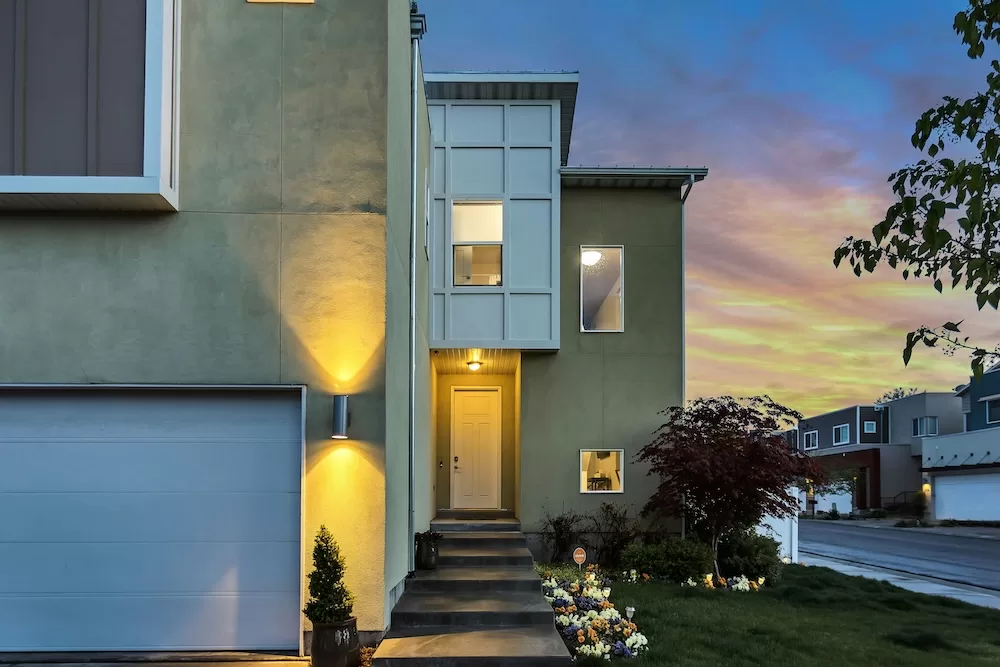
Exterior lighting should guide people through the property without making the yard feel overlit. Begin with the driveway entrance and walkway, then add illumination at steps, address numbers, and the front door. Fixtures with a similar finish create visual continuity even when their sizes and mounting styles differ.
Use warm white light around 2700K to 3000K for a comfortable residential effect. Shielded path lights direct illumination toward the ground and reduce glare, while a pair of wall fixtures can balance a centered doorway. Place lights where changes in elevation occur, especially near stairs or uneven paving. Smart timers and dusk-to-dawn controls keep the lighting schedule consistent, and separate zones let you dim decorative fixtures while leaving key access points clearly visible.
Materials That Weather Gracefully Over Time
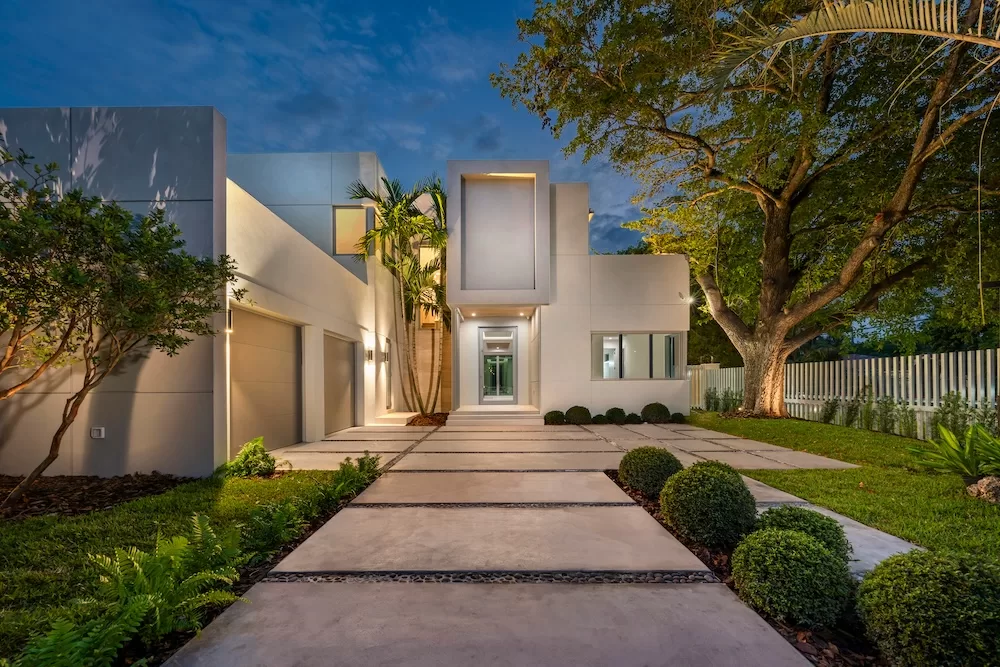
Choose exterior materials according to local sun, moisture, and temperature conditions. Powder-coated metal resists fading and corrosion when its finish remains intact, while naturally durable woods need periodic cleaning and sealing. For walkways, textured pavers and brushed concrete provide better traction than highly polished surfaces.
Treat the front entrance as one connected project when selecting paint, paving, and hardware. These front entrance upgrades show how architectural details and yard improvements can support each other. Request material samples and view them outdoors in morning and afternoon light, since colors often shift under direct sun.
Set a simple maintenance calendar for washing surfaces, touching up coatings, and checking joints after harsh weather. A gate finish that echoes the porch hardware, paired with warm pathway lighting and healthy planting, will still look composed long after the installation work is complete.