A Designer Guide to Setting Up Your New Living Room

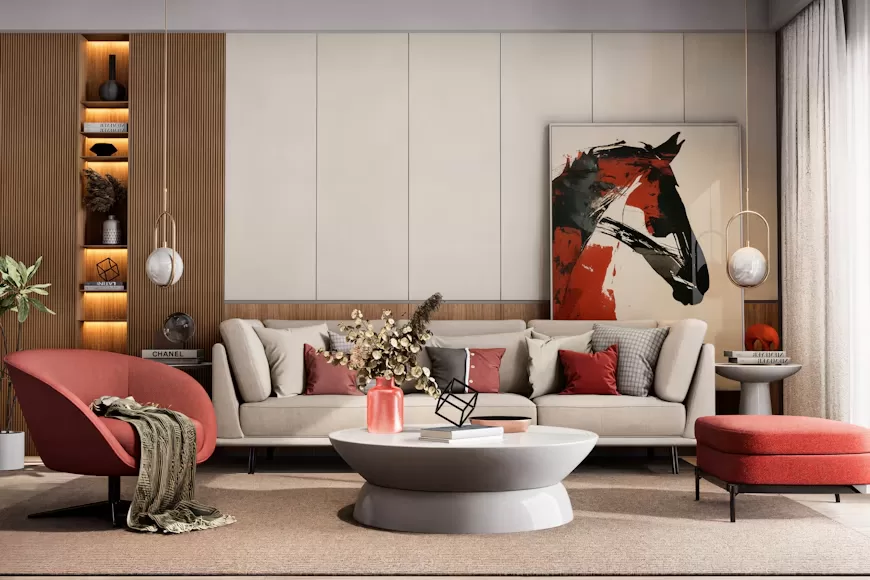
Image Credit: Unsplash
A successful living room setup starts before the sofa meets the wall. Careful decisions about sightlines, circulation, lighting, and texture will make the room feel comfortable from the first day while reducing the need to shift heavy furniture later. Keep a tape measure, painter’s tape, and a simple floor plan nearby as you work. These tools help you test ideas at full scale and spot problems that aren’t obvious on paper.
Establish Your Primary Focal Point
Choose one feature that should attract attention when someone enters the room. A fireplace, large window, artwork, or media console can fill this role. These focal point tips explain how scale, color, and furniture placement can create a clear visual center.
Arrange the largest seating piece so it acknowledges that feature without blocking the view. Then support it with one or two smaller elements, such as matching lamps or a pair of chairs. If the room lacks an architectural feature, create one with a large canvas or sculptural light. This guide to creating focal points offers more practical inspiration for defining the space.
Map Walkways Before Heavy Lifting
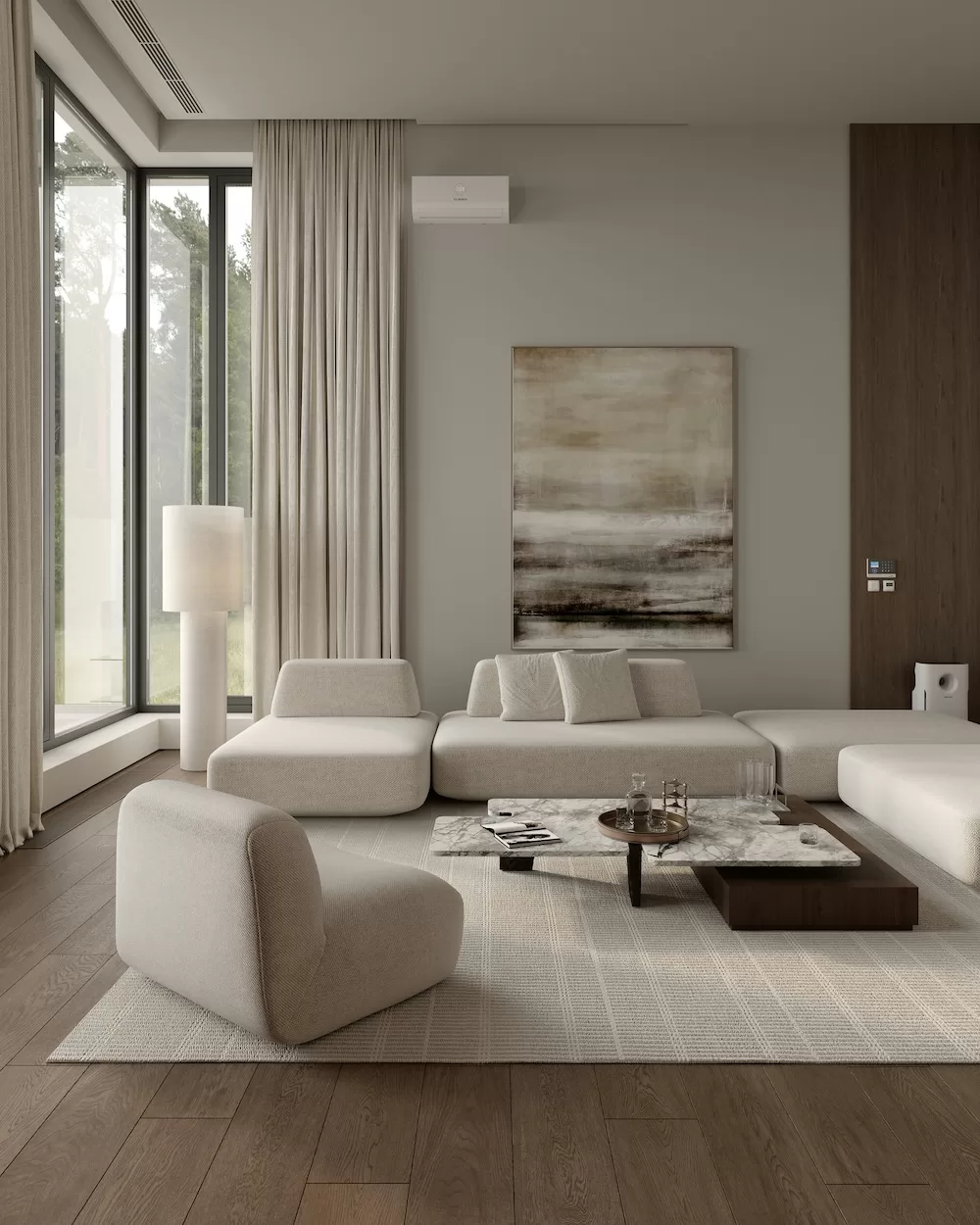
Mark the dimensions of your sofa, chairs, and tables on the floor with painter’s tape. A clear route of about 30 to 36 inches works well for a main walkway, while smaller gaps near occasional furniture can be narrower. Detailed room layout planning can help you account for doors, windows, and natural traffic patterns.
If you’re relocating in Northern Virginia, the residential moving and packing options listed at princemovers.com may help with getting large pieces into position. Before moving day, measure doorways, stair turns, and elevators. Record each item’s width, depth, and height so you know which route offers enough clearance.
Layer Lighting at Multiple Heights
Use at least three light sources across different levels. An overhead fixture provides general illumination, a floor lamp brightens a reading chair, and a table lamp creates a softer pool of light near the sofa. Placing every fixture at the same height can leave the ceiling or corners feeling flat.
Aim floor and table lamps toward areas where you read, talk, or work. Warm white bulbs around 2700K create a relaxed evening atmosphere, while dimmers let you adjust brightness as daylight changes. Keep screens free from direct glare by checking the room from each seat after sunset. Where outlets are limited, choose one statement floor lamp with a wide reach instead of stretching cords across a walkway.
Curate Textiles for Instant Warmth
Start with a rug large enough to connect the seating group. In most arrangements, the front legs of the sofa and chairs should rest on it. A rug that stops in the center of the floor can make each furniture piece appear isolated. Use a rug pad to reduce shifting and add cushioning.
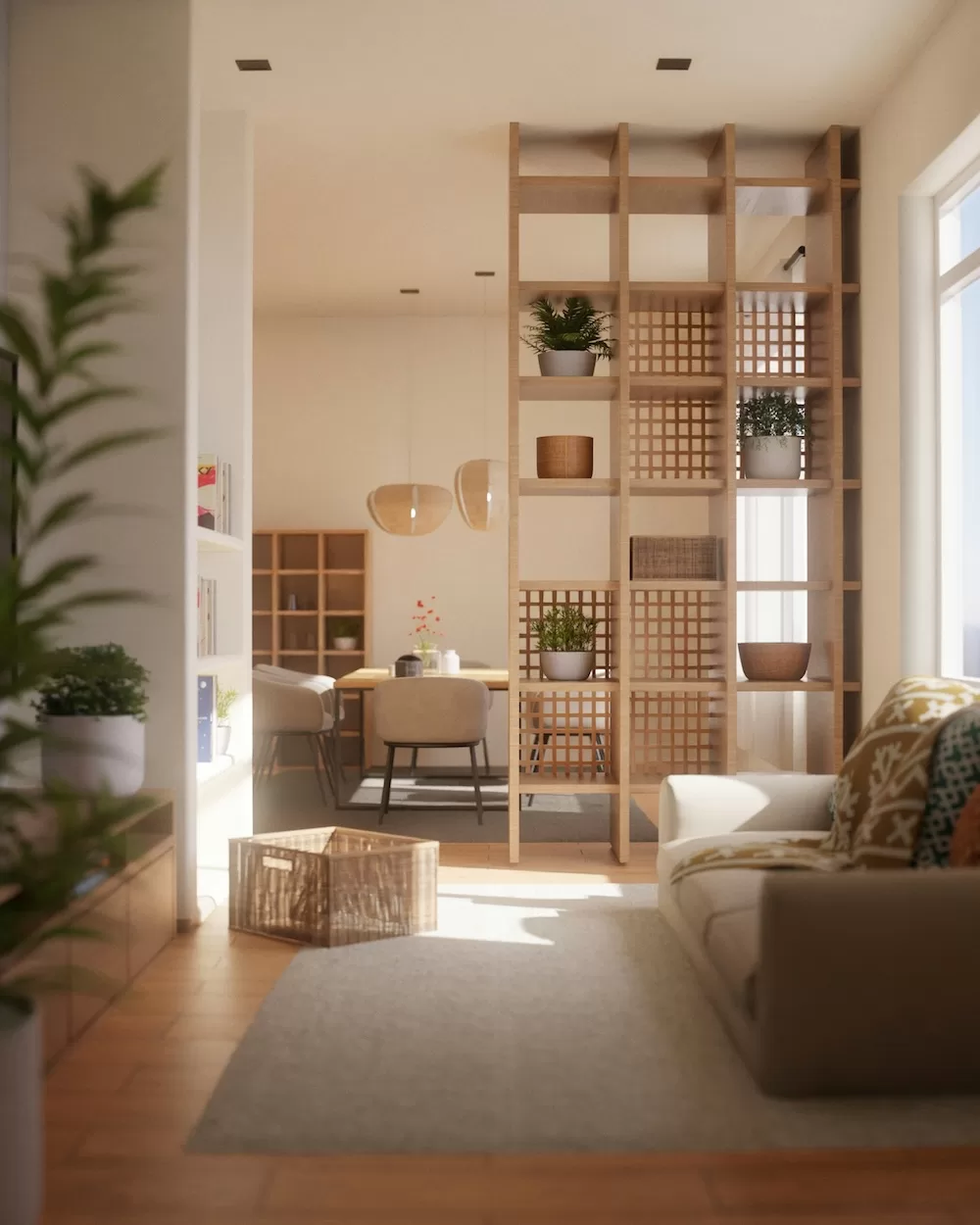
Build warmth through varied textures in a restrained color palette. For example, combine a flat-weave rug, linen curtains, a soft wool throw, and two or three pillows with different weaves. Repeat one color in several places to create continuity. Curtains usually look more generous when mounted several inches above the window frame and extended beyond its sides, which also allows more daylight into the room when they’re open.
Once the main pieces are settled, spend an evening using the room before adding more decor. Notice where you naturally set down a drink, where shadows collect, and which seat has the best view. Those small observations will tell you where the final side table, lamp, or cushion truly belongs.