Protect Modern Entryways Without Ruining Curb Appeal

A modern entryway should feel welcoming while giving everyone a stable path to the front door. Smooth stone, slim steps and minimal detailing can create a polished facade, but those same features may become slippery during rain, snow or temperature changes. The best safety updates work quietly within the existing design. Careful placement, restrained colors and durable low-profile materials can improve traction without making the entrance look like a commercial walkway.
The Tension Between Style and Safety
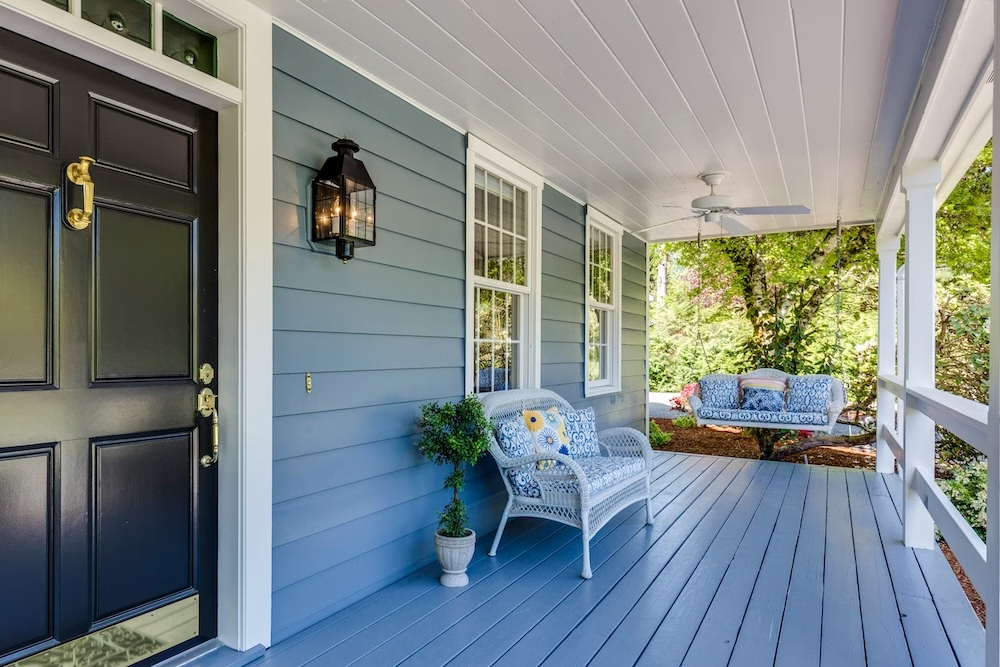
Entry steps need to perform in all seasons, yet many traction products appear bulky or visually disconnected from the house. Homeowners may delay an update because they fear covering attractive wood, concrete or stone. That choice can leave smooth surfaces difficult to use when wet. Exploring different staircase designs and safety features can help homeowners find practical improvements that complement their existing architecture.
Start by observing where people naturally step and where water collects after a storm. Focus safety measures on those specific zones instead of covering every visible surface. Broader curb appeal ideas can also help you treat the entrance as a complete composition, balancing practical additions with lighting, planters and a clearly defined path.
Preserving Your Architectural Lines
Modern facades depend on clean geometry, so new materials should follow the lines already present. Choose rectangular coverings that fit within each step and leave a consistent border around the edges. A centered tread with equal margins often looks more intentional than a piece extending from wall to wall.
Color matters as much as size. Charcoal works well with dark metal trim and cool concrete, while black can echo window frames or door hardware. Before installation, place paper templates on the steps and view them from the sidewalk. This simple test reveals whether the proportions look balanced. Homes designed around indoor-outdoor living benefit from repeating the same restrained material palette across the threshold.
Low-Profile Materials for Maximum Grip
Select a tread with a textured surface, weather resistance and enough weight to remain flat under regular use. Rubber is practical for exposed stairs because it offers grip without adding a tall edge that interrupts the step profile. Look for a design that covers the main footfall area while keeping step edges visible.
Measure each stair separately since poured concrete and older masonry can vary slightly in width. Homeowners and property managers comparing heavy-duty rubber options can check here for slip-resistant outdoor treads suited to busy steps and walkways. Follow the product’s installation directions and confirm that every corner sits flat. Raised edges can catch a shoe and collect debris.
Long-Term Maintenance for High Foot Traffic
Inspect the entry once a month and after severe weather. Sweep away grit, leaves and small stones that may reduce surface contact. Wash rubber surfaces with water and a mild cleaner, using a soft brush to clear dirt from textured grooves. Strong solvents may affect the finish, so check the care instructions before applying any cleaning product.
Pay attention to movement, curling and trapped moisture. Reposition or secure a tread as soon as it shifts, then investigate whether runoff from a gutter or planter is reaching the stairs. During colder months, remove packed snow promptly and use only surface treatments approved for the step and tread materials. A five-minute inspection keeps the entrance neat and helps preserve the crisp alignment that makes a modern facade work.
The most successful update will almost disappear into the architecture. Match the tread width to the stair proportions, repeat an existing exterior color and keep each piece perfectly aligned. From the sidewalk, visitors should notice an orderly entrance first and dependable footing as they approach.