
What Every Major Renovation Overlooks at the Front Door

A home renovation can lose its polished appearance when mismatched door hardware, worn locks, or poorly aligned frames undermine the finished exterior. Beyond appearance, overlooked security issues can leave you uncertain about who still has access to your property. Discover how the right finishing touches, updated hardware, and post-renovation security checks can protect your home while creating a welcoming, cohesive entrance.
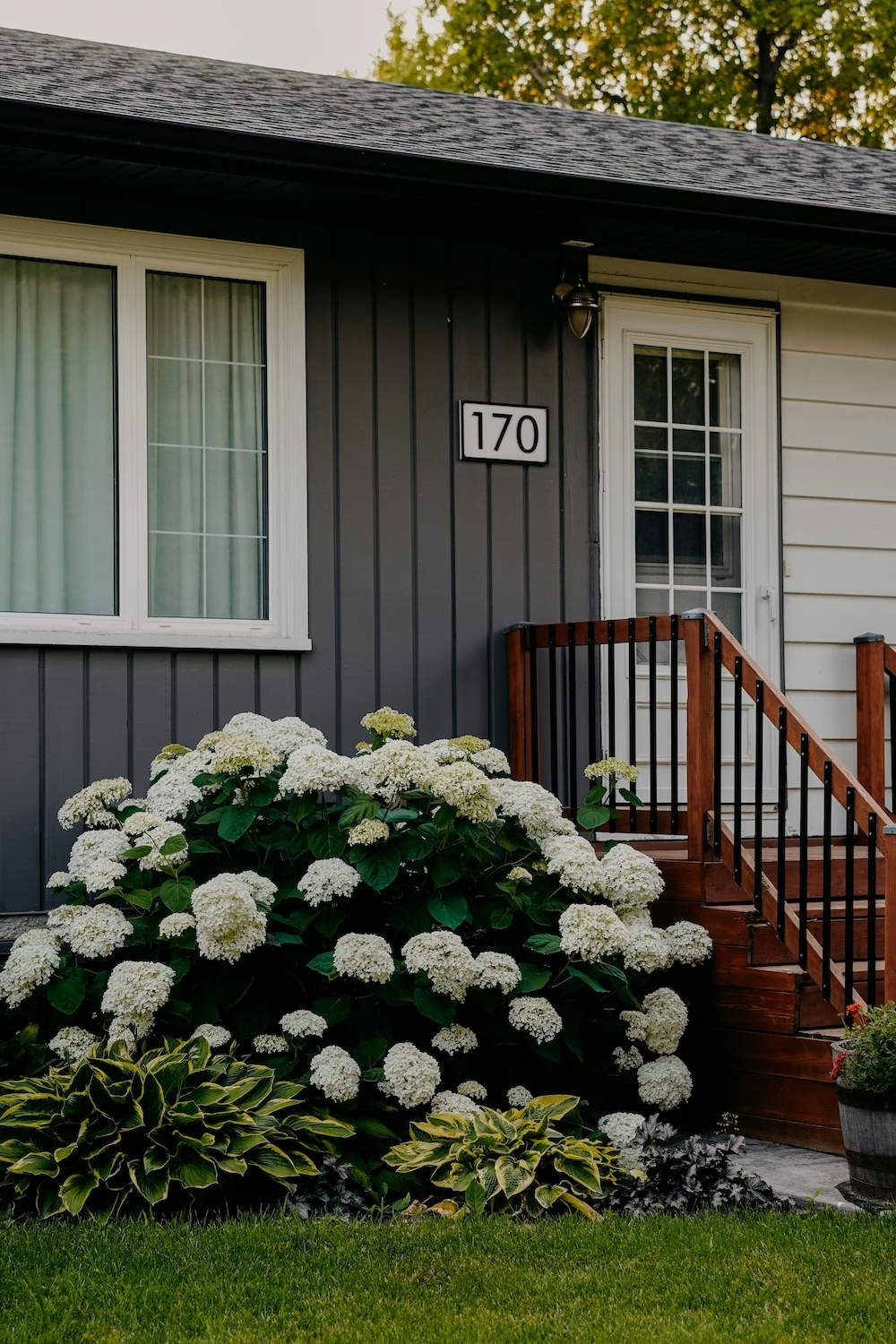
Curb Appeal Starts at the Threshold
The front entrance creates a visual transition between the exterior design and the rooms beyond it. If the door, trim, and hardware look disconnected from the renovated facade, the whole project can feel unfinished. This matters even when each element looks good.
Start by standing at the sidewalk or driveway and viewing the entrance as a complete composition. Check the proportions of the light fixtures, house numbers, door hardware, and planters. The National Association of Realtors notes that a front-door refresh can strengthen a property’s presentation through focused changes rather than another large construction project.
Pay close attention to the threshold itself. Paint splashes, chipped corners, exposed screw heads, and cracked sealant become easy to spot once the surrounding surfaces are new. Clean up these small defects and confirm that the doormat sits flat without blocking the door’s movement.
Color deserves a final review too. A door painted before new cladding or masonry was installed may no longer suit the completed palette. Pull color samples from the finished exterior and view them beside the door in morning and afternoon light. This prevents a choice based solely on artificial showroom lighting.

Image Credit: Unsplash
The Cost of Reusing Old Hardware
Reusing handles, hinges, and locking hardware may appear to save money, especially when the renovation budget is already stretched. The real cost becomes clearer after installation. Older parts can look dull beside fresh paint and new trim, while worn internal components may create resistance every time you enter the home.
Inspect hardware before deciding to keep it. Surface marks can sometimes be cleaned, but loose handles, excessive movement, and stiff mechanisms point to wear that polishing won’t solve. Measure each component carefully if you plan to replace it. Door preparation varies, and a new set may require different hole spacing or a larger bore.
The finish also affects long-term performance. Exterior hardware faces moisture, airborne salt in coastal locations, direct sun, and frequent handling. Choose products rated for outdoor use and follow the manufacturer’s cleaning instructions. Abrasive cleaners can remove protective coatings and cause a finish to deteriorate early.
Include labor in your comparison. Reinstalling an old set, discovering that it binds and then paying for a second visit may cost more than fitting a suitable replacement during the renovation. Keep hinges in the assessment as well. A heavy new door fitted to undersized or worn hinges can sag, scrape the threshold, and place pressure on the latch.
If original hardware has architectural value, ask whether it can be professionally restored and paired with updated internal components. That route preserves character while addressing everyday reliability.
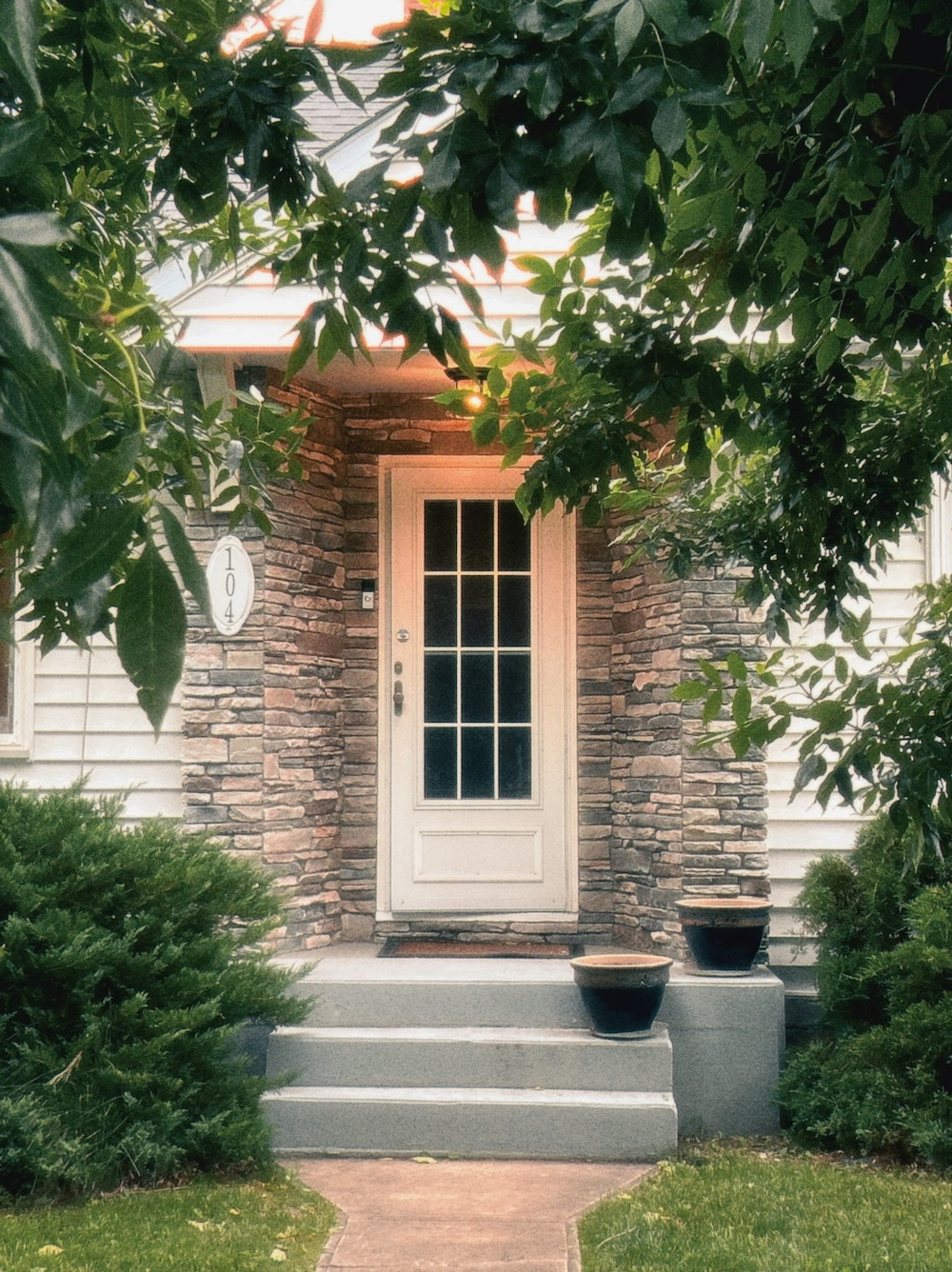
Why Rekeying Should Top Your Checklist
A renovation can place keys in the hands of builders, painters, cleaners, delivery teams, and property managers. Even when every contractor acts responsibly, you may not know how many temporary copies were made or where they ended up. Rekeying after the work is complete restores clear control over who can enter.
Schedule this job after contractors no longer need routine access but before the household settles back in. A Locksmith referral service can connect Australian homeowners and business owners with vetted professionals for general locksmithing, access security, and related consultations. Explain how many exterior doors you have, which doors should use the same key, and whether any locks feel stiff or loose.
Rekeying changes the working key without always requiring complete replacement of the existing hardware. Replacement may still be the better choice when a component is damaged, heavily corroded, or incompatible with the access plan you want. Ask the professional to inspect operation before recommending either option.
Take the opportunity to create a simple key register. Record how many copies exist, who receives each one, and the date it was issued. Avoid labels that include the full property address. If the renovation includes a studio, home office, or side entrance, decide whether that area needs separate access.
Test every new key before the appointment ends. Each one should work from both sides where applicable, and the door should secure without lifting, pulling, or pushing it into position.
Matching Finishes Across Exterior Access Points
Exterior hardware should create a cohesive look across doors, gates, and garage access points. Choose finishes, colors, and styles that complement the home’s existing materials, such as black or bronze for dark window frames, brass for warm timber, and stainless steel for contemporary finishes. Use physical samples to ensure accurate color matching.
Wayfair’s overview of exterior curb appeal shows how coordinated details support the larger facade. You can also review these smart exterior upgrades when planning lighting, planting, and other improvements around the entrance.
Consider touchpoints as a group: the front handle, doorbell, house numbers, mailbox, and exterior lights. Two nearby metal finishes can work together if the combination appears deliberate, but four unrelated finishes usually create visual clutter. Keep one primary finish and use a second as a limited accent.
Don’t ignore practical conditions. A dark metal handle exposed to strong afternoon sun may become uncomfortable to touch. Highly polished surfaces show fingerprints quickly, while textured finishes tend to disguise everyday marks. Match appearance with the amount of maintenance you’re willing to do.
Testing Frame Alignment After Major Work
Doors can shift during a renovation even when nobody replaces them. Changes to flooring height, repeated heavy use, and movement in nearby framing may affect the gap around the door. Fresh paint can also add enough thickness to make a previously tight door stick.
Close the door slowly and watch the gaps along the top and sides. They should appear reasonably even, and the door shouldn’t swing open or closed on its own. Next, operate the handle and key without pushing against the door. If the latch works only when you lift the handle side or pull the door toward you, the frame, hinges, or strike plate may need adjustment.
A simple paper test can reveal inconsistent compression around weather seals. Place a strip of paper between the door and frame, close the door, and gently pull. Repeat the test at several points. Very loose areas can allow drafts, while sections that grip too tightly may prevent smooth closing.
Look below as well. New tile, timber or carpet can reduce clearance at the threshold. Scraping damages both the floor and the bottom edge of the door, so deal with it before repeated use leaves visible marks. Sweeten’s discussion of front door details reinforces how much this single feature contributes to the finished exterior.
Complete the check in both dry and damp conditions if your schedule allows, since timber can respond to humidity. The renovation is truly finished when the front door closes cleanly, the latch meets the strike without pressure, and every authorized key works on the first try.