Why Thermal Comfort Is the Missing Piece in Home Wellness

A comfortable home supports wellness in ways that go far beyond attractive furniture and soothing colors. Room temperature, airflow, and surface warmth can affect your mood, concentration, and sleep quality.
When rooms feel chilly, or temperatures shift throughout the day, the body spends more energy trying to stay comfortable. Creating a warmer, steadier environment starts with understanding how heating performance and interior design work together.
The Psychology of Warm Living Spaces
Thermal comfort shapes how secure and relaxed a room feels. Guidance on thermal comfort and wellbeing explains that temperature, humidity, and air movement all influence physical and mental comfort. A living room may look inviting, yet cold floors or a steady draft can make you tense your shoulders and leave sooner than planned.
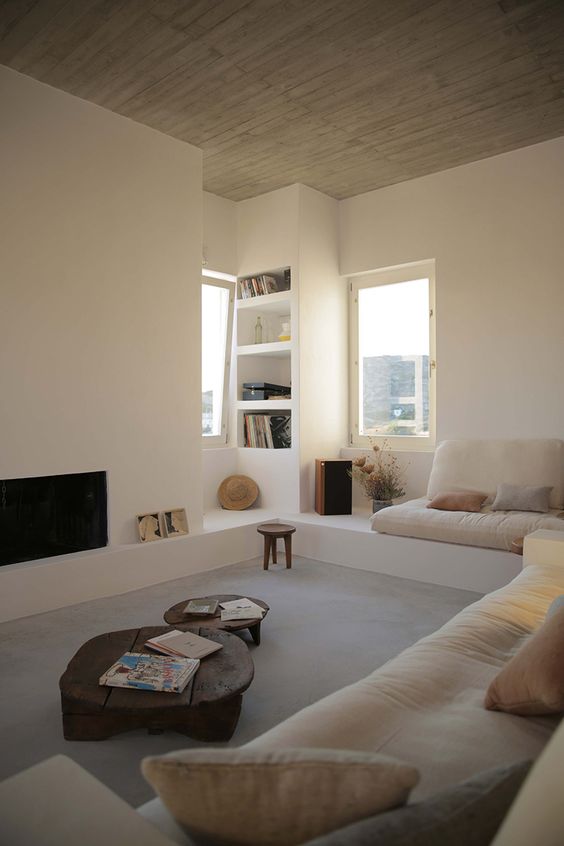
Aim for consistency between nearby spaces. Large temperature changes between the living room, hallway, and kitchen make the whole home feel unsettled. Curtains, area rugs and upholstered seating can soften hard surfaces, while warm-toned lighting adds visual warmth. These details support the connection between space and emotional wellbeing, helping rooms feel calmer and easier to use.
How Drafts Disrupt Restful Sleep
A cool bedroom can support sleep, but uneven cold is different. Air leaking around a window or exterior door may chill one side of the bed, prompting you to shift positions or wake during the night. The problem often becomes more noticeable in the early morning when outdoor temperatures reach their lowest point.
Check for airflow with the back of your hand around frames, baseboards, and closed doors. Replace worn weatherstripping and keep furniture from blocking vents. If the room remains cold while the rest of the home feels comfortable, uneven airflow or equipment trouble may be involved. Phoenix-area homeowners can consult Yeti Pros heating when recurring cold spots, unusual system sounds, or heating failures call for professional diagnosis.
Address Underlying Heating Issues
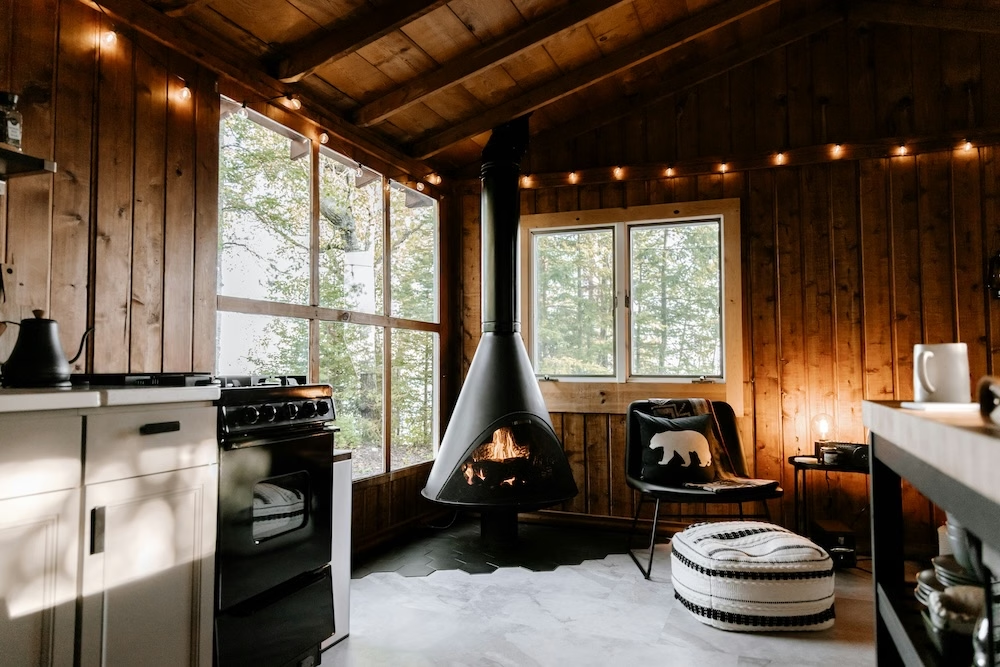
Treat persistent temperature swings as a home maintenance issue, especially if your system runs for long periods without making rooms comfortable. Start with simple checks: replace a dirty filter, confirm that supply vents are open, and make sure the thermostat isn’t exposed to direct sunlight. Note which rooms feel cold and when the change occurs, since that information can help a technician identify the cause.
Schedule an inspection if you notice weak airflow, frequent cycling, or a sudden rise in energy use. A professional can assess the thermostat, ductwork, and heating equipment instead of guessing from one symptom. Repairs may restore even temperatures and reduce strain on the system. Regular filter changes and seasonal service can also catch small performance problems before comfort suffers.
Layering Textures for Ambient Warmth
Once the heating system maintains a steady baseline, use texture to make rooms feel warmer without turning up the thermostat. Place a thick rug beside the bed or beneath the main living area so bare feet don’t meet a cold floor. Add lined curtains where windows feel chilly and choose breathable throws that are easy to move between rooms.
Balance matters because too many heavy fabrics can make a compact room feel crowded. Combine one substantial element, such as a wool-blend rug, with lighter cushions and a folded blanket. Natural wood, woven baskets, and softly shaded lamps also create visual warmth. For more ideas, this guide to keeping modern design comfortable shows how clean interiors can still feel welcoming.
Thermal wellness becomes noticeable in ordinary moments: getting out of bed without stepping onto an icy floor, reading beside a window without feeling a draft, and moving between rooms without a sudden chill. Keep the indoor temperature stable first, then let textiles, lighting, and thoughtful furniture placement complete the sense of comfort.