Why Drafty Rooms Ruin Your Interior Design Flow

A room can look beautifully composed and still feel wrong when cold air collects around the windows. Drafts affect where you place furniture, how often you use certain seats and which textiles remain on display. They can even break the visual connection between adjoining spaces as doors are closed to hold in warmth. Finding the source of the discomfort is the first step towards restoring both comfort and a natural interior design flow.

Unusable Corners and Deserted Nooks
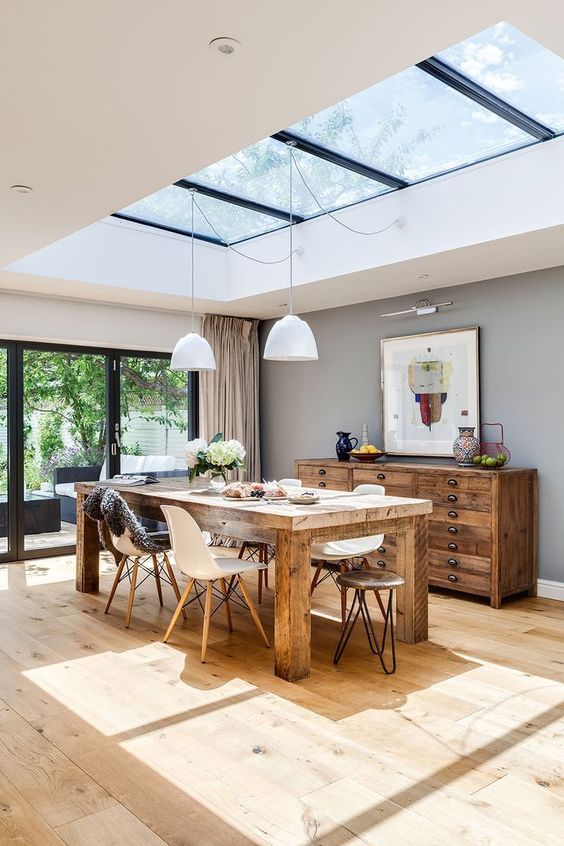
A drafty corner quickly becomes wasted space. The reading chair beside a window goes untouched, a breakfast nook feels uninviting and a carefully styled bench turns into somewhere people only leave bags. Furniture then migrates towards the centre of the room, which can crowd walkways and disrupt the intended layout.
Check neglected areas on a cool or windy day. Run your hand around closed window frames and look for moving curtains, damaged seals or visible gaps. You can also place a lightweight tissue near the frame to detect airflow. Once you know where air enters, temporary weatherstripping may improve comfort while you arrange a permanent repair.
When Old Framing Can No Longer Be Sealed
Caulk and weatherstripping work well on small, stable gaps. They’re less effective when a frame has warped, glass is damaged or moving parts no longer close correctly. Repeated condensation, peeling finishes and rattling panes can also signal that a quick sealing job won’t address the underlying problem.
Common sources of household drafts can include worn window seals, gaps around frames and other openings that allow outside air into the room. If the problem persists after basic sealing, inspect the surrounding window assembly more closely.
At that point, professional window replacement may be the practical next step for affected homes or businesses in Brisbane and the Gold Coast. Before booking work, note which windows feel drafty, photograph visible damage and check whether the problem changes with wind direction.
Keep in mind that drafts can also enter through doors and wall gaps, so assess the whole room rather than assuming the windows are the only source.
Rethinking Layouts Around Heat Sources
Portable heaters and radiators often dictate furniture placement in drafty rooms. A sofa gets pushed close to the heat, side tables lose their logical position and decorative screens appear solely to redirect airflow. These changes may improve comfort for one seat while making the overall room harder to use.
Start by leaving a clear area around any heat source according to its manufacturer’s guidance. Move large furniture away from vents so warm air can circulate throughout the room. Layered curtains can reduce discomfort near glass, though they shouldn’t block heaters or vents. If one zone still feels noticeably colder, address the air leak before redesigning the entire floor plan around a seasonal problem.
Preserving Cohesive Styling Across Seasons
Drafts encourage dramatic seasonal changes that can make a home feel visually inconsistent. Heavy curtains replace light panels, thick throws cover tailored upholstery and door snakes appear across thresholds. Useful as these items may be, an unplanned collection of winter fixes can overwhelm the room’s established colours and proportions.
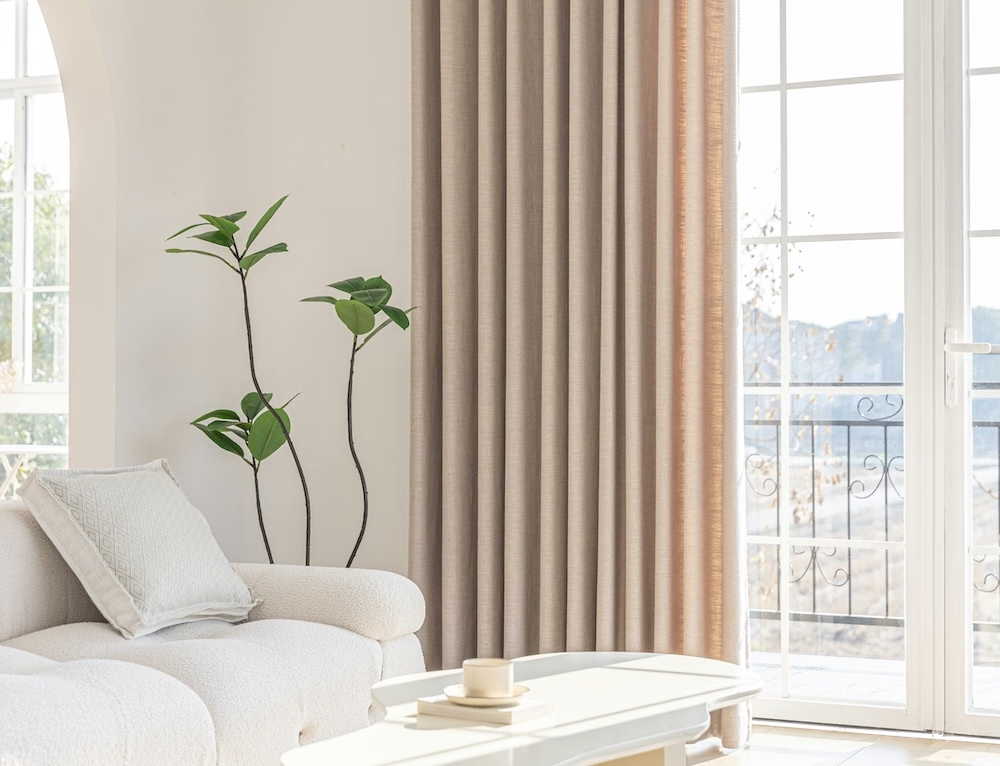
Choosing heavier curtains for winter can help reduce discomfort from drafts while also making the room feel warmer and more inviting. Fabrics such as velvet, wool and other substantial textiles can add insulation without looking like a temporary fix when they suit the rest of the scheme.
Choose functional layers that belong to the existing palette. Full-length lined curtains in a wall-adjacent shade feel integrated, while a woven throw can repeat the colour of a rug or artwork. Store bulky cold-weather pieces together when temperatures rise and keep a few shared textures visible year-round.
Once the source of the draft is repaired, the room can return to its intended arrangement instead of changing character every season.
Comfort gives a layout staying power. When the chair beside the window remains inviting on a cold morning, that once-deserted corner can finally become part of the room again.