
Simple Rituals for Healthier Hands and Nails at Home

Frequent household chores can leave your hands dry, your cuticles rough, and your nails vulnerable to peeling and breakage, making it difficult to maintain healthy-looking hands without constant repairs. If washing, cleaning, and daily tasks keep undoing your nail care efforts, a few simple habits can help restore moisture, prevent damage, and keep your hands looking neat. Discover how to protect your nails and build a manageable hand-care routine that lasts.
The Impact of Daily Household Tasks
Water is one of the biggest sources of everyday stress for hands and nails. Washing dishes, wiping counters, and cleaning bathrooms repeatedly move the skin between wet and dry conditions. Nails absorb some water and expand, then contract as they dry. Over time, these cycles can contribute to peeling, weakness, and breakage.
Housework can also wear down nail polish and roughen the free edge of each nail. Use a fine nail file to smooth small snags as soon as you notice them. File in one direction with light pressure, since aggressive back-and-forth filing may make an existing split worse. Keeping nails at a practical length can reduce the chance of catching them on laundry baskets, cabinet handles, or food packaging.
Pay attention to small changes in your routine. If you wash dishes after dinner, apply hand cream as soon as you finish and keep the tube near the sink. Use a separate soft brush for dirt under the nails instead of scraping with a sharp object. The American Academy of Dermatology’s nail care guidance also recommends leaving cuticles in place because they help protect the nail root from infection.
When hands feel tight after cleaning, treat that sensation as an early sign of dryness. Applying moisturizer promptly is easier than trying to calm cracked skin several days later. Establishing a consistent daily routine reinforces the importance of skin health at home so you can prevent painful irritation before it starts.
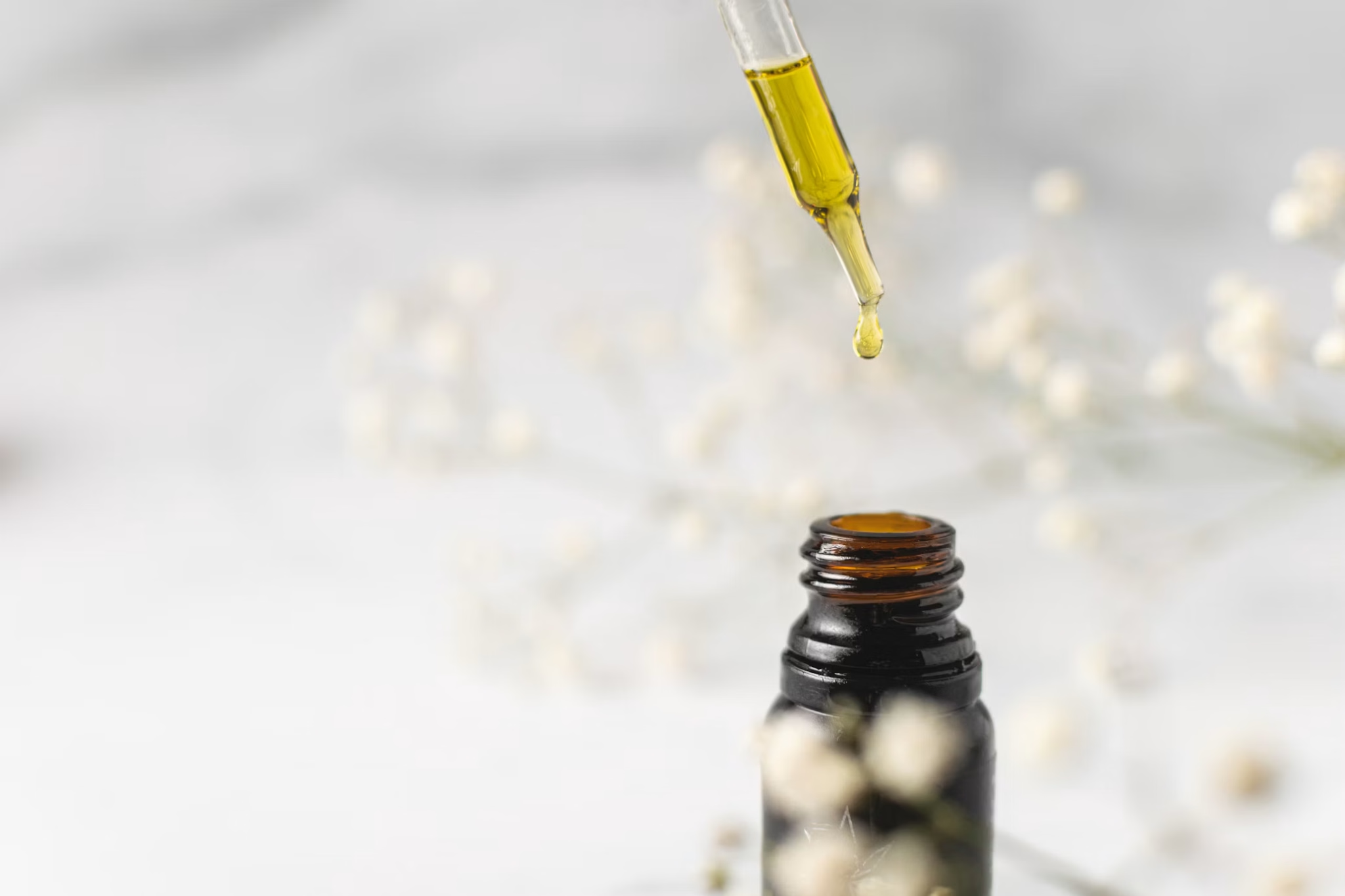
Image Credit: Unsplash
Nourish Cuticles with Plant Oils
Cuticle oil helps soften the dry skin around each nail and makes rough edges less tempting to pick. For a straightforward option, try jojoba, sweet almond, or sunflower oil. Place one small drop at the base of each nail, then massage it into the cuticle and surrounding skin for about 30 seconds. A thin layer is enough, especially if you plan to use hand cream afterward.
The best product is one you’ll apply consistently. Keep a small bottle beside your bed and use it before sleep, when it has time to remain on the skin without being washed away. A simple nightly ritual can be easier to maintain than a lengthy weekly treatment. If fragrance bothers your skin, choose a plain oil with a short ingredient list and test a drop on a small area first.
Home care has limits, particularly when cuticles are overgrown or nails need careful shaping. Residents of Mill Basin and Marine Park can include services from Lucy Lu’s Nail as part of a professional manicure schedule while maintaining moisture between appointments.
Avoid cutting living cuticle tissue at home. Trim only a loose hangnail with clean clippers and don’t pull it, since tearing can open the surrounding skin. If the area becomes swollen, painful, or warm, stop cosmetic treatments and seek advice from a qualified health professional.
Plant oils can also stain fabric or make objects slippery. Apply them after putting away your phone, closing containers, and finishing other bedtime tasks.
Balance Home Care with Professional Work
Home maintenance can extend the neat appearance of a professional manicure, but it shouldn’t involve peeling, prying, or forceful removal. Picking off polish or enhancements may remove surface layers of the natural nail at the same time. Follow the removal method recommended for the product and book professional removal when you’re uncertain.
Before an appointment, check the skin around your nails. Cuts, inflammation, and signs of infection need time to heal. You should also tell the technician about known allergies or past reactions to nail products. Burning, itching, or swelling during or after a service isn’t a normal part of beauty care. The FDA’s information on nail products explains that some ingredients can cause irritation or allergic responses.
Between visits, keep maintenance gentle. Apply cuticle oil once or twice a day, moisturize after washing, and wear gloves for wet chores. If polish chips, smooth any sharp edge without pulling at the remaining coating. Give natural nails attention too, including periods when you aren’t wearing color.
It also helps to arrive at appointments with a clear idea of your daily routine. Someone who types all day, gardens on weekends, or handles packages regularly may be more comfortable with shorter nails and a rounded shape. Bring up those practical details before shaping begins.
Professional services should take place in a clean setting where tools and work surfaces are handled carefully. Don’t hesitate to ask how reusable implements are cleaned. A friendly salon will understand why hygiene matters and should be willing to explain its process clearly.
Protecting Hands from Harsh Cleansers
Wear gloves before your hands enter dishwater or come into contact with household cleaning products. Choose a pair that fits well enough to grip dishes safely, then replace it if the lining stays damp or develops an odor. Cotton-lined household gloves can feel more comfortable during longer tasks, while a separate pair for the bathroom prevents cross-contamination.
Gloves don’t replace careful product use. Read the label, follow dilution directions, and ventilate the room when instructed. Never combine household cleaners unless the manufacturer explicitly says it’s safe. The CDC’s household cleaning advice emphasizes following label directions and using protective equipment recommended on the product.
After removing gloves, wash your hands if needed and pat them dry. Hot water can worsen dryness, so use comfortably warm water and a mild cleanser. Apply a fragrance-free cream while the skin is still slightly damp. Creams and ointments generally stay on dry hands longer than lightweight lotions, making them useful after evening chores.
Look for moisturizer ingredients such as glycerin, petrolatum, ceramides, or dimethicone. During winter, apply a thicker layer before bed and consider wearing clean cotton gloves for 20 to 30 minutes. Stop if heat or sweating makes your skin uncomfortable.
Small placement choices make this habit easier. Keep one moisturizer beside the kitchen sink and another in the bathroom or near your workspace. Clean the tubes periodically if you handle them during food preparation or housework. If cracks persist, bleed, or interfere with everyday tasks, speak with a dermatologist. Ongoing redness and itching may point to contact dermatitis, which often needs more than cosmetic care.
A practical hand-care routine can end with two quiet minutes at bedtime: check for snags, massage oil around the nails, and seal in moisture with cream. Leave the products on your nightstand so the routine remains visible, easy, and connected to something you already do every evening.