Why Modern Stonework Is Redefining Backyard Design

Image Credit: Unsplash
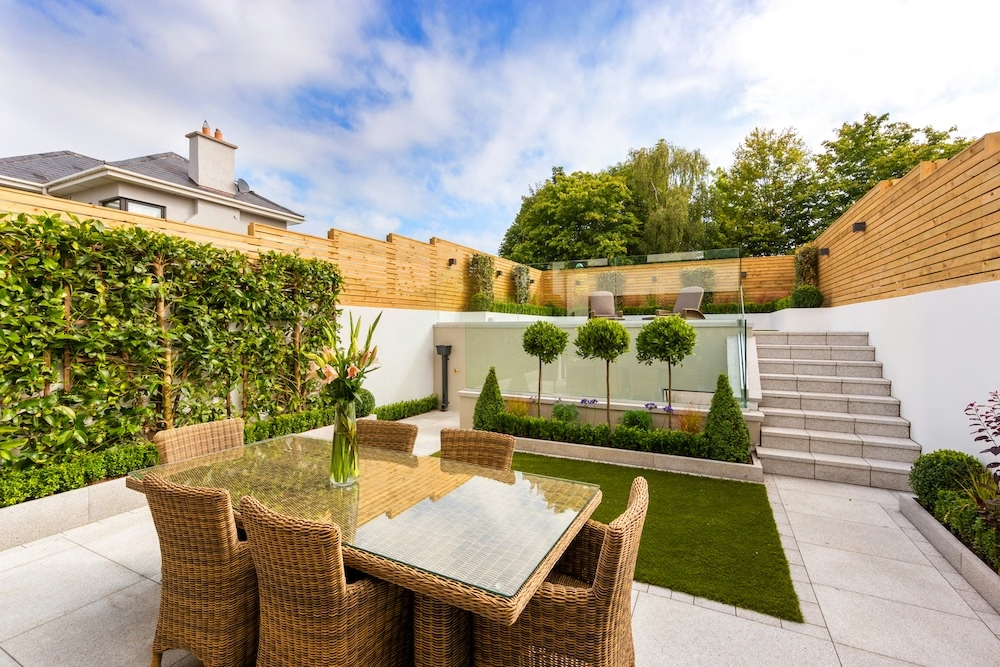
Modern stonework gives backyards the structure, texture and visual continuity once reserved for carefully designed interiors. Patios now flow into garden paths, seating areas and outdoor kitchens with materials chosen to complement the home itself. The result feels considered without becoming formal.
A successful design still depends on practical decisions below the surface. Material thickness, water movement and installation methods determine if those elegant stone features remain attractive after years of weather and regular use.
Beyond Basic Concrete Pavers
Standard pavers remain useful, but homeowners now have a wider range of shapes, finishes and laying patterns to explore. Large-format slabs can make a compact patio feel calmer, while narrow units arranged in a linear pattern suit modern architecture. Current precast paver design also shows how controlled dimensions and varied surface treatments can support clean, contemporary spaces.
Mixing materials adds definition. A border of darker units can frame a dining terrace, while gravel joints soften a stepping-stone path. Keep the palette restrained, usually to two main materials, so the yard doesn’t look fragmented.
Choosing Natural Stone for Longevity
Natural stone brings variation that manufactured products can’t fully duplicate. Each piece has its own mineral markings, color shifts and surface texture. Granite works well where durability and crisp edges matter, while limestone can create a softer appearance around sheltered seating areas. The comparison between natural stone and pavers highlights differences in aging, appearance and long-term character.
Ask a landscape architect to assess how a particular stone fits your home, soil conditions and maintenance expectations. Request full-size samples and view them outdoors when dry and wet. Water often deepens the color and reveals veining that small showroom samples conceal.
Structural Grading and Drainage Essentials
Beautiful stonework can shift, crack or collect standing water when the base and grading receive too little attention. A patio should direct water away from the house using a subtle slope that remains comfortable underfoot. Installers may also need channel drains, permeable joints or a deeper aggregate base depending on the soil and runoff pattern.
Before construction begins, watch the yard during heavy rain. Mark low areas, note where downspouts discharge and photograph persistent puddles. Those observations help the project team place drains and set finished elevations. Soil excavation, compacted base layers and edge restraints should appear clearly in the proposal, since these hidden components support every visible stone.
Translating Architectural Vision into Hardscape
The strongest backyard designs borrow cues from the building. A low horizontal home may call for broad rectangular slabs and long seat walls. Traditional brick architecture can pair naturally with irregular stone, detailed borders or warmer colors. Repeating a material already present on the facade creates a clear connection without copying every architectural detail.
Transitions deserve equal care. The point where an indoor floor meets a terrace should feel deliberate, with compatible proportions and an accessible threshold. Material history can also inspire modern choices. This overview of architectural terracotta shows how an ancient material can take on a fresh role through scale, detailing and placement.
Illuminating Stone Features at Night
Low-voltage lighting reveals texture while making steps, paths and seating walls easier to use after sunset. Place fixtures to graze across a rough stone face, creating gentle shadows that show its natural depth. Recessed lights can mark stair treads, while small fixtures beneath capstones provide a quiet glow around built-in seating.
Avoid placing bright lights at eye level or spacing fixtures in a rigid row. Test temporary lights after dark before approving permanent locations, then check the view from inside the house as well as from the patio. A softly lit specimen tree or textured wall usually creates more depth than flooding the entire yard with equal brightness.
Modern stonework succeeds when every joint, slope and pool of light supports how the backyard will actually be used. Once night falls, the best designs still guide you naturally from the back door to the table, steps and garden beyond.