Is Your Bedroom Layout Secretly Sabotaging Your Sleep?

Image Credit: Unsplash
A bedroom can look beautifully styled and still work against a good night’s sleep. Awkward furniture placement, light from a nearby window and clutter within your sightline may keep the space feeling active when your mind needs to settle. Even small inconveniences, such as squeezing past a bedside table or reaching too far for a lamp, can make the room less comfortable. A thoughtful bedroom layout supports natural movement, reduces stimulation and creates a clear distinction between daytime activity and rest.
The Ergonomics of Restful Sleep
Good bedroom ergonomics begin with enough space to move safely and comfortably. Aim to leave about 60 to 75 centimetres around the accessible sides of the bed, where room dimensions allow. This provides space for changing bedding and prevents the room from feeling cramped.
Keep frequently used items within easy reach. A bedside lamp, glass of water and alarm clock should sit close enough that you don’t have to twist or stretch. The mattress height also matters. When you sit on the edge, your feet should rest comfortably on the floor and your knees should sit at roughly hip level. For more ideas, this guide to quality sleep design explains how the wider room scheme can support rest.
Where to Position the Bed Frame
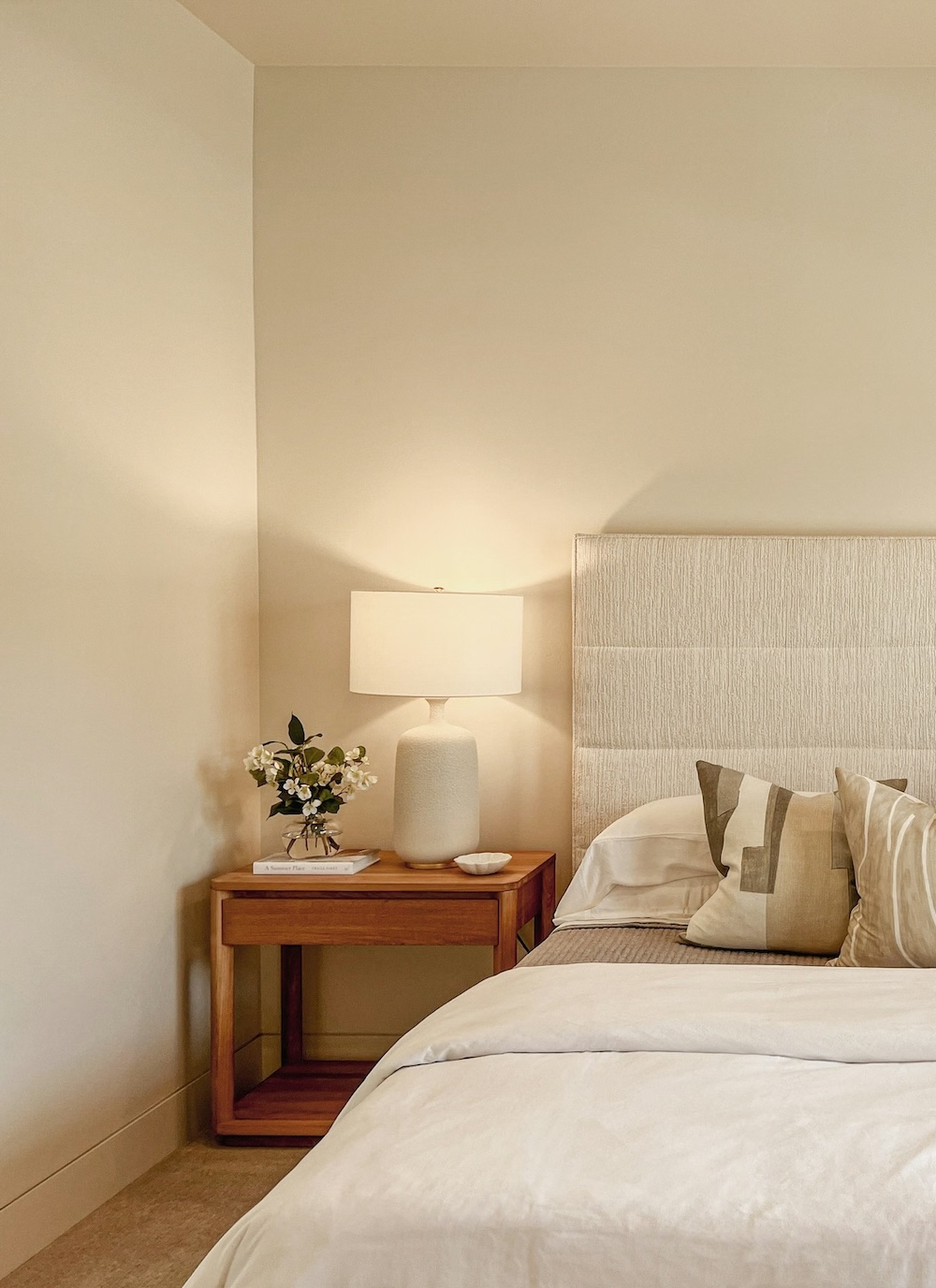
Place the bed against a solid wall if possible, with a clear view of the door but without positioning it directly in the doorway’s path. This arrangement often feels settled and prevents passing light from reaching your face whenever the door opens. A headboard beneath a window may work in a small room, though draughts, street noise and early sunlight can interfere with sleep.
Before moving heavy furniture, sketch the room and mark windows, radiators, sockets and door swings. Spoak’s bed placement ideas offer useful examples for rooms with difficult proportions. You can also outline the proposed bed footprint on the floor with masking tape, then check that drawers and wardrobe doors still open fully.
Finding Your Match at a Dedicated Furniture Store
Test the bed and mattress together before deciding on dimensions. A tall mattress on a high frame may make getting in and out uncomfortable, while a low combination can prove awkward for anyone with limited mobility. If you’re shopping in the Norcross area, visiting a dedicated furniture store lets you compare furniture and mattresses in person and see how their proportions work together.
Bring your room measurements, including ceiling height and the width of all access points. Note the position of skirting boards and low windows too. A king-size bed may technically fit, yet a double or queen-size option could leave better circulation space and allow for useful bedside storage.
Controlling Visual Noise and Clutter
Your final view before sleep should feel calm and uncomplicated. Open shelving packed with objects, a chair covered in clothes or visible work equipment can keep unfinished tasks in mind. Move paperwork and exercise equipment out of the bedroom where possible, then use drawers, baskets or an ottoman bed to contain everyday items.
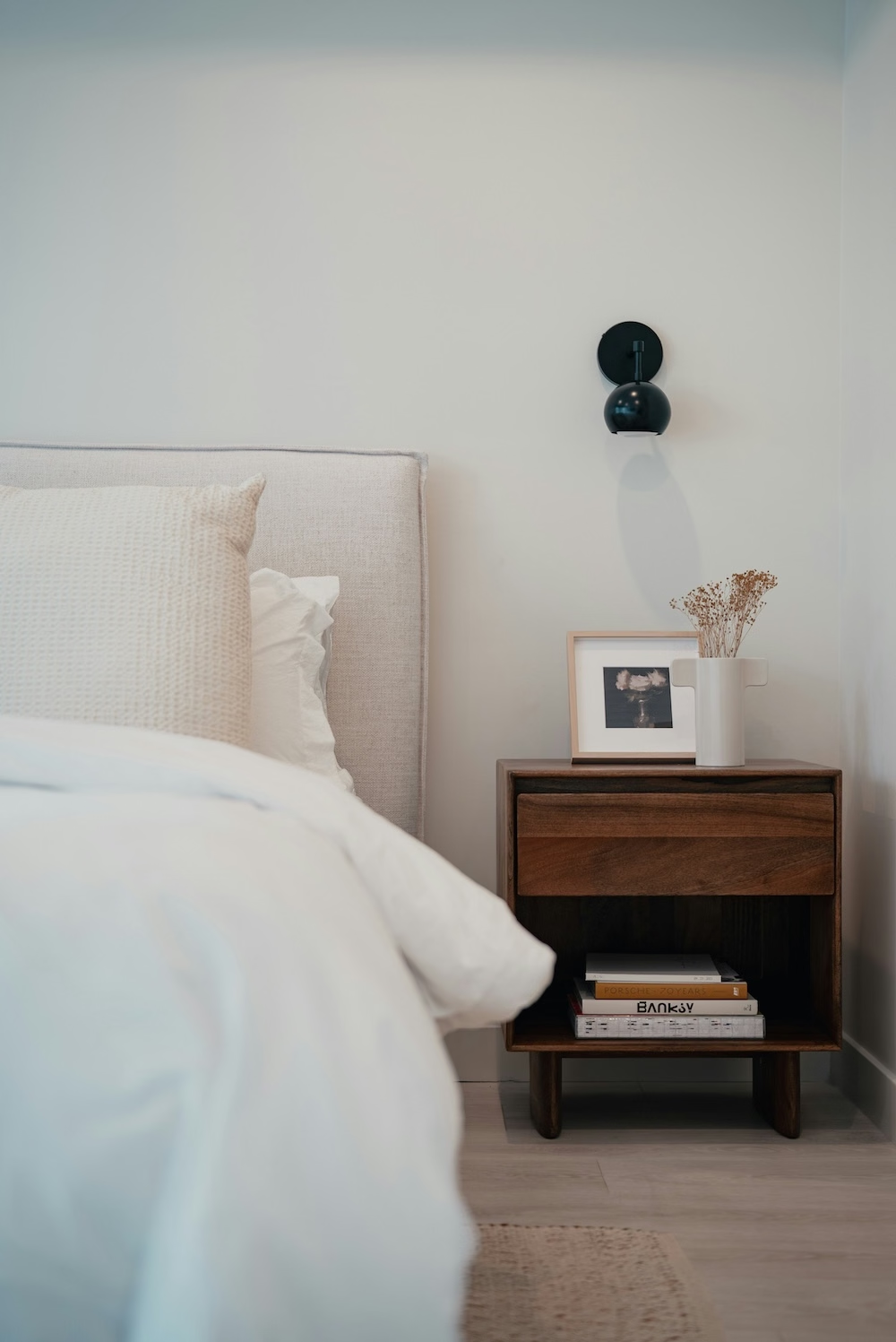
Pay particular attention to the view from the pillow. Keep that area visually quiet with one artwork, soft wall colour or a simple curtain. Charging cables can be clipped behind a bedside table, whilst laundry needs a basket with a lid. Leave enough clear floor space to walk from the bed to the door without stepping around bags or furniture, especially in low light.
Regulating Temperature and Darkness
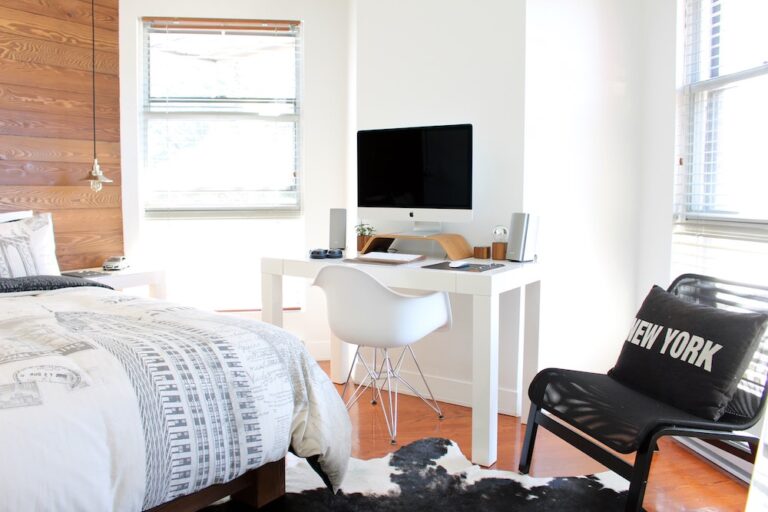
A comfortable layout should support airflow and block unwanted light. Avoid pressing the bed against a radiator or placing a large chest where it obstructs a vent. If the room feels stuffy, create a small gap between furniture and the wall, then open internal doors during the day to improve circulation.
The bedroom changes for sleep recommended by Stanford Lifestyle Medicine include creating a cool, dark environment and removing electronic distractions. Use lined curtains or blinds when outdoor lighting reaches the bed, and cover bright standby lights. Choose warm, low-level bedside lighting for the hour before sleep, with switches accessible from bed.
Once the room is dark, stand at the doorway and look for clear walking routes, glowing devices and furniture corners that interrupt the path. Then lie down and check the view from the pillow. That simple change of perspective often reveals the one lamp, cable or misplaced table that needs attention.