How to Use AI to Run a Small Business: 14 Practical Ways to Save Time and Money

From marketing and customer outreach to website management and business analysis, artificial intelligence is becoming one of the most useful tools available to small business owners.
Running a small business often means doing the work of several people. You’re responsible for marketing, customer service, sales, administration, and sometimes even photography and graphic design. Hiring specialists for every task isn’t always financially realistic. This is where artificial intelligence can make a significant difference. Tools such as ChatGPT, Canva, and Runway can help small business owners accomplish tasks that previously required considerable time, technical knowledge, or external assistance.
And AI is no longer limited to writing text. With connected applications, it can also help you work directly with business information and software. Here are 14 practical ways to start using AI in your business.
1. Find Potential Clients and Business Partners
AI can help research potential customers, distributors, retailers, journalists, influencers, and business partners.
Instead of spending hours searching for contacts, you can ask AI to identify relevant companies and organize your research.
Example prompt:
“Find 20 magazines and online publications that might feature a small independent lifestyle brand. Include their websites, editorial focus, and publicly available contact information.” Always verify contact details before sending outreach.
2. Write and Manage Business Emails
Writing personalized emails can consume a surprising amount of time. AI can help draft collaboration proposals, customer responses, supplier inquiries, and follow-up messages. When connected to supported email applications, it may also help search correspondence, prepare drafts, and organize outreach.
My experience: I recently used ChatGPT to prepare personalized proposals for magazines. What would previously have taken several days of manual work allowed me to contact dozens of publications in a single day.
The key is to review messages before sending them, particularly when they involve commitments or negotiations.

3. Create Professional Marketing Materials
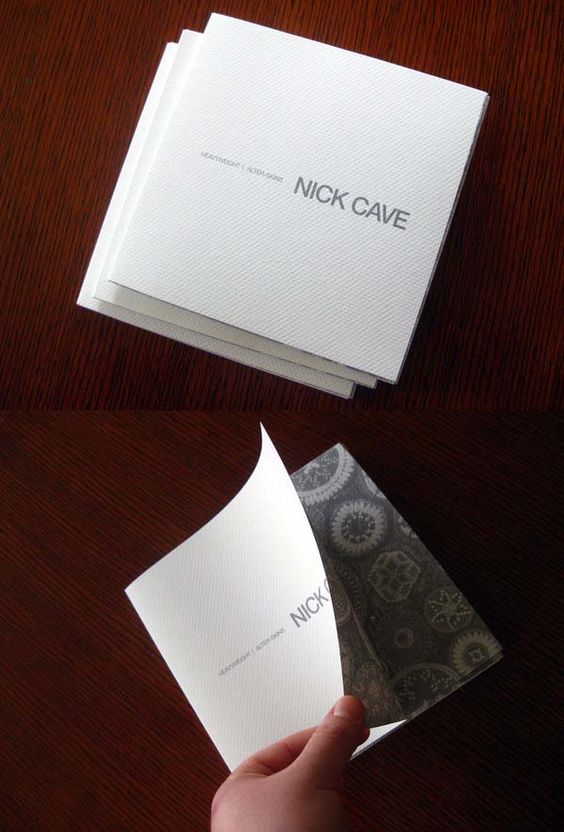
Small businesses frequently need brochures, presentations, media kits, promotional flyers, and product catalogs. AI can help develop the content, organize the layout, and prepare materials for publication. For example, you can create a professional media kit containing your company story, product photographs, contact information, and collaboration opportunities. Tools such as ChatGPT and Canva make it possible to produce polished marketing materials without starting every project from scratch.

4. Improve Your Website and SEO
AI can help identify opportunities to improve your website’s visibility in search engines. Typical applications include:
- Writing SEO-friendly product descriptions.
- Improving page titles and meta descriptions.
- Creating image alt text.
- Identifying relevant keywords.
- Improving website structure and internal links.
If your website runs on Shopify or another supported platform, connecting the appropriate application may allow AI to help with actual store updates, subject to available permissions. This can save substantial time when managing large product catalogs.
5. Write Blog Articles to Attract Customers Through Google
One of the most valuable long-term uses of AI is creating useful content for your business website. A regularly updated blog can help your website appear in Google searches, attract potential customers, and establish your expertise. AI can assist with researching topics, identifying search keywords, structuring articles, writing drafts, and preparing SEO titles and descriptions. For example, a restaurant owner could publish local food guides, while an interior designer might write about renovation costs, decorating trends, or choosing materials.
My experience: I’m currently using ChatGPT to develop articles for my own lifestyle blog, combining AI-assisted research and writing with my professional knowledge and personal experiences. The important part is adding genuine expertise and original information. Publishing large quantities of generic AI-generated articles is unlikely to build a strong, trustworthy website.
Example prompt:
“Suggest 15 blog topics for my business that potential customers might search for on Google. Prioritize useful, specific topics and explain the search intent behind each one.”
6. Improve Your Google Business Profile
For businesses with a physical location or local customers, Google Business Profile is an important marketing channel. AI can help you keep your profile active and informative without spending hours preparing content.
You can use it to:
- Draft regular Google Business Profile updates.
- Write announcements about new products, services, or events.
- Prepare professional, personalized responses to customer reviews.
- Improve business descriptions and service information.
- Suggest frequently asked questions and helpful answers.
- Develop a monthly calendar of local promotional posts.
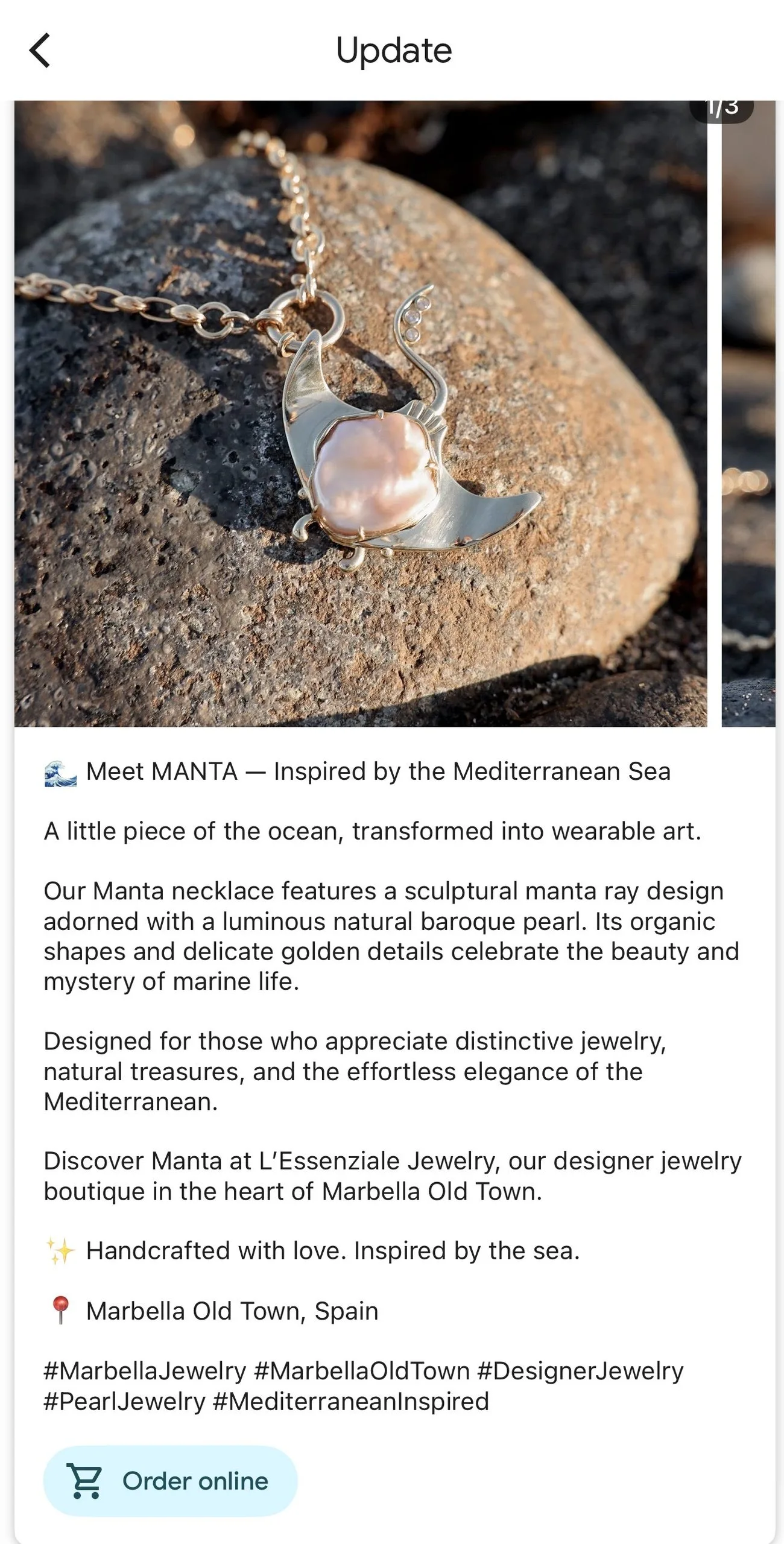
For example, a boutique could publish updates about a new collection, a seasonal promotion, or an upcoming workshop.
AI can prepare the text and help organize photographs. Publishing directly to Google Business Profile requires a compatible integration or publishing tool; otherwise, updates can be reviewed and posted manually.
Example prompt:
“Create four Google Business Profile updates for my boutique this month, highlighting new arrivals, our location, and an upcoming event. Keep each update informative, natural, and suitable for local customers.” Consistent, accurate profile information and authentic customer reviews are especially important for local visibility. AI-generated posts alone do not guarantee better Google rankings.
7. Enhance Product Photography
Professional photography is expensive, particularly when products change frequently. AI image tools can help improve lighting, remove distracting backgrounds, adjust compositions, and create lifestyle images. For online retailers, this can make product presentation more consistent. However, accuracy matters. AI-generated images should not misrepresent the product’s color, size, materials, or details.

8. Create Videos for Instagram and TikTok
Video content is increasingly important for digital marketing, but producing it regularly can be demanding. Tools such as Runway can help transform still images into short videos, create animated scenes, and develop visual concepts. I’ve experimented with Runway to create promotional content for Instagram and TikTok using existing product photography. For a small business, this opens up creative possibilities without requiring a full production team.
9. Plan Social Media Content
AI can help develop a consistent content strategy rather than deciding what to post every morning. You can ask it to prepare a monthly content calendar with ideas for posts, reels, stories, and promotional campaigns.
Example prompt:
“Create a 30-day Instagram content calendar for a small independent business. Balance educational posts, behind-the-scenes content, product promotion, and customer engagement.” You can then adapt the suggestions to your brand’s personality.

10. Analyze Sales and Identify Problems
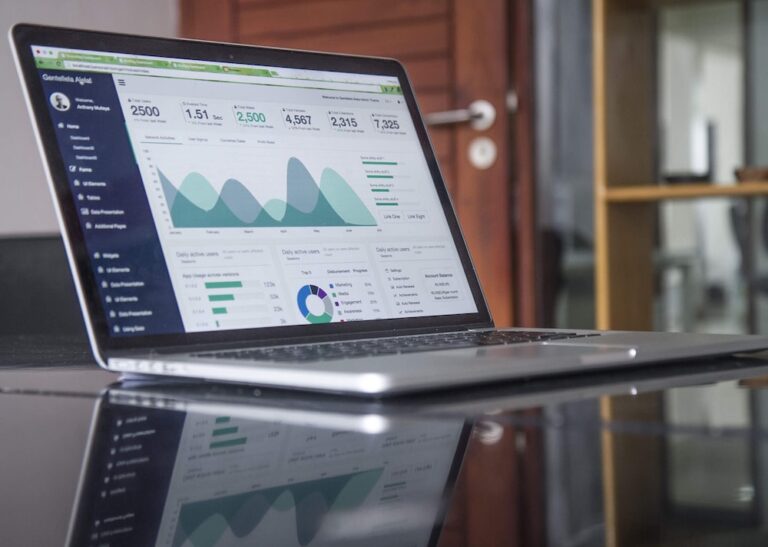
One of the most valuable applications of AI is business analysis. Upload a spreadsheet containing sales information and ask AI to identify patterns.
For example:
“Analyze these sales figures. Which products generate the most revenue? Which have the lowest sales? Are there seasonal trends? What should I investigate before placing my next stock order?” AI can help identify underperforming products, changes in demand, and potential opportunities. The quality of the conclusions depends on the accuracy and completeness of your data.
11. Research Competitors and Market Trends
Understanding competitors is essential, but researching the market takes time. AI can help compare pricing, product ranges, positioning, and marketing approaches using information you provide or publicly available sources. It can also summarize industry reports and highlight emerging trends.
Example prompt:
“Analyze five competitors in my industry. Compare their positioning, pricing, target customers, and marketing strategies. Identify potential opportunities for differentiation.”
Treat the results as research to verify, not as guaranteed market intelligence.
12. Improve Customer Service
AI can help prepare answers to frequently asked questions about delivery, returns, appointments, and product information. Businesses can also use AI-powered customer support systems to handle routine inquiries. For more complicated situations, such as complaints or refunds, human supervision remains important. The goal should be faster and more consistent service, not removing personal attention.
13. Organize Daily Administration
Small business owners spend considerable time on tasks that don’t directly generate revenue. AI can help summarize documents, organize meeting notes, compare supplier quotations, prepare checklists, and draft standard operating procedures. It can also assist with spreadsheets, invoices, and financial reports.
For example, you could provide quotations from three suppliers and ask AI to compare prices, delivery terms, and minimum order quantities.
14. Connect AI to Your Business Applications
Perhaps the most significant development is the ability to connect AI assistants with applications you already use. Depending on the platform, available integrations, and permissions, AI can help you work across email, e-commerce systems, calendars, and business documents. This is different from simply asking ChatGPT to write a product description.
With an appropriate Shopify connection, for example, AI may help review product information and make approved changes directly. With email access, it can help retrieve correspondence and prepare responses using the actual conversation history. Some workflows can also be automated or scheduled. Not every integration supports every action, and sensitive changes should require appropriate authorization.
What Should Small Business Owners Be Careful About?
AI is powerful, but it isn’t infallible. It can invent information, misunderstand instructions, make incorrect calculations, or produce inaccurate images. Before relying on AI-generated work, remember to:
- Verify important facts and financial calculations.
- Review customer-facing communications.
- Protect confidential business and customer information.
- Check permissions before connecting business accounts.
- Maintain human oversight of payments, refunds, and other consequential decisions.
AI should support business judgment rather than replace it.
Final Thoughts: A New Advantage for Small Businesses
For years, larger companies have benefited from dedicated marketing departments, analysts, designers, and administrative teams. AI is making some of these capabilities more accessible to smaller businesses. A business owner can now research potential partners, prepare marketing materials, improve a website, publish blog content, maintain a Google Business Profile, analyze sales, and create promotional videos using a relatively small collection of tools.
From my own experience, the biggest change came when I stopped treating AI simply as a writing assistant and started exploring how it could help with actual business operations. The technology doesn’t eliminate the work involved in running a business. But it can reduce the time spent on repetitive tasks and make specialized capabilities more accessible.
The real opportunity isn’t to automate everything. It’s to spend less time on administration and more time developing your business.