Does Your Vanity Lighting Change How You Look?

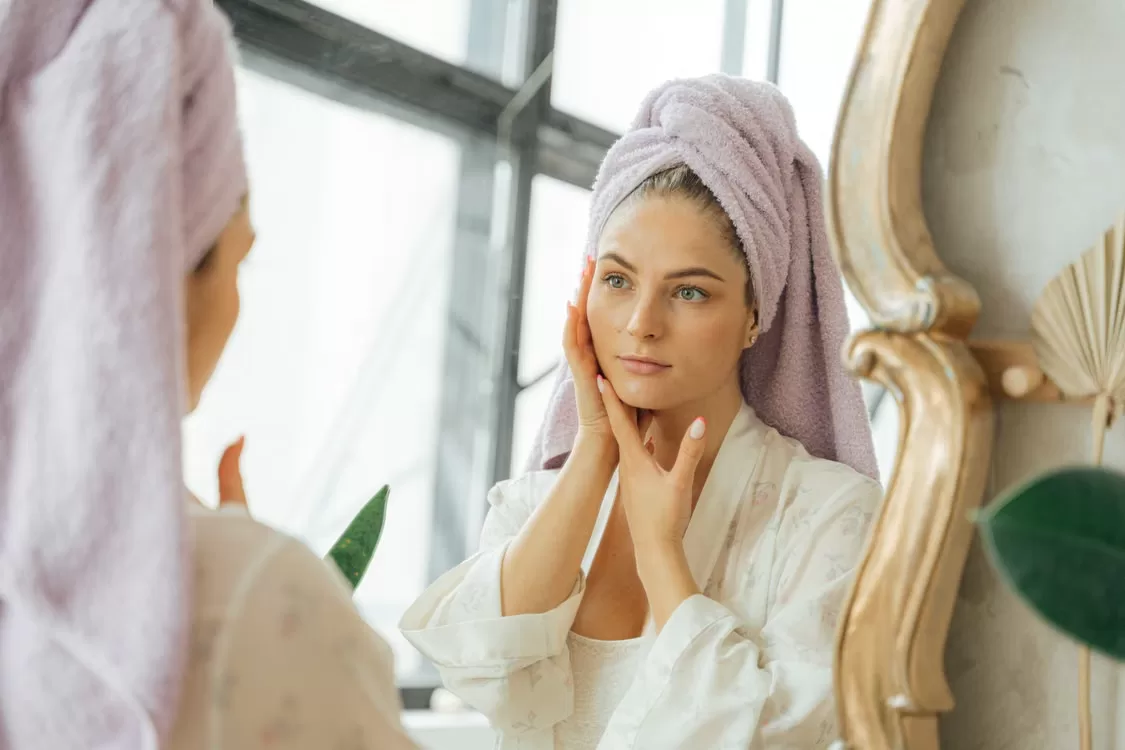
Image Credit: Pexels
Vanity lighting can change the colors, shadows, and textures you see on your face. A warm bulb may soften redness, while a cool overhead fixture can emphasize fine lines and under-eye shadows. Neither view necessarily reflects how you look in daylight. Understanding these effects helps you apply makeup more accurately, evaluate skin changes, and avoid worrying about features created mainly by poor lighting.
The Problem With Harsh Bulbs
A single exposed bulb above the mirror casts downward shadows around the eyes, nose, and mouth. Very bright cool-white bulbs may also make skin look pale or uneven. For a clearer view, place diffused lights on both sides of the mirror at roughly face height.
Color temperature matters too. This color temperature guide explains how values measured in kelvins affect a room’s appearance. A neutral range near 3000K to 4000K generally works well at a vanity. For fixture placement ideas, this guide to makeup vanity mirror lights covers practical options.
Lighting also plays a role when you’re exploring cosmetic treatments and considering possible results. Digital previews that let you see your botox results before you buy may help you visualise a potential change, but they cannot guarantee the outcome of an actual treatment. Use previews as a starting point for discussion, and ask a qualified clinician about realistic results, individual suitability and potential side effects before making a decision.
Understanding Color Rendering
Color rendering describes how accurately a light source reveals colors compared with a natural reference source. The Color Rendering Index, usually shortened to CRI, uses a scale up to 100. A bulb with a CRI of 90 or higher can make foundation shades, redness, and subtle discoloration easier to assess.
This overview of the Color Rendering Index offers more detail on how the rating works. Check the bulb packaging for both CRI and color temperature since brightness alone tells you little about color accuracy. Diffused LED bulbs can provide even illumination without the heat produced by many older bulb types.
Spotting Subtle Facial Changes
Use the same location, lighting, and distance when monitoring a spot, patch of irritation, or gradual facial change. Stand directly in front of the mirror and check your skin in neutral vanity light, then look again near a window during the day. This comparison helps reveal which shadows come from the fixture.
Photos can provide a more consistent record. Use the same camera, turn off beauty filters, and keep your expression relaxed. Take images no more often than once a week unless a clinician requests otherwise. Daily comparisons can make normal fluctuations from sleep, hydration, and temporary irritation seem more significant than they are.
Avoid inspecting skin with a powerful magnifying mirror for long periods. Magnification is useful for precise grooming, but it shows pores and texture at a level other people don’t see during ordinary conversation.
Moving From Mirror to Clinic
A mirror can help you notice a change, but it can’t explain what caused it. Contact a licensed medical professional if a mark changes in size, shape, or color, if irritation persists, or if swelling and discomfort appear without a clear reason. Seek prompt care for sudden facial weakness, severe swelling, or difficulty breathing.
For elective aesthetic care, bring clear photos and explain when you first noticed the concern. Ask how lighting, facial movement, and normal asymmetry may affect what you see. A reputable clinician should review your medical history, discuss expected results, and explain possible side effects before treatment. If the concern disappears when you move from overhead light to daylight, adjust the vanity setup first and reassess it after several days.
Your reflection should look reasonably consistent from morning preparation to natural daylight. Neutral bulbs, face-level illumination, and a clean mirror create a much more dependable reference than one bright ceiling fixture.