Personalized Home Details: Styling Keepsakes with Timeless Elegance

Personal keepsakes bring history, character and emotional warmth into a home. The challenge is displaying them in a way that feels intentional without turning shelves and tabletops into crowded collections. A thoughtful mix of placement, color and protective storage allows photographs, inherited objects and handmade pieces to become part of the room’s design while preserving the stories they carry.
Image credit Unsplash
The most elegant arrangements usually begin with a few meaningful objects and enough open space for each one to be noticed.
Begin With the Story You Want to Tell
Before moving objects around, decide which memories belong in the room. A living room might hold family photographs and pieces connected to shared celebrations, while a home office may suit a mentor’s letter, a graduation memento or an object that recalls a major career milestone.
Start by gathering possible items in one place. Look at their colors, sizes and materials, then choose three to five pieces that share a visual or emotional connection. An old photograph, a small ceramic dish and a handwritten recipe can tell a clearer family story together than 15 unrelated objects spread across a bookcase.
Consider the condition of each piece as you edit. The care of family treasures often depends on protection from strong light, moisture and sudden temperature changes. A delicate paper item may need framing, while a sturdy wooden object can usually sit safely on a shelf.
You don’t have to display every keepsake at once. Store the remaining pieces in labeled, acid-free boxes and rotate the display every few months. This keeps the room visually calm and gives you a chance to revisit objects that might otherwise disappear into permanent storage. Seasonal rotation also works well for holiday photographs, travel souvenirs and family celebration pieces.
Choose Displays That Suit the Keepsake
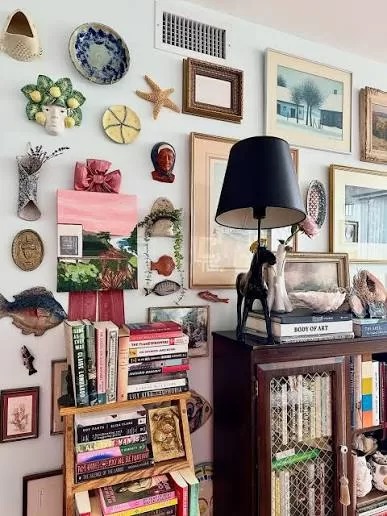
The display method should support the object’s size, material and meaning. Framed photographs work well in small groups, but mixing too many frame styles can make the arrangement feel unsettled. For a collected look, repeat one feature across the group, such as warm wood, thin black edges or matching cream mats.
Three-dimensional keepsakes need a little more breathing room. A shadow box can protect a letter, fabric piece or pressed flower while giving it the presence of artwork. Glass cloches suit small sculptural objects, and shallow trays help organize several related items on a coffee table or console.
Some pieces carry particular emotional weight around anniversaries and holidays. Personalized memorial ornaments can be displayed on a seasonal tree, hung from a simple tabletop stand or placed inside a shadow box after the holidays. Choosing one visible location gives the piece dignity and makes it easy for family members to pause and remember.
Before mounting anything, use removable paper templates to test its position. Tape outlines to the wall and view them from across the room. This simple trial reveals whether an item is too high, too small or competing with nearby furniture. For small framed pieces above a console, leaving 4 to 8 inches between the furniture and the lowest frame often creates a comfortable visual connection.
Create Balance Without Losing Personality
A keepsake display feels polished when it has a clear focal point. Choose the largest or most visually distinctive piece first, then arrange smaller objects around it. On a shelf, that might mean placing a framed portrait slightly off-center with a low dish and a stack of books nearby. Varying height keeps the eye moving, while a repeated color ties the grouping together.
Use negative space as part of the composition. A shelf filled from edge to edge gives every object equal visual weight, so meaningful pieces can get lost. Leaving roughly one-third of the surface open is a useful starting point, though the exact amount will depend on the scale of the furniture.
The surrounding room should guide your material choices. Brass frames may echo a nearby lamp, while a pale wooden box can pick up the tone of a dining table. For more ways to connect small decorative choices throughout a room, these interior design details offer useful ideas for creating continuity.
Avoid arranging every item at the same height. Place one taller piece toward the back, a medium object near the center and something low in front. Odd-numbered groupings often feel natural, but they aren’t a strict rule. Two objects can look beautifully balanced when their scale and shape differ enough to create interest.
Protect Fragile Pieces From Everyday Damage
Good styling should never shorten the life of a keepsake. Sunlight can fade photographs, textiles and paper, so avoid placing vulnerable pieces on a bright windowsill or directly opposite an uncovered window. The effects of light on collections are cumulative, which means fading can continue even when the daily exposure seems minor.
Humidity also matters. Bathrooms, unfinished basements and areas near kitchen steam are poor locations for paper, untreated wood and metal objects. An interior wall in a stable living area is usually a safer choice. If a piece feels damp, develops an odor or shows signs of mold, move it away from other objects and consult a conservator before attempting to clean it.
Handle photographs and documents with clean, dry hands, holding them by the edges whenever possible. Use acid-free mats, backing boards and storage materials. Ordinary tape, rubber cement and self-adhesive albums may discolor paper or become difficult to remove over time. The American Institute for Conservation provides guidance for finding trained help when an item is valuable, badly damaged or made from an unfamiliar material.
Dust displays gently with a soft brush or dry microfiber cloth. Skip household sprays on old finishes, painted surfaces and frames unless you know the material can tolerate them. A small acrylic riser or felt pad can also protect both the keepsake and the furniture beneath it.
Work Keepsakes Into Different Rooms
Keepsakes don’t need to live only on a mantel. Spreading a few pieces through the home makes them feel like a natural part of daily life. The key is matching each item to the room’s purpose and conditions.
In an entryway, a framed family photograph or inherited bowl can create a personal welcome without taking up much space. A bedroom may suit quieter objects, such as a small portrait, a textile made by a relative or a letter placed in a tabletop frame. Kitchens can hold durable items like a family recipe in a protected frame, vintage utensils, or a ceramic piece passed down through generations.
Bookshelves offer plenty of flexibility. Place a small object on top of two or three horizontal books to lift it into view, then leave space around the grouping. Closed glass cabinets are useful for delicate objects because they reduce dust and accidental handling while keeping the contents visible.
Children’s artwork can also receive the same thoughtful treatment as older heirlooms. Select one or two pieces for simple frames and store the rest in a dated portfolio. Advice on preserving family papers can help you choose safer folders, sleeves and boxes for drawings, cards and handwritten notes.
As you place items, look at the room from its doorway. That distance makes it easier to spot crowded areas and displays that lack a clear center.
Let the Collection Change Over Time
A personal interior should have room to evolve. New photographs arrive, inherited objects find their way into the family, and some pieces become more meaningful after a life change. Treating a display as flexible helps it remain connected to your current life.
Review keepsakes once or twice a year. Remove anything that feels included only from obligation, then check displayed items for fading, dust or loose frame hardware. If several family members share the home, invite them to choose an object for the next arrangement. Their selections may reveal stories that haven’t been discussed before.
Documentation adds another layer of value. Write down names, dates and short explanations, then keep the notes with stored items or attach them to the back of frames using an archival sleeve. A beautiful object can lose much of its personal meaning when the next generation doesn’t know where it came from.
Leave the final arrangement slightly imperfect. A handwritten note beside a polished frame or a child’s clay figure near an antique box creates the warmth that showroom styling often lacks. The best keepsake display is the one that encourages someone to stop, look closely and remember why that small object earned its place in the room.