Unlock Your Bathroom’s Potential with Clever Storage

Bathroom clutter can make even a well-designed room feel cramped and difficult to use. Toiletries gather around the sink, spare towels fill awkward corners and everyday items disappear into deep drawers. A more practical storage plan gives each object a logical home while keeping the room comfortable, attractive and easy to clean.
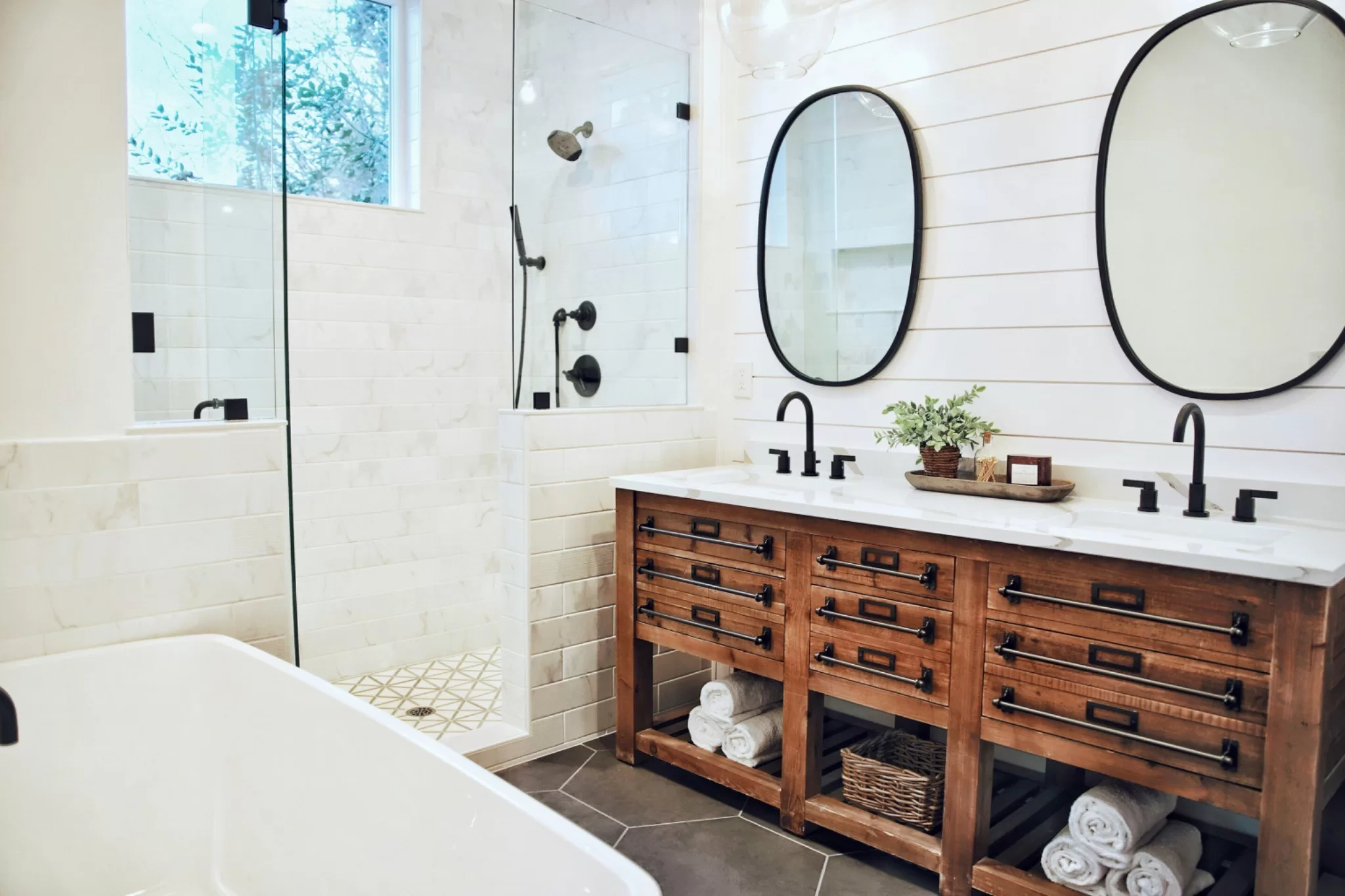
Image Credit: Unsplash
Declutter for a Calmer Space
Empty cabinets and drawers before buying organizers. Group similar items, discard expired products and move bulk supplies to another closet if bathroom space is limited. Keep only the products you use regularly within immediate reach.
Many effective small bathroom storage ideas begin with overlooked areas such as shallow wall recesses and the space above the toilet. Before filling those areas, decide what truly belongs in the room. A simple set of categories can help:
- Daily toiletries
- Towels and linens
- Cleaning supplies
- Backup products
Assigning one storage zone to each category prevents unrelated items from becoming mixed together again.
Maximizing Vertical Space
Walls offer useful capacity without reducing the open floor area. Install floating shelves above the toilet, add a narrow cabinet beside the mirror or fit hooks to the back of the door. Leave enough open walls visible so that the room doesn’t feel crowded.
Practical guidance on using vertical space also applies inside cabinets. Stackable bins make better use of tall shelves, while shelf risers create a second level for folded washcloths or small containers. Place lighter, less frequently used supplies on higher shelves. Everyday products should stay between waist and eye level, where you can retrieve them without moving other items first.
Integrated Vanity Storage
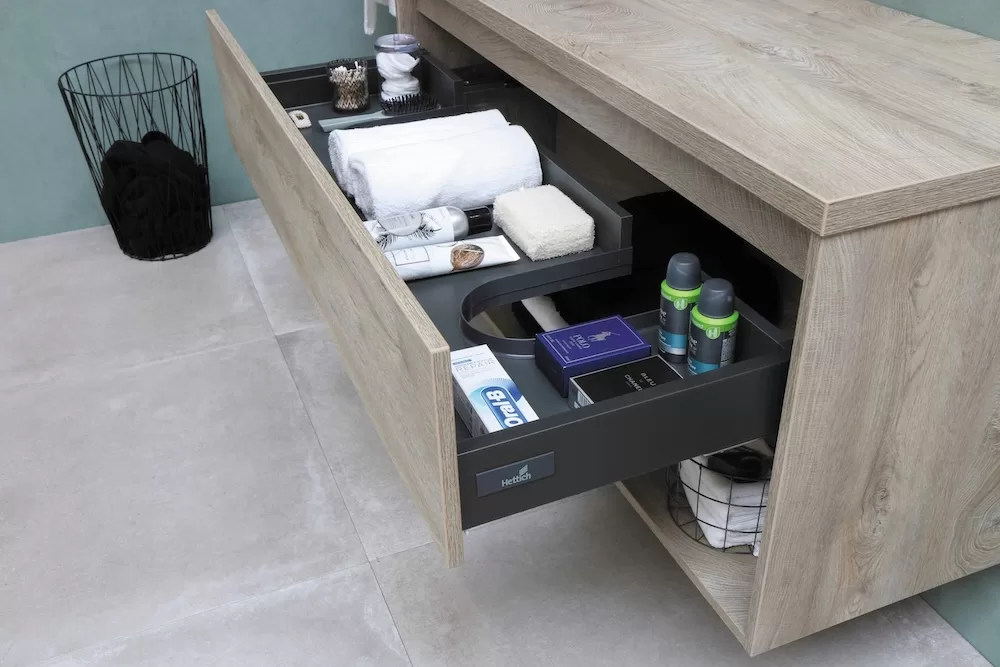
A vanity can handle much of the room’s storage when its interior matches your routines. Shallow top drawers suit toothbrushes, combs and skin care products, while deeper drawers can hold towels or spare toiletries. Internal dividers stop smaller items from sliding into a jumble.
In a shared or family bathroom, a double basin vanity unit can provide separate washing areas alongside generous storage. Consider how the drawers and cabinets will open when two people are using the room. Wall-hung models can make the floor easier to clean, while freestanding designs may suit a more traditional interior. Measure plumbing positions, door clearance and available wall width before selecting a size.
Hidden Solutions for a Clean Look
Closed storage keeps colorful packaging out of sight and makes surfaces easier to wipe down. A mirrored cabinet can hold medicine, grooming tools and small bottles without taking up additional wall space. Recessing it between wall studs creates an especially tidy finish, though this work may require professional installation.
Use the inside of cabinet doors for slim organizers that hold hair accessories or cleaning cloths. A built-in laundry basket can also free up floor space, provided it has ventilation. If you’re renovating, ask about adding a recessed niche beside the bath or shower. Keep its depth modest and include a slight slope so water drains away instead of collecting around bottles.
Organizing for Daily Ease
Storage should reflect the order in which you use the room. Place morning essentials together in a shallow tray, keep fresh towels near the shower and store cleaning products close to the surfaces they’re intended for. Clear or labeled containers help family members return everything to the correct place.
Check that containers fit before purchasing them. Measure the width, depth and height of every shelf or drawer, including any space occupied by hinges and plumbing. In deep drawers, use smaller removable bins instead of one large organizer. You can lift out a single category without disturbing the rest. Leave a little spare capacity too, since tightly packed storage quickly becomes inconvenient and is harder to keep tidy.
A useful bathroom storage plan starts with the areas that cause the most daily frustration. Clear the countertop first, then assess which wall, vanity or concealed space can absorb the items you still need nearby, which is one of many tips for small spaces. The result should leave frequently used products easy to reach and enough open space for the room to feel restful.