Styling Your Living Space with Historic Travel Keepsakes

Travel keepsakes can turn a polished living room into a personal record of the places, people and traditions that have shaped you. The most inviting displays feel collected over time, with each object given enough space to be noticed. A faded map, handwoven textile or small ceramic bowl can carry more character than a shelf full of generic accessories.
Thoughtful travel-inspired decor also makes it easier to remember the details behind each trip. The key is to edit carefully, protect fragile pieces and connect older objects with the colors and materials already present in your home.
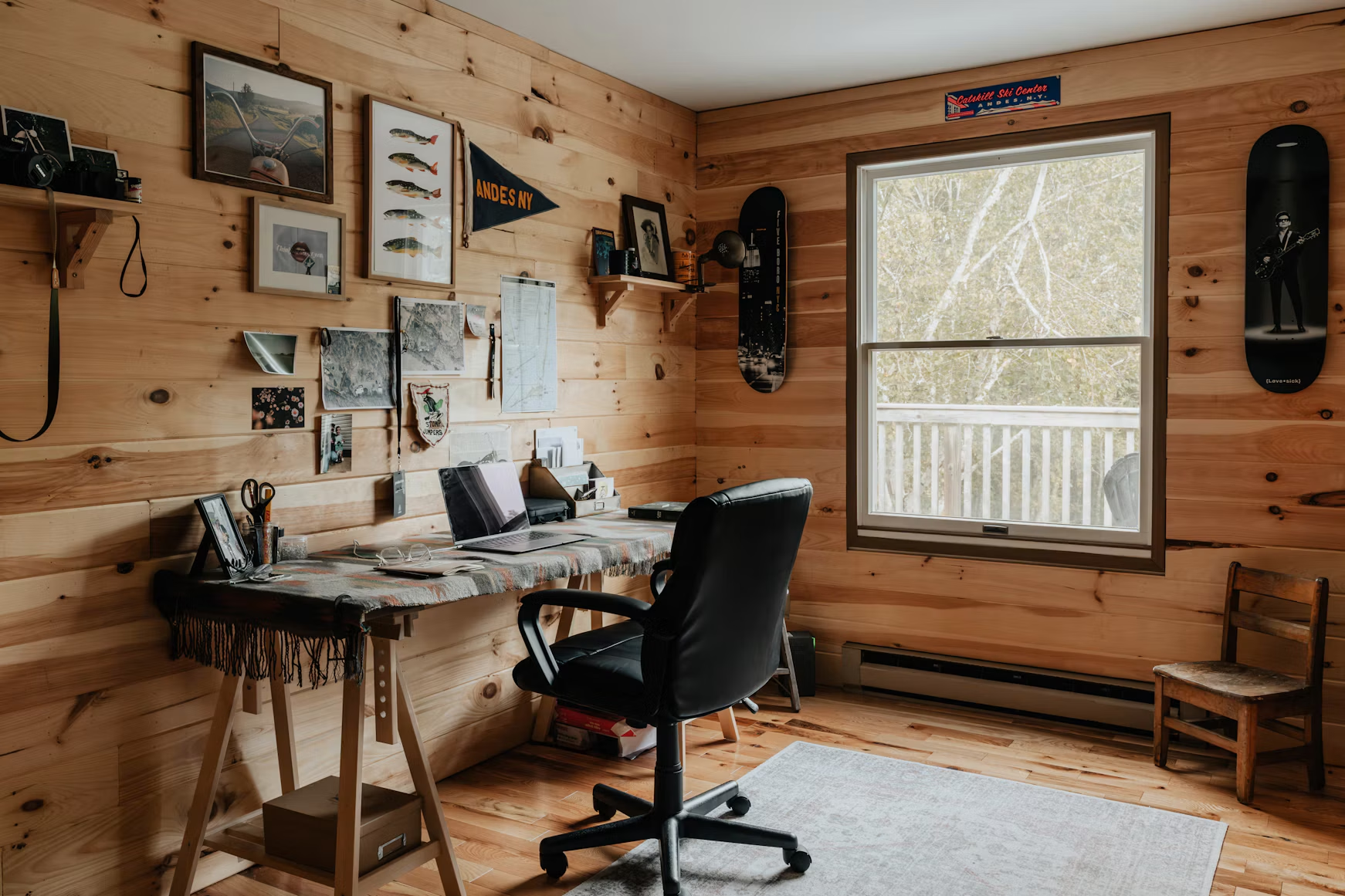
Image Credit: Unsplash
Curate Meaningful Artifacts with Purpose
Begin with the stories you want the room to tell. Lay your keepsakes on a table and group them by destination, material or memory. A railway ticket may belong beside a street photograph from the same city, while a coastal shell could sit with a sketchbook used during that trip. This simple sorting process reveals connections that may not be obvious when everything is stored in separate drawers.
Select one main object for each display area. On a console table, that could be a carved box accompanied by two smaller items. A bookshelf might feature one framed postcard, a stack of travel books and a stone collected during a memorable walk. Odd-numbered groupings often feel relaxed, but scale matters more than a strict formula. Pair a tall piece with lower objects so the arrangement has a clear visual rhythm.
Ideas for meaningful travel souvenirs include turning paper items into framed compositions and placing small objects in glass-topped boxes. These methods protect delicate pieces while keeping them visible.
Give every display some empty space. Crowded shelves make individual objects harder to appreciate and collect dust quickly. Rotate your collection every three or four months if you own more than the room can comfortably hold. Practical heritage decor tips can also help you balance old objects with the room’s existing color palette.
Document each artifact before displaying it. A note saved on your phone can record where you found it, who made it and why it matters. Those details preserve the object’s personal history and give you a story to share when guests ask about it.
Showcase Authentic Regional Craftsmanship
Regional crafts bring texture and a sense of place into a room, especially when you know how an item was produced. Look for objects made from materials closely tied to their region, such as Portuguese ceramics, Andean woven cloth or Scandinavian carved wood. Small signs of handwork, including irregular brush marks or slight differences in stitching, give the piece individuality.
Research local craft traditions before you travel. If you’re planning to walk one of the Camino de Santiago routes, for example, reviewing the towns along the route can help you recognize regional ceramics, textiles and paper goods as you encounter them. Ask sellers where an item was made and whether the maker works locally. A direct answer often tells you more than a decorative label.
Choose pieces that can live naturally in your home. A hand-painted bowl can hold keys in the entryway, while a woven runner can add warmth to a dining table. Useful objects tend to become part of daily life instead of disappearing into storage.
Display fragile craftsmanship away from direct sunlight, radiators and humid areas. Strong light can fade natural dyes, while temperature changes may crack wood or ceramics. Use archival backing when framing textiles or works on paper, and avoid household tape because its adhesive can stain fibers over time.
Try repeating one color from the craft elsewhere in the room. A blue detail in a ceramic plate might connect with a cushion or lampshade, creating a subtle visual link without making the decor feel overly coordinated.
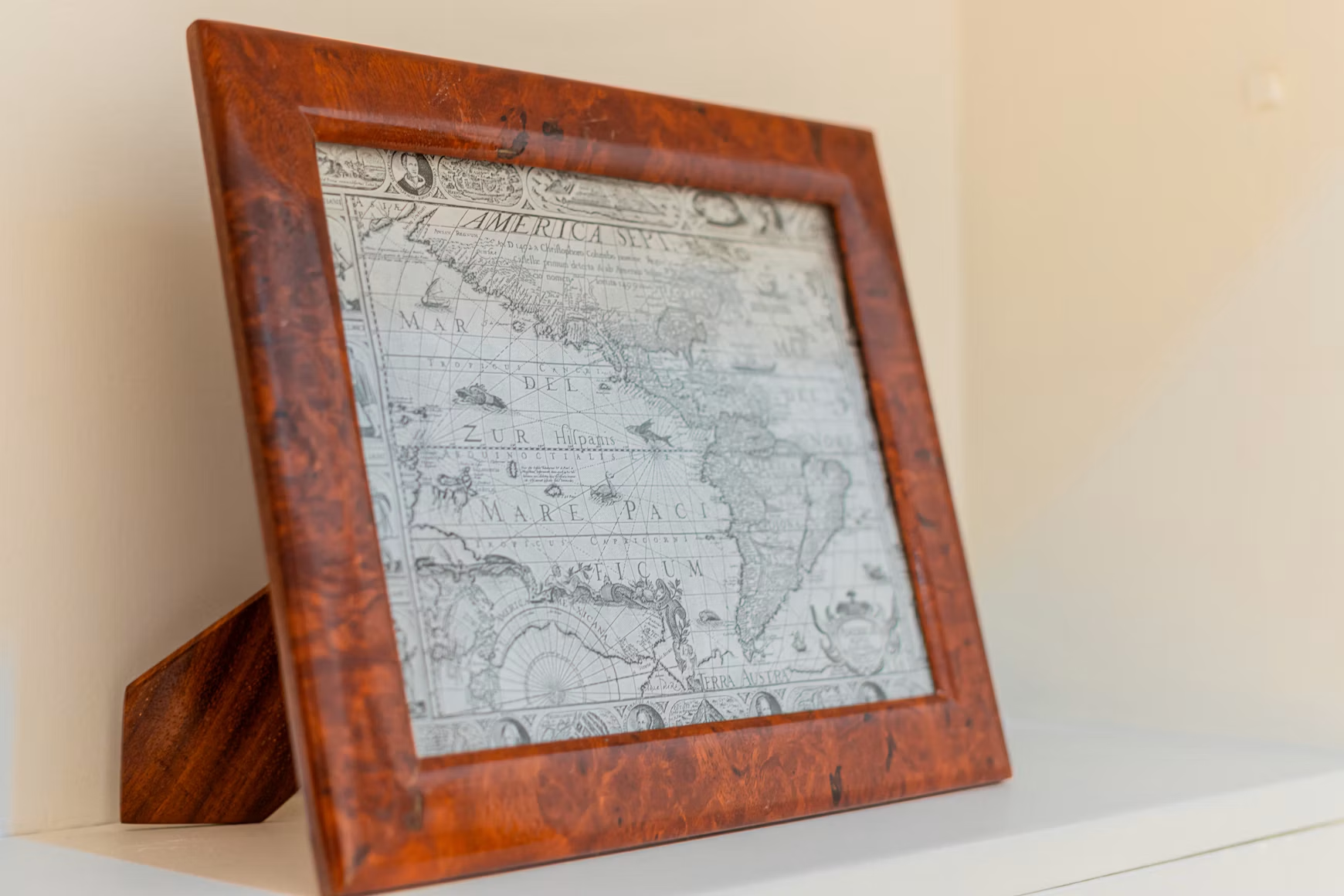
Image Credit: Unsplash
Map Art from Iconic Camino de Santiago Routes
Maps work especially well as historic travel keepsakes because they combine graphic detail with a clear personal story. A route map can mark the stages you completed, towns where you stayed and places that surprised you. Even a simple line drawn between two destinations becomes meaningful when it reflects your own experience.
Start with the size and condition of the map. Folded maps with worn edges look charming in a shadow box, while clean prints suit slim contemporary frames. If the original is valuable or fragile, scan it at high resolution and display a copy. Store the original flat in an acid-free folder, away from moisture and bright light.
Personalize the map with restraint. Use small dots to mark overnight stops or add dates in the margin with an archival pen. You could also place a tiny photograph beside the corresponding town, though too many additions may hide the map’s printed details. Three to five markers are usually enough for a standard 18-by-24-inch print.
A wide wall above a sofa can hold one large route map, while a hallway suits a sequence of smaller framed sections. Keep two to three inches between frames so the grouping reads as one composition. Matching frames create order, but the contents can vary. Pair a route map with a handwritten note, a landscape photograph or a pressed leaf gathered where local rules permitted it.
For a softer look, choose a muted mat in sand, gray-green or faded blue. These colors complement older paper and fit easily into modern interiors. If your map has vivid route markings, a plain white or natural wood frame will keep attention on the geography and annotations.
Blend Keepsakes with Modern Furniture
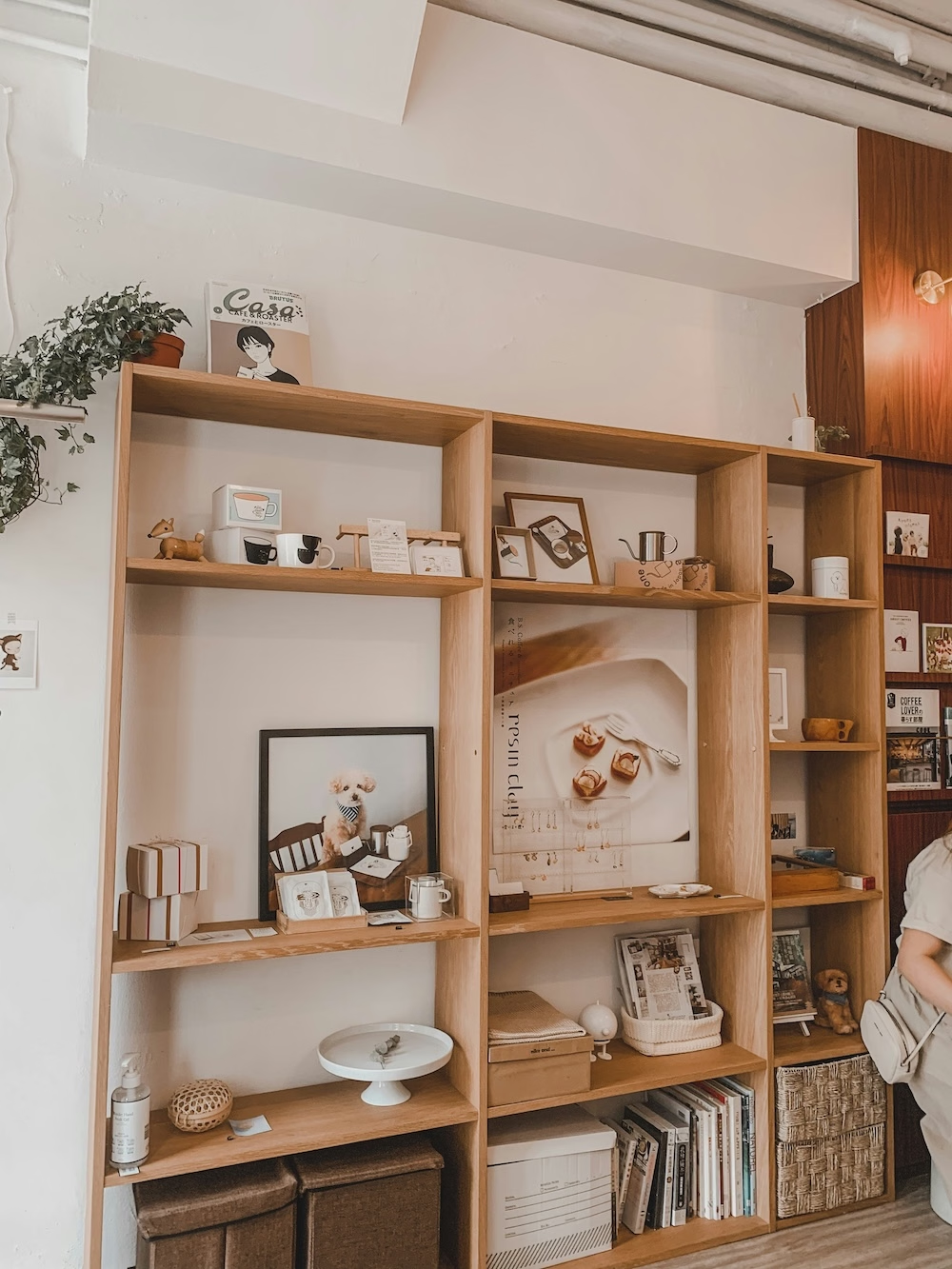
Historic objects feel at home in a modern room when they share a visual connection with the furniture. That connection might come from color, shape or material. A weathered wooden sculpture can echo the legs of a walnut sideboard, while a geometric textile may complement the clean lines of a contemporary chair.
Keep the larger furnishings simple and let the keepsakes supply detail. Place a single embroidered cushion on a streamlined sofa or hang an ornate framed print above a low cabinet. This gives the older piece room to stand out without turning the space into a themed set.
Scale can solve many styling problems. A tiny souvenir placed alone on a large coffee table will look lost, so raise it on two books or group it with a tray and small vase. Large textiles can become wall hangings, but secure them with a proper sleeve or textile-safe support. Avoid pinning valuable fabric directly to the wall.
Some travel decor ideas use everyday items, including baskets, books and photographs, to create a collected look. Follow that practical spirit by mixing display pieces with objects you already use. A ceramic cup can hold pencils and a carved tray can organize remotes.
Edit the room from the doorway once you’ve finished. If several objects compete for attention, remove one and check the view again. The best arrangement leaves a few quiet surfaces and gives your most significant keepsake a clear place to land. That might be the worn map beside your reading chair, ready to bring one particular route back into focus.