How to Style a High-End Interior for Road Travel

Image Credit: Unsplash
A luxurious touring interior needs to look polished, cope with constant movement and remain comfortable during long days on the road. Limited floor space makes every finish, fitting and fabric work harder, so visual appeal must sit alongside durability and easy maintenance. A restrained palette, layered lighting and thoughtfully placed utilities can give even a compact cabin the calm atmosphere of a well-designed hotel room.
Selecting Durable Natural Materials
Start with a small family of materials that age gracefully. Timber veneer adds warmth without the weight of thick boards, while cork works well for cupboard linings and selected wall panels because it is light and helps soften sound. For worktops, consider compact stone composite or a slim solid-surface material with rounded edges. These surfaces tolerate regular wiping and won’t dominate a narrow cabin.
The most convincing modern cabin ideas often repeat the same timber tone across joinery, trims and smaller details. Follow that principle to keep the scheme visually quiet. Use two or three finishes at most, then check every sample in daylight and under warm artificial light.
Movement also affects construction. Specify secure catches, flush handles and flexible sealants at joints. Matt or satin finishes tend to hide fingerprints and minor marks better than high-gloss surfaces, especially around doors and cooking areas.
Lighting Schemes for Compact Cabins
Plan lighting in layers so the cabin can shift from practical daytime use to a relaxed evening setting. Recessed ceiling lights provide general illumination, slim reading lamps support focused tasks and concealed LED strips can brighten worktops or the underside of overhead cupboards. Choose warm white light at roughly 2700K to 3000K for a welcoming interior.
Place each circuit on a separate dimmer where possible. You may need strong light for preparing food, then only a low glow near the floor once everyone settles down. Fixtures should sit flush or close to the wall so they don’t interrupt headroom or catch on clothing.
Your lighting plan should also account for how you tour. Overnight stays at full-hookup RV camping sites can support a comfortable stop with convenient connections, but the cabin still needs efficient low-energy lighting for times when resources are limited. Test the full scheme at night before a long trip, paying attention to glare reflected in windows and glossy surfaces.
Essential Utility Needs for Luxury Touring
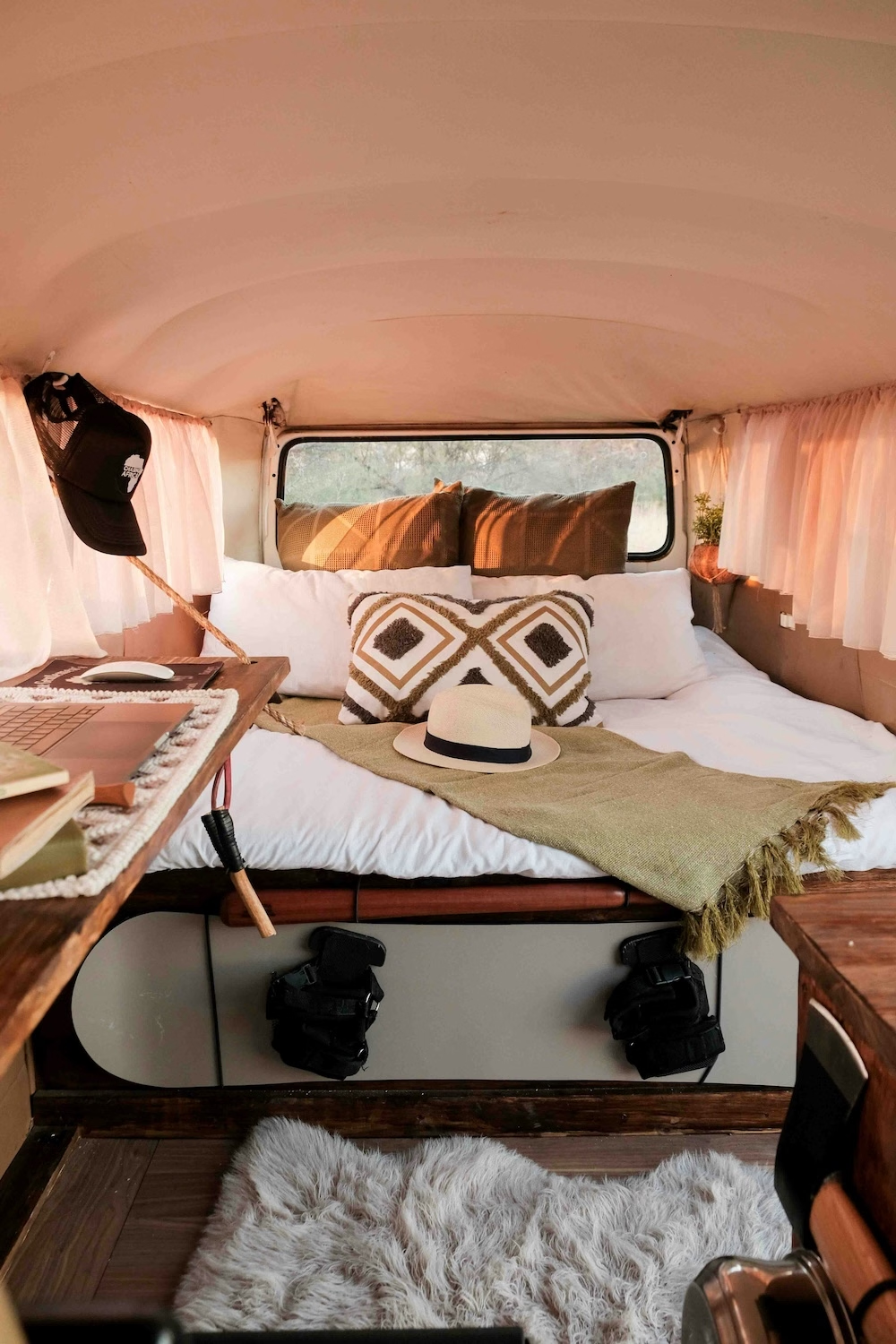
Good utility planning keeps everyday equipment accessible without allowing it to take over the interior. Map the locations of sockets, charging points, switches and controls according to how you’ll use each zone. A socket beside the bed is useful for a phone, while a charging point near the dining surface can support a laptop without trailing cables across a walkway.
Give water and ventilation systems equal attention. Quiet fans, easy-to-reach filters and clearly labelled controls make maintenance less disruptive. Allow airflow around enclosed appliances and leave inspection points accessible. A beautiful fitted panel loses its appeal if half the cabinetry must be removed to reach a routine service connection.
Storage should follow frequency of use. Keep daily items between waist and shoulder height, reserve low cupboards for heavier belongings and place occasional items overhead. Non-slip liners and divided drawers stop objects shifting during travel. Before approving the joinery, spend a few minutes acting out ordinary routines such as making tea, charging devices and getting ready for bed.
Curating Textile Accents and Upholstery
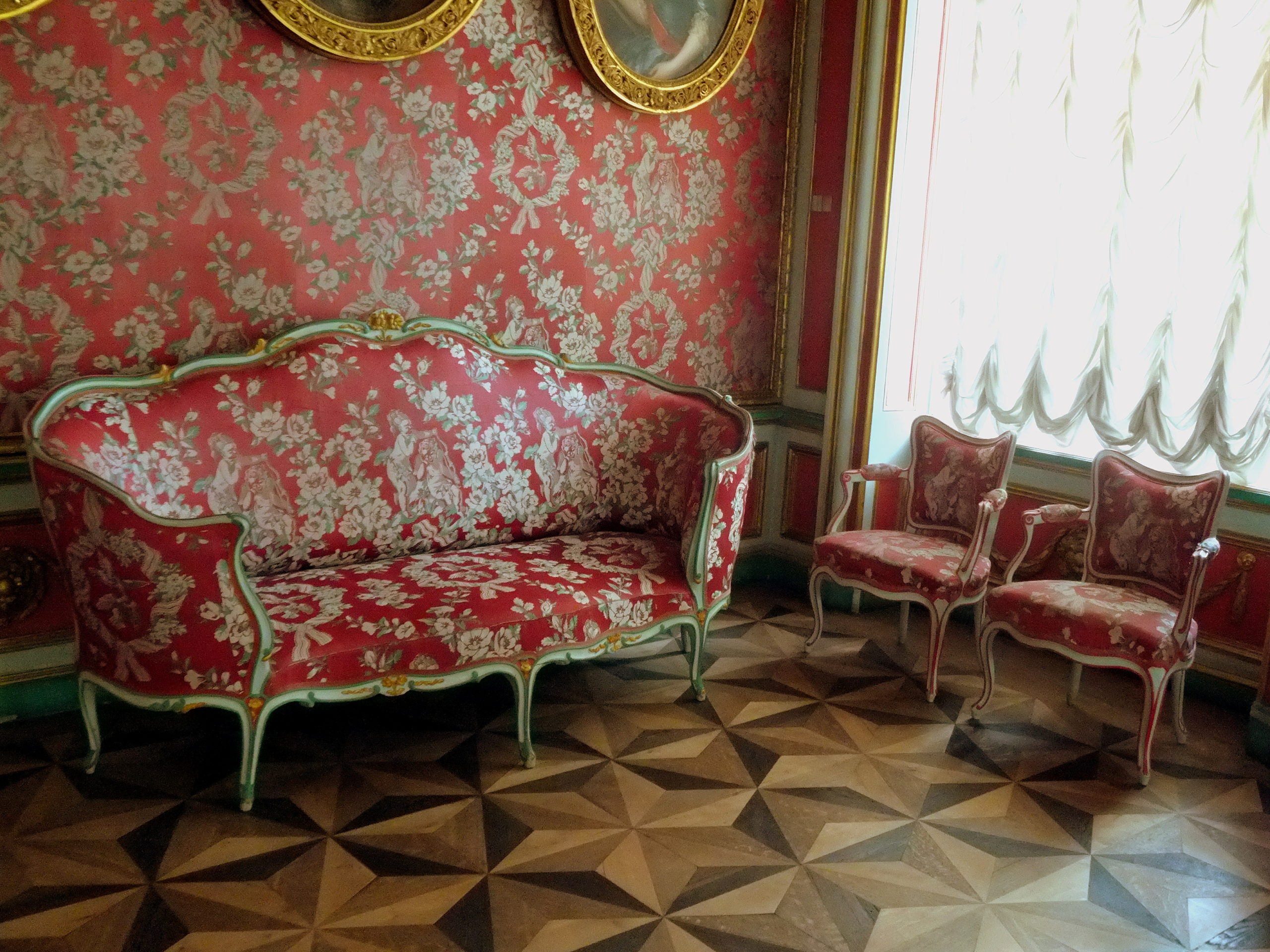
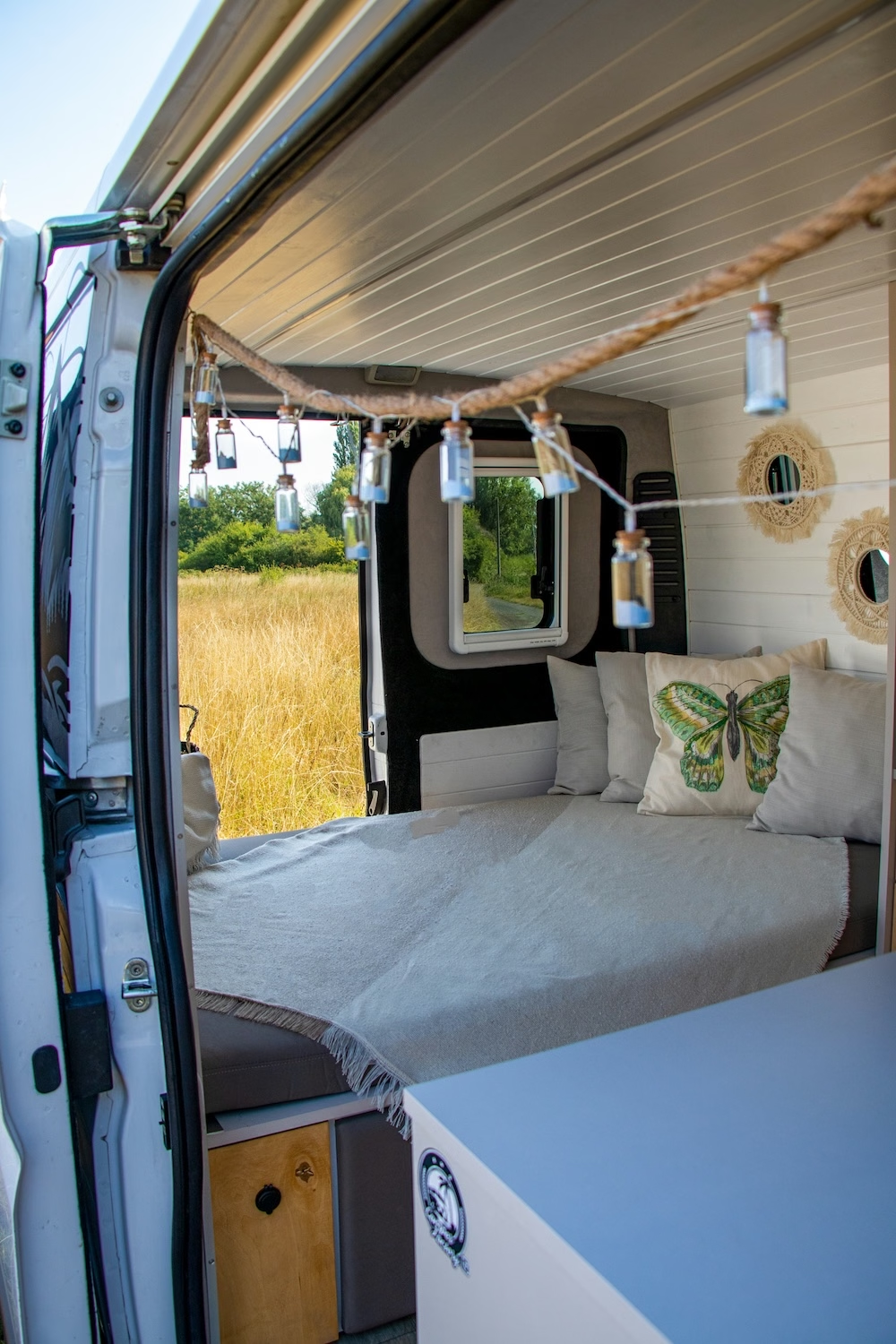
Textiles bring softness to an interior filled with hard, practical surfaces. Choose one durable upholstery fabric for the main seating, then introduce colour through cushions, blinds and a compact rug. Muted olive, rust, warm grey and clay pair naturally with oak or walnut finishes without making a small cabin feel busy.
Look for tightly woven, stain-resistant materials with removable covers. Linen blends offer a relaxed texture, though pure linen may crease quickly under regular use. Wool blends can suit cushions and throws, while performance fabrics are sensible for seating that doubles as a dining area or bed.
Useful cabin décor inspiration can help you balance tactile details without filling every surface. Repeat one accent colour in two or three places and vary the texture instead. For example, combine a rust-coloured woven cushion with a finer striped blind and a small patterned runner.
Secure loose textiles before travelling and avoid excessively thick window treatments, which consume valuable space. A tailored blind, two supportive cushions and one washable throw will usually feel more considered than a large collection of decorative pieces.
The final test should happen inside the parked cabin after dark. Sit in every main position, switch between lighting scenes and check that the objects you use most are within easy reach. Any awkward cable, harsh reflection or overfilled corner will reveal itself quickly, giving you a clear final edit before the next road trip.