Simplify Your Relocation: A Guide to Stress-Free Transitions

Moving to a new home is an exciting fresh start, but the process itself can feel overwhelming. Packing up your entire life and moving it somewhere else is a huge job. With a bit of organization and a clear plan, you can turn a potentially chaotic experience into a smooth, manageable one. This guide breaks down the process into simple, actionable steps to help you relocate without all the stress.
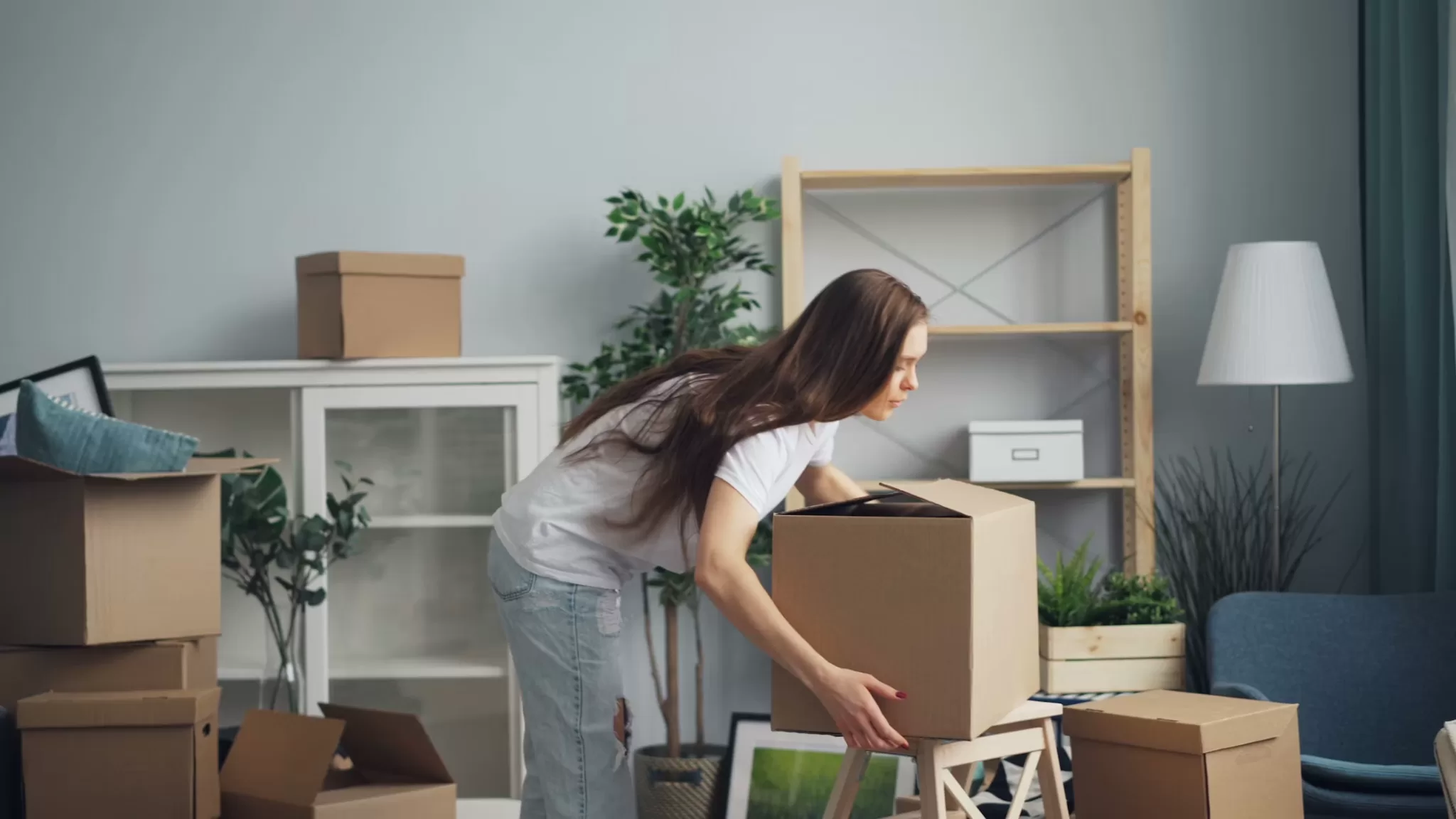
Image Credit: Unsplash
Declutter Before Packing
Many people make the mistake of moving items they no longer need or want. Every item you get rid of now means one less thing to pack, move, and unpack later. Start decluttering at least a month before your move date. Go through each room, one at a time, and sort your belongings into four piles: keep, donate, sell, or discard. You can follow a decluttering strategy to help you declutter your home fast. This is the perfect chance to be honest with yourself about what you truly use and love. Using effective decluttering techniques for moving can significantly reduce how much stuff you have, saving you time, money, and energy.
Consider selling valuable items online or holding a garage sale. For everything else, find a local charity that accepts donations. This not only lightens your load but also gives your pre-loved items a new home.
Smart Packing Strategies
Once you’ve decluttered, you can start packing with a clear head. A systematic approach is key. First, gather quality packing supplies: sturdy boxes in various sizes, packing tape, bubble wrap, and markers. Don’t overfill large boxes with heavy items like books; use smaller boxes for those instead.
Plan your packing to make unpacking easier at the other end. Here are a few tips:
- Pack an “essentials” box: This should be the last box you load and the first one you open. Fill it with things you’ll need right away, like toiletries, a change of clothes, basic kitchen supplies, medications, and phone chargers.
- Label everything: Clearly mark each box with its contents and the room it belongs in. You could even use a color-coding system with different colored tapes for each room. A detailed packing checklist for moving house can make sure you don’t forget anything.
- Protect fragile items: Use towels, linens, and clothing to wrap delicate items for extra padding. This saves on packing materials and serves a dual purpose.
Navigating Moving Day Logistics
Moving day needs careful planning. If you’re doing the move yourself, confirm your truck rental and get help from friends or family well in advance. Plan your route and have snacks and water ready to keep everyone’s energy up.
For many, hiring professionals is the best way to ensure a smooth process. It’s crucial to research and book a reputable service early, especially during busy moving seasons. When looking at local moving companies, check for transparent pricing, good customer reviews, and proper insurance. A good moving team can handle all the heavy lifting, safely transport your belongings, and significantly reduce the physical and mental strain of the day. Confirm all details, including arrival time and contact information, a few days before the move.
Setting Up Your New Space
You’ve arrived! Before you start tearing open boxes, take a moment to do a quick walkthrough and clean the essential areas. Begin unpacking with the rooms you’ll need first: the kitchen and the bedrooms. Set up your bed as soon as possible; having a comfortable place to rest at the end of a long day is invaluable.
In the kitchen, focus on getting the major appliances running and unpacking everyday dishes and cookware. Don’t feel pressured to unpack everything at once. Work room by room over several days or even weeks. As you unpack, break down the empty boxes and store them out of the way to create more usable space.
Post-Move Essentials
The work isn’t quite over once the last box is unpacked. There are a few final administrative tasks to check off your list. Make sure you officially change your address with the postal service, your bank, credit card companies, and any subscription services. You’ll also need to update your driver’s license and vehicle registration.
Take some time to get to know your new neighborhood. Find essential services like the nearest grocery store, pharmacy, and doctor’s office. Exploring local parks, cafes, and shops can help you feel more connected to your new community and make your new house truly feel like home.
Relocating is a journey with many steps, but it’s also a fresh start. Breaking it down into manageable tasks helps you take control of the process and begin your new life on a positive and organized note.