Small Footprint, Big Impression: How to Use Portable Trade Show Exhibits to Anchor Your Boutique Marketing Strategy

Busy trade shows pack people into tight lanes. Look around; you will see booths shouting at once. Visitors rush past, eyes darting, choosing stops in seconds. Many firms think size wins here. Not always true, though compact setups catch notice too. When clean and sharp, small displays hold their own. Focus matters more than square footage ever does in trade show exhibits.
These days, portable displays for trade shows go way beyond basic banners or flimsy tables. Built for movement, they bring sharp brand looks and adaptable setups, together with touchscreens or digital features that stick in people’s minds—no huge footprint required.
When businesses attend several events annually, carrying lightweight displays helps them remain visible without complicating travel plans. Sharp marketers realize impact at exhibitions isn’t about square footage—what matters is whether the setup speaks plainly to those walking by.
Portable Trade Show Exhibits Strengthen Brand Presence at Busy and Competitive Events
- Smaller Booths Stand Out With Clear Branding
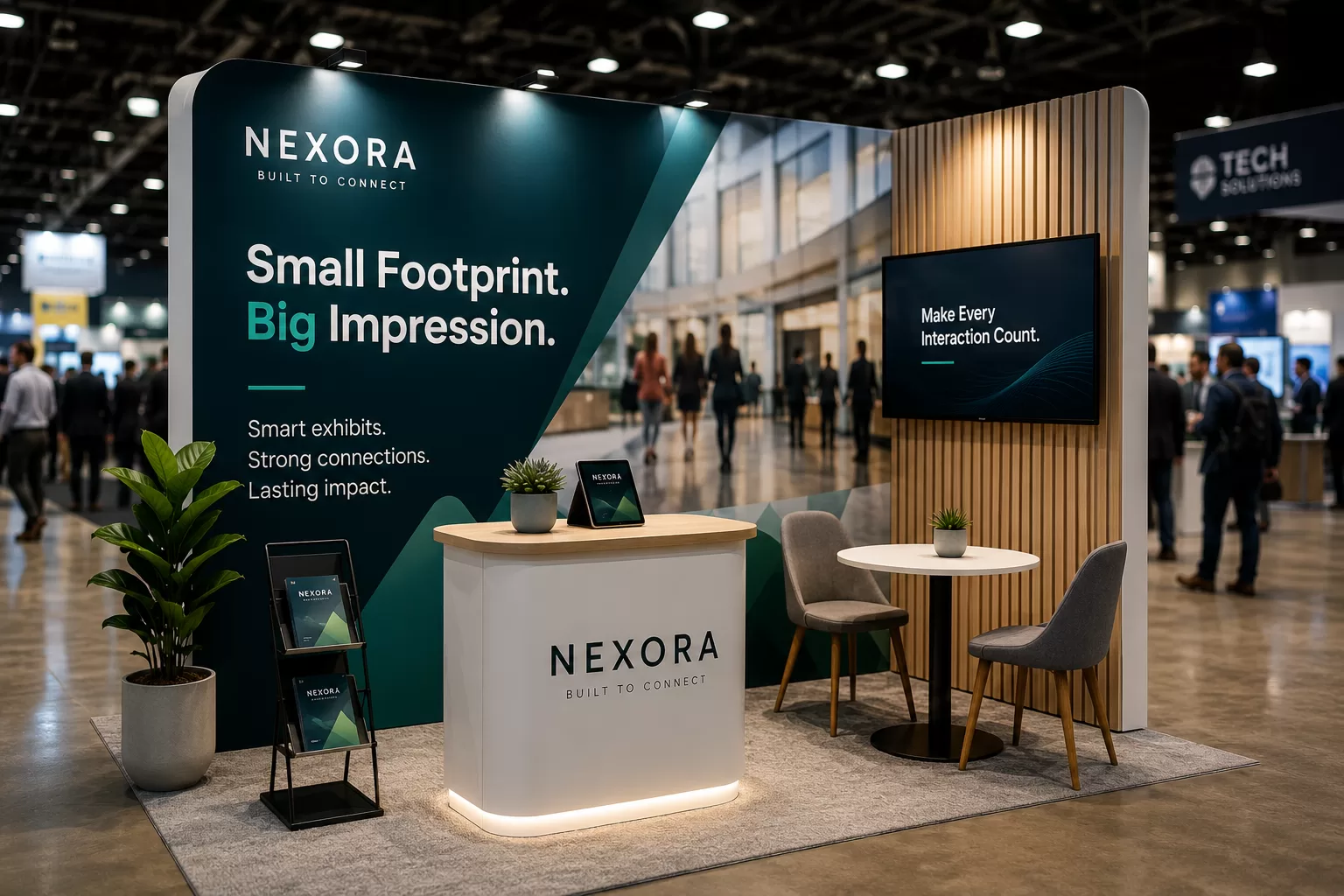
Busy event halls mean eyes glance and then drift away in seconds. When logos stand clean, spaced right, they catch attention even across wide floors. Slower thoughts form only after sight does its job first.
Big visuals grab eyes first. A clear message follows naturally when spacing allows it. Colors work together like teammates, not rivals. White space gives breath between elements. Crowds pause longer at stands that don’t shout with clutter. Balance pulls people in quieter ways than density ever could.
Out there on crowded showgrounds, tiny displays gain notice when each piece echoes the brand’s look. A unified feel makes small spaces stand out, slowly building familiarity where it counts.
- Layouts Adapt to Guide Visitors Naturally
Open floor plans pop up easily when space shifts happen. Teams tweak setups because room shape, crowd flow, or spot placement changes overnight. A loose structure means breathing room stays part of the design, never boxed in.
Inside tighter areas, shifting layouts might include movable partitions, digital signage, shelf units, or presentation stands—each repositioned freely across new configurations. Flow improves when displays nudge guests along paths where talks happen without bumping into corners.
Comfortable space isn’t about size. Clever design helps people move through compact displays without confusion.
- Lightweight Systems Simplify Event Logistics
Every now and then, a company hits the road for yet another trade event, juggling shipping dates, tight assembly windows, and time spent off-site. These pop-up displays take some of that weight away. Though they fold down small, their role grows larger when calendars fill fast.
Shipping gets simpler when frames stay small, materials weigh less, and one piece connects easily to the next. Fast assembly shows up in many setups today, needing few tools and fewer people to put them together.
Carrying gear across venues? Lighter loads mean smoother setups, yet quality visuals still hold strong. What changes is how fast crews adapt—crisp displays stay central even when shifting locations daily.
- Interactive Features Boost User Involvement
These days, portable exhibit setups go way beyond just posters. Screens showing moving images pop up alongside live demos, letting people try things out right there. Some stations link straight to online content through quick-scan codes. Interaction becomes possible even in tight spaces, drawing attendees in without needing extra room.
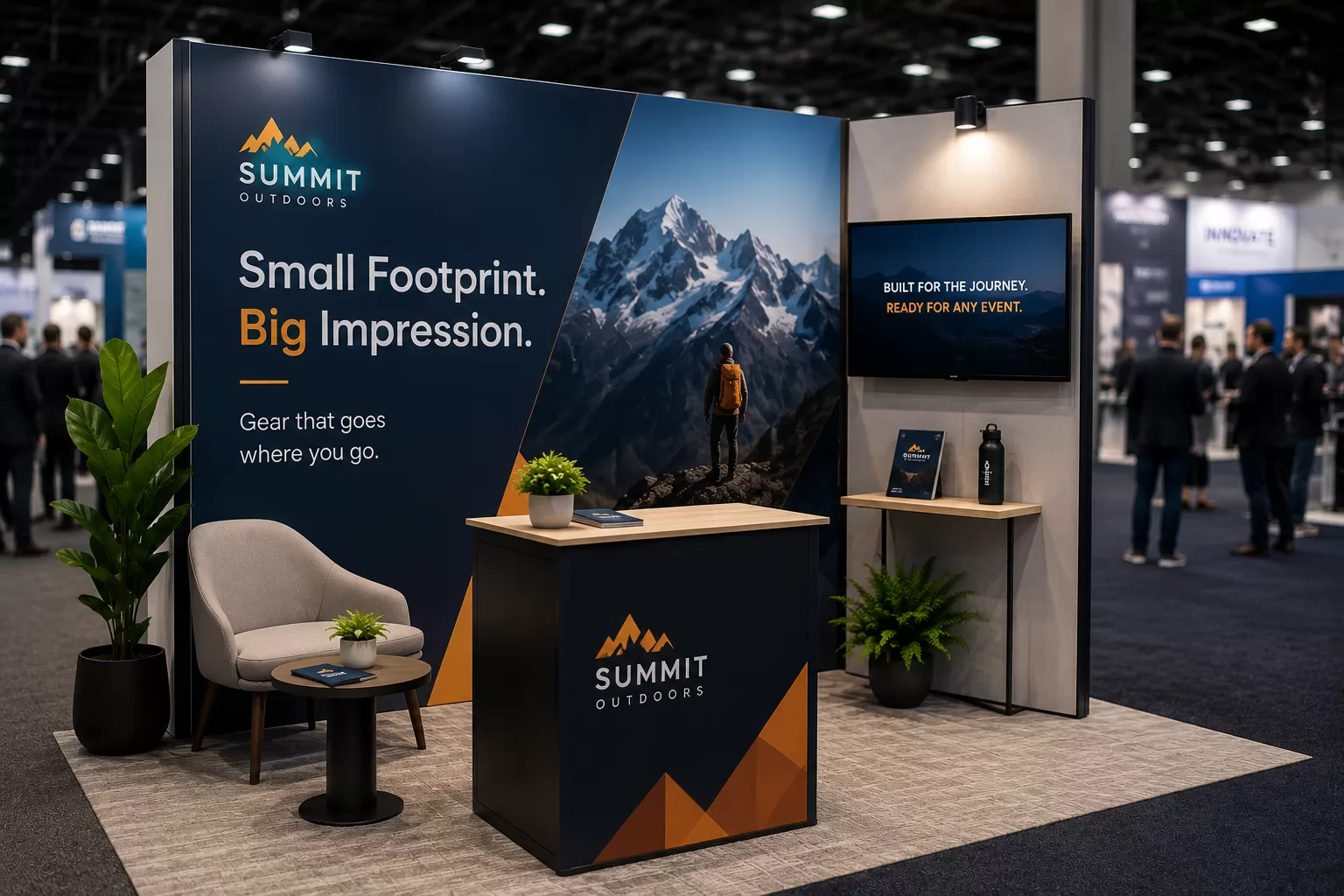
Out here, digital tools help display extras without piling up stuff on tables. Rather than handing out stacks of paper, companies set up moments that pull people in—making them stick around longer by doing something different inside the space.
Small displays gain depth once visitors start engaging with them directly.
- Consistency Builds Long-Term Recognition
Out on the road, these portable displays pop up at various shows each year. When a company keeps its look steady, people start recognizing it more easily. Each time they see that familiar setup, something clicks – memory builds quietly around custom trade exhibit designs.
Most people recall exhibits better when color schemes match from one place to the next. When messages feel consistent, they stick more easily in the mind. Layouts that echo each other help too. Presentation styles that repeat create a sense of knowing what comes next. Seeing things again makes them seem less strange. The brain leans into patterns without trying. Trust grows quietly where repetition lives.
Most folks overlook how often they reuse a mobile display – yet its real worth shows up months later. Picture this: rolling out the same setup, again and again, not just once, stored away. Value grows quietly over time, not with flash but consistency. Instead of vanishing after day one, it sticks around in different places. That steady presence? It keeps eyes on what matters – the name, the message, the look.
End Point
Out there, portable trade show displays continue to reshape event marketing. Even tight booth spots can stand out – smart design, clear messaging, smooth setup, and real guest interaction make it happen.What sticks isn’t always size. Smaller setups can outshine big ones when they pay attention to detail. Thoughtful layout pulls visitors in better than empty space ever could. Focus shapes perception more than floor area does. A clear path through a display keeps eyes moving forward. People remember how something felt, not how much room it took up. Purpose beats scale every time. Clarity builds connection faster than flashiness. Attention flows where intention leads. Experience matters most when choices feel deliberate.