How Stress-Free Materials Transform Modern Home Living

Choosing home materials that look beautiful but require constant cleaning can turn everyday living into another source of stress. Delicate fabrics, difficult-to-clean surfaces, and uncomfortable textures may leave your rooms feeling less inviting and more demanding than they should. Discover how to choose calming textures, durable furniture, and easy-care finishes that create a comfortable, practical home.
Sensory Calm Starts with Texture
Use texture to give each room a comfortable sensory baseline. Natural cotton, brushed upholstery, and tightly woven rugs tend to feel gentle without demanding much care. A smooth wood side table can balance a nubby throw or deep-pile cushion, keeping the room interesting while avoiding sensory overload.
Creating a comfortable atmosphere also involves considering how different materials work together. Incorporating simple ideas for turning your home into a peaceful sanctuary can help you combine cozy textures, soft lighting, and natural elements to make everyday spaces feel more relaxing and inviting.
These home sensory room ideas show how lighting, seating, and tactile objects can shape a calming space for different ages. Test fabrics against your skin before buying when possible. For online orders, request swatches and view them in morning and evening light. Limit prominent textures to two or three per room so that each surface has room to breathe.
Eliminate Friction in High-Use Zones
Choose easy-care materials for entrances, kitchens, and family living areas. In an entryway, a washable runner and a bench with a wipeable finish can handle damp shoes, bags, and daily clutter. Closed storage with smooth handles also makes cleanup quicker because every item has an obvious destination.
Pay attention to maintenance instructions before making a purchase. A pale rug labeled spot-clean only may create extra work in a busy hallway, while a machine-washable version can return to use within a day. Place absorbent mats near exterior doors and use removable cushion covers where snacks are common. These small decisions shorten routine cleaning sessions and help high-use areas look settled even during a busy week.
Invest in Durable Daily Lounges
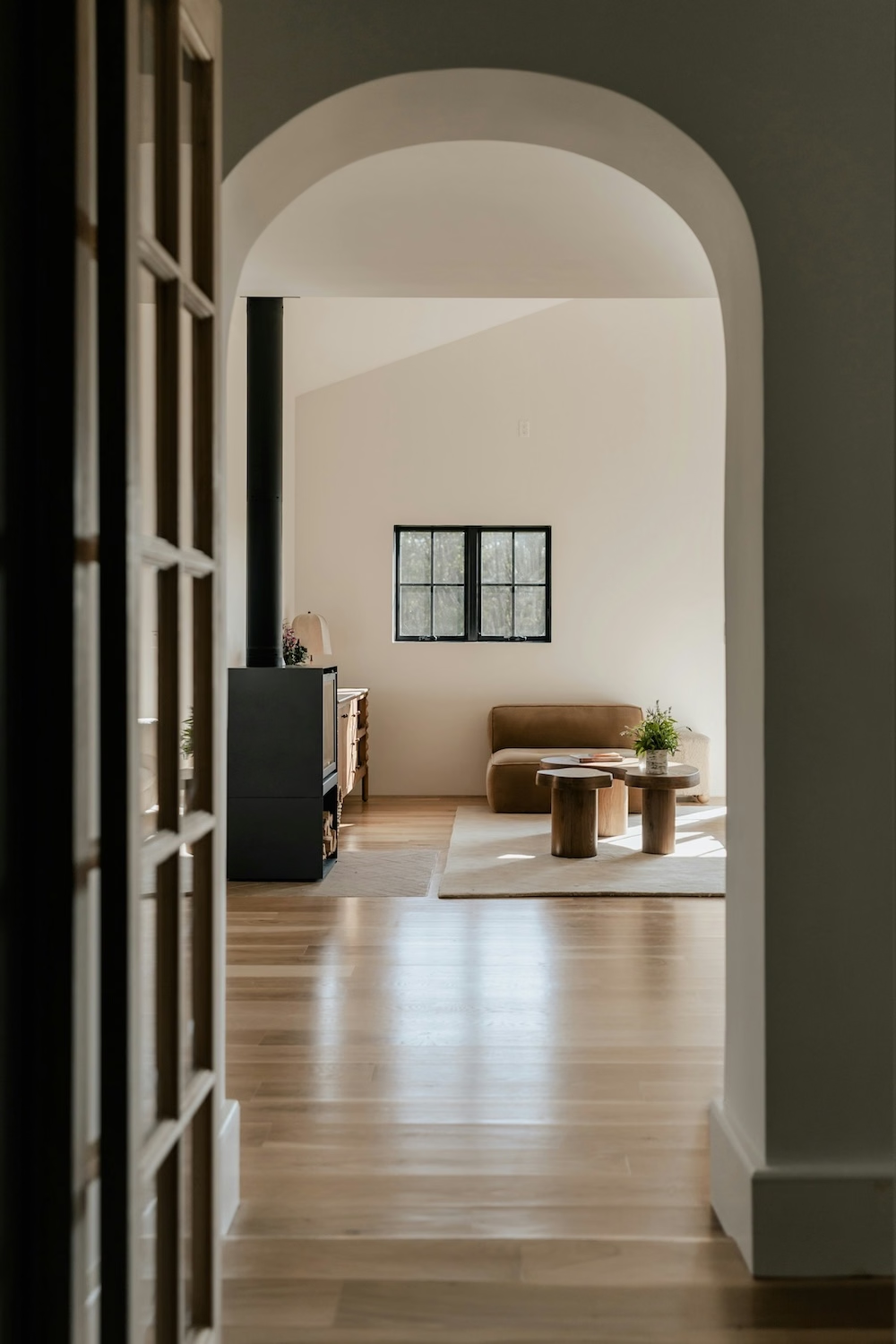
Give the closest attention to seating because it combines frequent contact, visual weight, and a substantial purchase price. Look for tightly woven performance fabric, removable covers, and cushions that keep their shape after repeated use. Check product dimensions against doorways and mark the sofa footprint on the floor with painter’s tape before ordering.
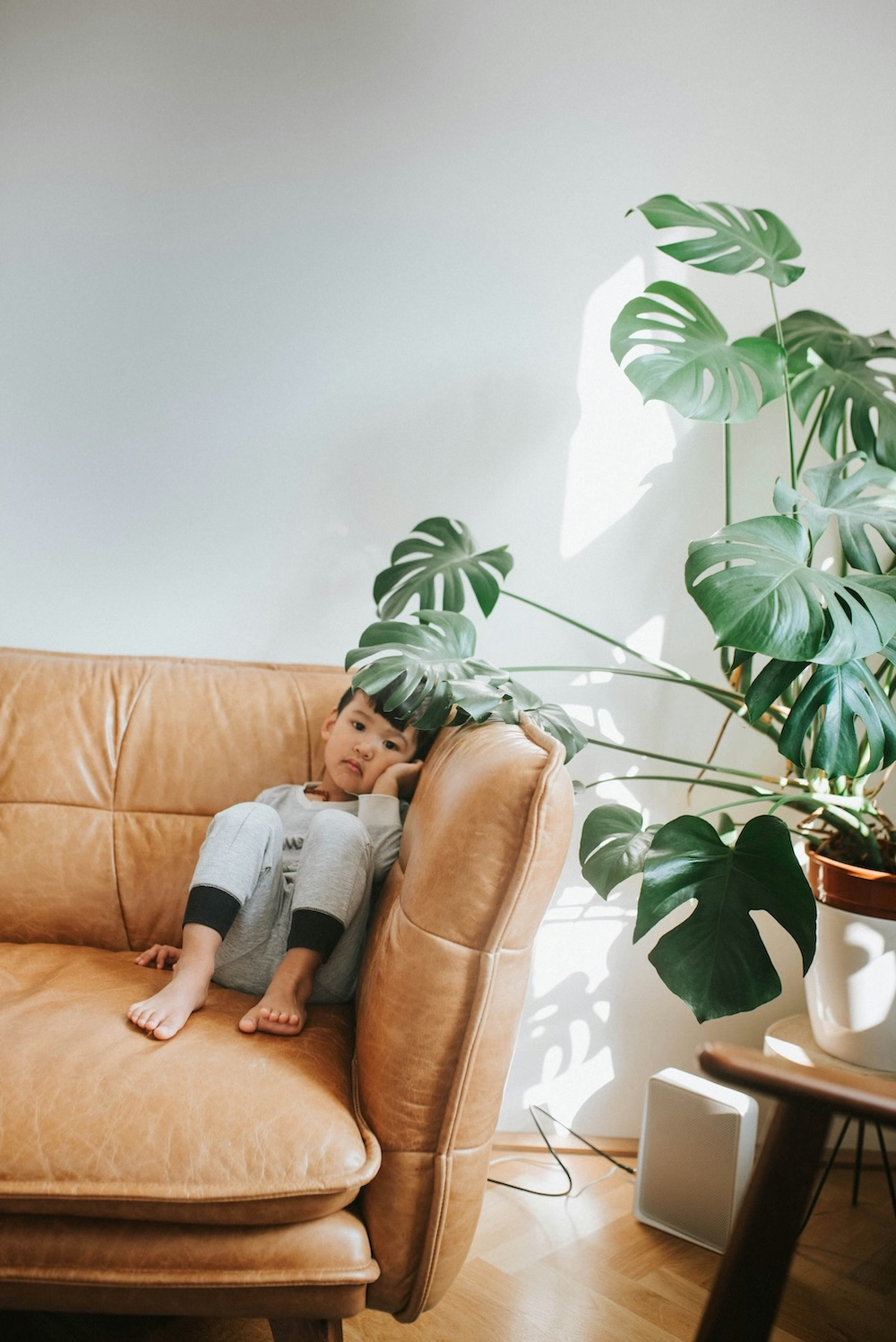
Households with children or animals may find sofas that are pet-friendly useful when comparing stain-resistant, dirt-resistant, and scratch-resistant seating. Medium-tone fabrics and subtle patterns tend to disguise lint and small marks between cleanings. Ask how the upholstery should be cleaned, then keep the approved cleaner nearby so spills can be handled promptly instead of becoming permanent reminders.
Balance Visual Harmony and Utility
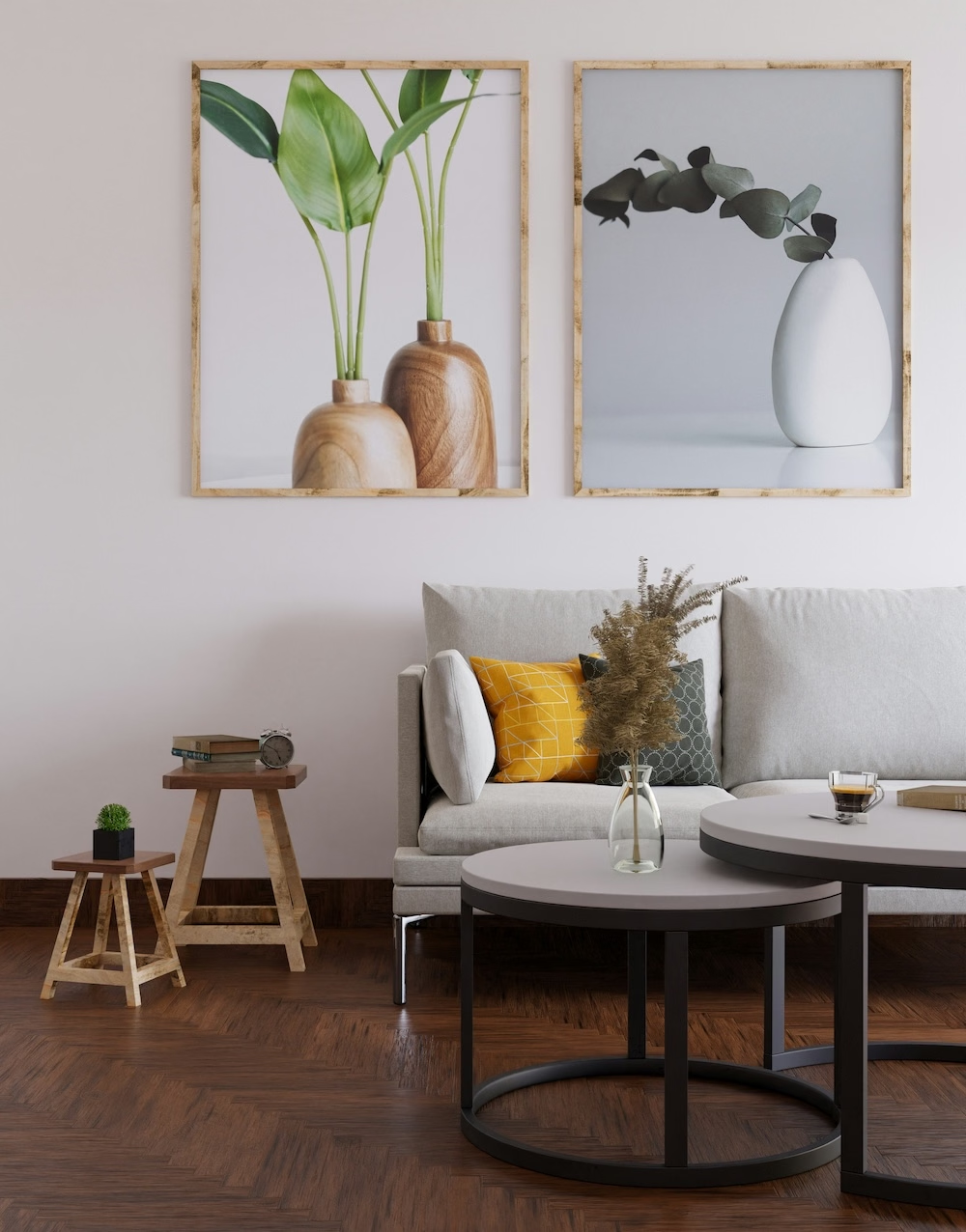
Repeat a small material palette across the room to create order. For example, use warm wood on the coffee table and picture frames, then repeat a single metal finish on lamps and cabinet hardware. This simple rhythm ties practical pieces together without making the space feel overly coordinated.
Guidance for a calm, stress-free home also highlights the value of organization and soothing surroundings. Give attractive everyday objects open display space, but place chargers, spare cables, and paperwork inside drawers or baskets. Leave some tabletops partly empty. Clear surfaces provide useful landing space and allow the colors, grains, and textures you selected to remain visible.
Stress-free materials earn their place through repeated use. A washable entry rug that dries overnight or a sofa fabric that releases a fresh spill can remove dozens of minor frustrations each year. Before your next purchase, read the care label and picture the item on an ordinary Tuesday, not only in a perfectly styled room.