Why Modern Architecture Puts Residential Wellness First

Modern homes increasingly support well-being through thoughtful layouts, abundant daylight, and spaces that make healthy routines easier. This focus reflects a wider understanding of how residential architecture can affect sleep, mood, movement, and social connection. As explored in discussions of wellness architecture and design, comfort now extends far beyond attractive finishes. It begins with how a home feels and functions throughout an ordinary day.
The Shift Toward Human-Centric Layouts
Human-centric layouts reflect the real rhythms of home life. Clear routes between rooms reduce daily friction, while flexible spaces allow a household to adapt as work patterns and family needs change. A spare corner might serve as a study area now and a reading nook later.
Privacy matters too. Bedrooms placed away from busy shared areas can support better sleep, while connected kitchens and living rooms encourage conversation. Good storage keeps clutter away from circulation paths and makes cleaning less demanding. When viewing a floor plan, trace the route from the entrance to the kitchen, bedrooms, and bathrooms. Awkward turns, narrow passages, or doors that collide often reveal problems that polished display interiors can hide.
Harnessing Natural Ventilation and Light
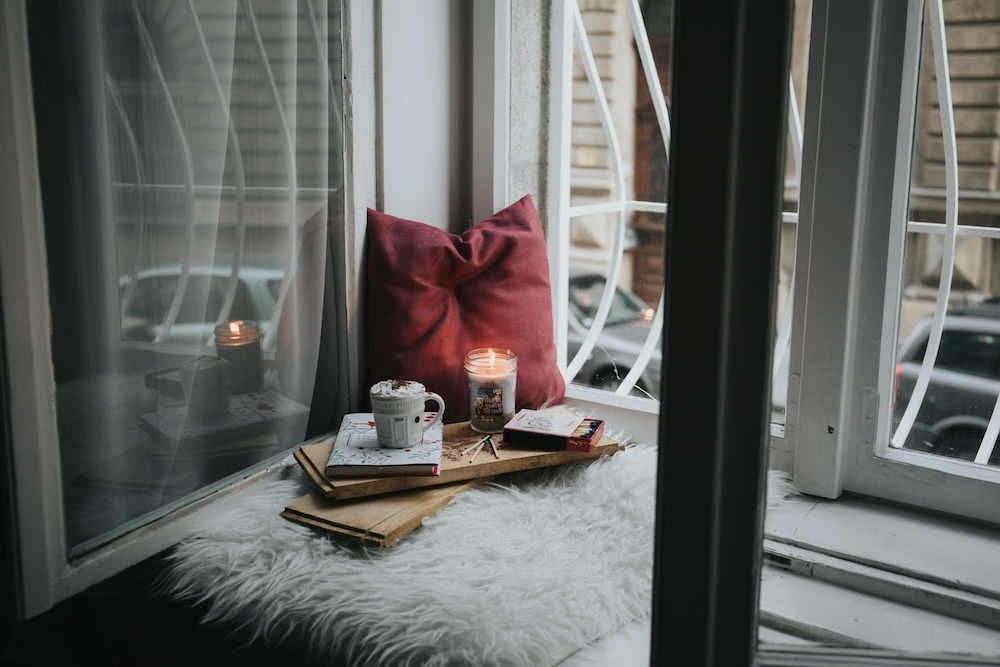
Exposure to natural daylight helps regulate the body’s circadian rhythm, making window placement an important consideration in residential design. The relationship between residential architecture and health also includes indoor air quality, acoustics, and visual comfort. Rooms with openings on opposite or adjacent sides may support cross-ventilation when outdoor conditions and internal layouts allow air to move freely. Shading can also help limit unwanted solar heat while windows are open.
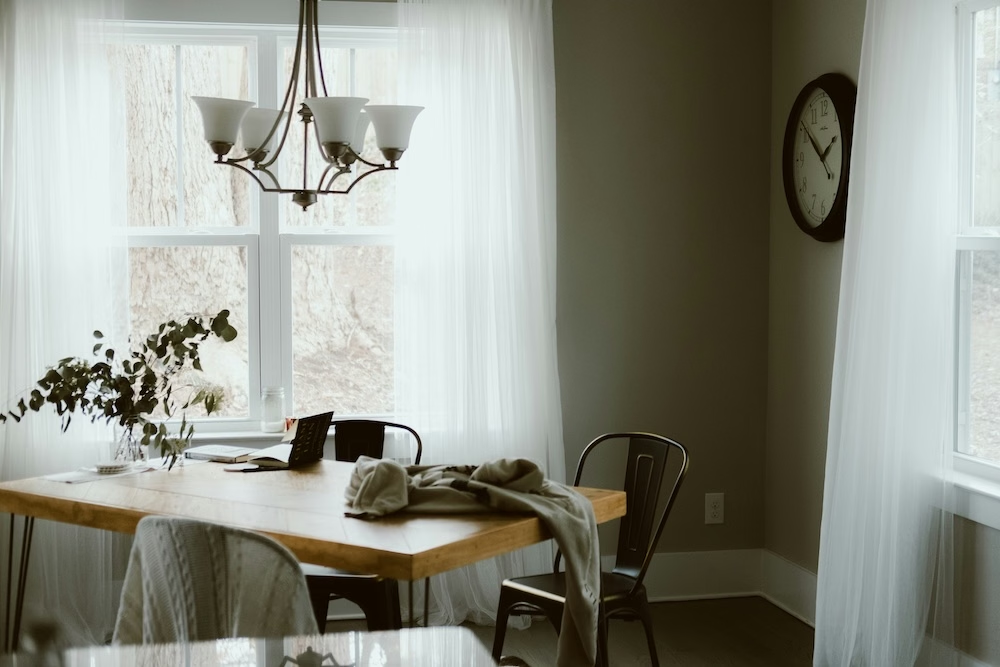
Pay attention to direction as well as window size. Gentle morning light works well in bedrooms and breakfast areas, while intense afternoon sun may require exterior shading, curtains, or suitable glazing. This guide to natural light in home design offers more insight into why brightness deserves early consideration. Before choosing a home, visit at different times of day and check which rooms need electric lighting even when the sun is out.
Partnering With Quality Property Developers
A wellness-focused design only delivers lasting value when construction quality matches the plans. Buyers should examine completed projects, ask how ventilation and water management were handled, and review the materials specified for common areas and interiors. Maintenance access also matters because filters, plumbing lines, and shared equipment need regular attention.
When comparing residential developments in Chennai, buyers can explore the apartments, villas, and plots offered by DRA Homes, a top real estate company. The developer has been operating since 1986 and highlights its completed projects, construction quality checks, and customer-focused approach. As with any property purchase, review the specific development’s floor plans, ventilation, window placement, materials, and maintenance arrangements rather than assuming every project offers the same features. Visiting a completed property can help you assess how comfortably its spaces support everyday living.
Integrating Dedicated Movement Zones
A movement zone doesn’t require a large private gym. A clear area beside a living room window may be enough for stretching, yoga, or a short bodyweight routine. In compact apartments, movable furniture and built-in storage can free several square feet when needed.
Shared spaces can support activity on a larger scale. Safe stairs, pleasant walking paths, and usable gardens encourage residents to move during normal routines. Families may also value an open area where children can play within sight of the kitchen or seating area. When assessing a property, picture a typical weekday. There should be enough clear floor space to move comfortably without shifting heavy furniture each time. Non-slip flooring, steady lighting and good ventilation make that space easier to use regularly.
Long-Term Health in Everyday Spaces
Healthy residential design must continue working as occupants age and circumstances change. Step-free entrances, wider doorways and bathrooms with room to maneuver can preserve independence later. These features also help households managing temporary injuries, strollers, or heavy deliveries.
Material choices influence long-term comfort as well. Easy-to-clean surfaces reduce dust buildup, while low-emission paints and adhesives can limit unwanted indoor pollutants. Quiet bedrooms need protection from elevators, service areas, and busy roads. Balconies and windows should provide useful outdoor views without sacrificing privacy or safety.
The most valuable wellness features often feel ordinary after move-in: a bedroom that stays quiet at night, a kitchen bright enough for morning tasks, and a shaded route that makes an evening walk inviting. Those are the details worth testing carefully before a floor plan becomes your daily environment.