What to Look for Before Buying an Architectural Gem

An architectural gem can offer craftsmanship, distinctive proportions, and a sense of history that newer homes rarely reproduce. It may also contain decades of repairs, aging materials, and outdated systems hidden behind beautiful finishes. Before committing to a purchase, look past the immediate charm and learn how the building has changed over time.
A careful review helps you distinguish manageable quirks from conditions that could affect your budget, comfort, or renovation plans.
Character Details vs Hidden Flaws
Original millwork, plaster walls, built-in cabinetry, and vintage tile can add real value to an older home. Inspect these features closely before assuming they’re in good condition. Fresh paint may conceal cracking plaster, while refinished floors can still have excessive movement or previous water damage underneath.
Look for doors that won’t close, sloping floors, and cracks extending diagonally from windows. One small crack may reflect normal settling, but repeated patterns deserve closer examination. The hidden costs of old homes often include repairs that weren’t obvious during a quick showing.
A visual walkthrough may not reveal the full condition of an older property. A pre-purchase home inspection provides a closer review of accessible structural components and systems, including the foundation, roof, plumbing, electrical, and HVAC. The resulting report documents observed conditions and potential concerns, helping you decide which issues need further evaluation, factor likely repairs into your budget, or discuss them before completing the purchase.
Assessing Vintage Framing and Wiring
Older framing methods aren’t automatically inferior. Dense old-growth lumber and traditional joinery can remain solid for generations when kept dry. Problems arise when later renovations remove supports, cut oversized openings through framing, or add heavy finishes without accounting for the original structure.
Check the basement, attic, and any unfinished spaces for altered beams, improvised posts, or floor joists with deep notches. Bouncy floors and gaps between walls and ceilings may also point to movement that needs professional review.
Electrical systems require equal attention. Look at the service panel, the number of outlets in each room, and the condition of visible cables. Ask when the system was last updated and whether renovation permits were obtained where required. Older homes may need added circuits for modern kitchens, climate equipment, and home offices. Have a qualified electrician evaluate questionable components and estimate the cost before planning cosmetic work.
Moisture Traps in Older Rooflines
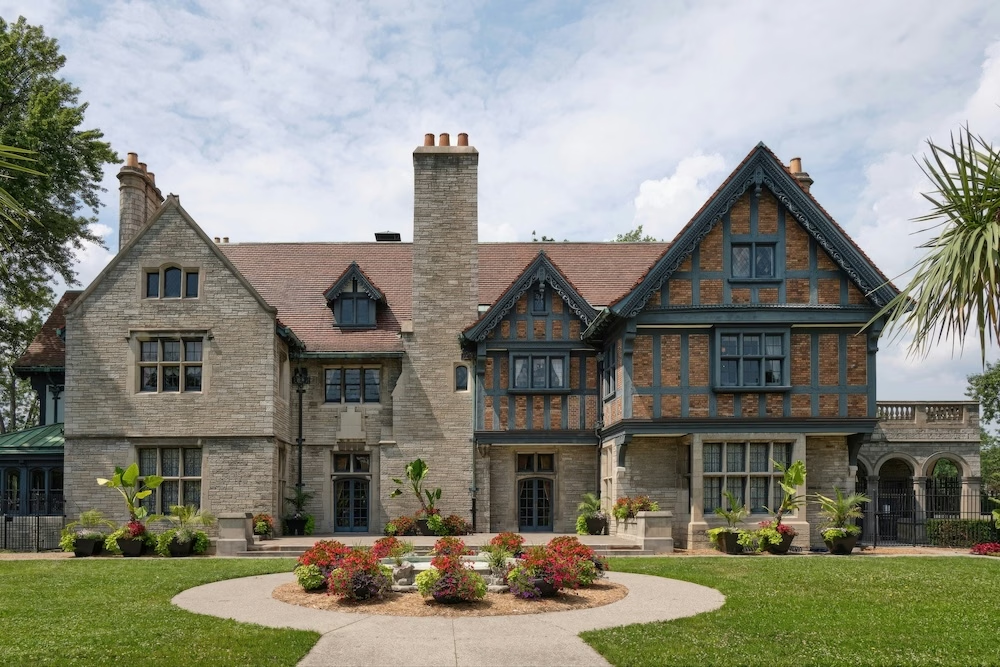
Complex rooflines are visually appealing, but valleys, dormers, and low-slope additions create more places for water to collect. During a viewing, inspect upper-floor ceilings for stains and look inside closets positioned beneath roof intersections. In the attic, darkened wood, damp insulation, and rusty fasteners can indicate an active or recurring leak.
Outside, examine flashing around chimneys and roof-to-wall joints. Overflow marks below gutters may show that rainwater isn’t draining correctly. Snow or leaves can make these warning signs harder to see, so ask for dated repair records and photos when access is limited.
Moisture can also enter near foundations or poorly sealed windows. This guide to hidden renovation priorities explains why water control and building performance should be addressed before interior updates.
Balancing Preservation with Modern Comfort
Start by deciding which features give the property its identity. Original doors, decorative molding, and well-preserved flooring may justify careful repair, while worn mechanical systems usually need practical upgrades. This distinction helps keep the renovation budget focused.
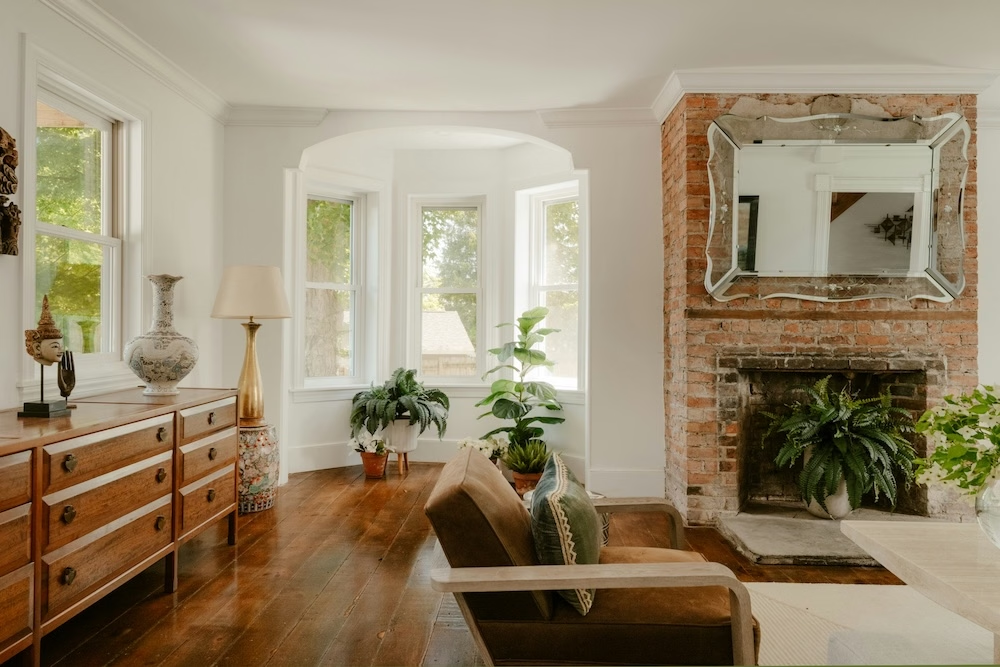
Consider how planned changes will affect both appearance and daily use. Replacement windows, for example, may improve comfort but alter exterior proportions. Restoring existing windows and adding weatherstripping or interior storm panels could offer another option, depending on their condition. Heating, cooling, and ventilation updates should also account for limited wall cavities and sensitive finishes.
Owners reflecting on old-house ownership lessons often emphasize the cumulative nature of repairs. Build a reserve beyond the initial project estimates because opening a wall can reveal damaged framing, obsolete pipes, or earlier work that needs correction.
The best purchase is a home whose visible character still holds up after its roofline, structure, and major systems receive the same attention. Review the evidence with qualified professionals, price the priority repairs, and let the building’s actual condition shape your offer.