Designing Light-Filled Interiors for Modern Wellness

Daylight shapes how a room feels from the moment you wake up to the time evening settles in. A bright interior can support daily routines, make compact rooms appear more open and create a stronger connection with the outdoors. Yet effective daylight design involves more than adding large windows. Glass condition, room orientation, privacy and the quality of the view all affect the result.
The best wellness-focused interiors manage these details together, creating spaces that feel calm, comfortable and easy to live in throughout the day.
Natural Light as Daily Medicine
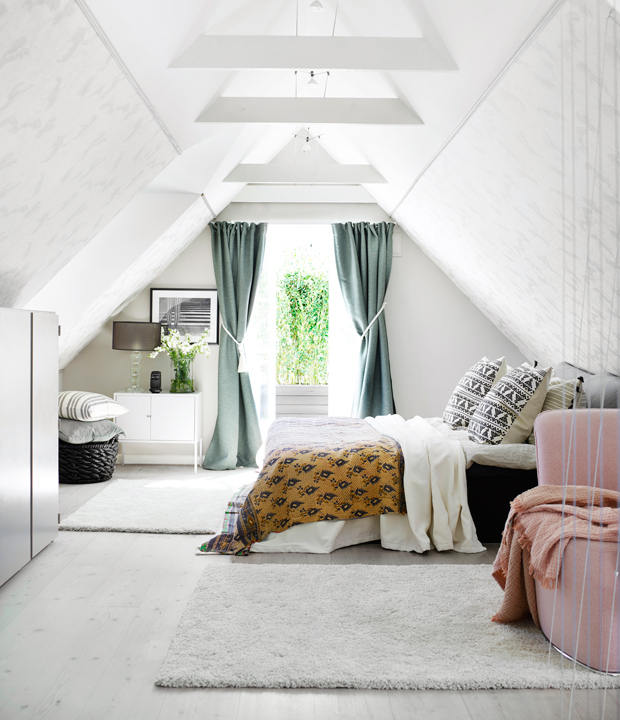
Light helps regulate the body’s internal clock, influencing alertness during the day and readiness for sleep at night. Start by giving morning light priority in bedrooms, breakfast areas and home offices. Open window coverings soon after waking and position frequently used seating near a window without placing screens directly in front of glare.
Simple natural light strategies include using pale wall colors, reflective surfaces and furniture layouts that keep windows unobstructed. For smaller rooms, the ideas in this guide to natural light in cramped interiors can help you distribute brightness without changing the room’s footprint.
Architectural Framing and Glass Walls
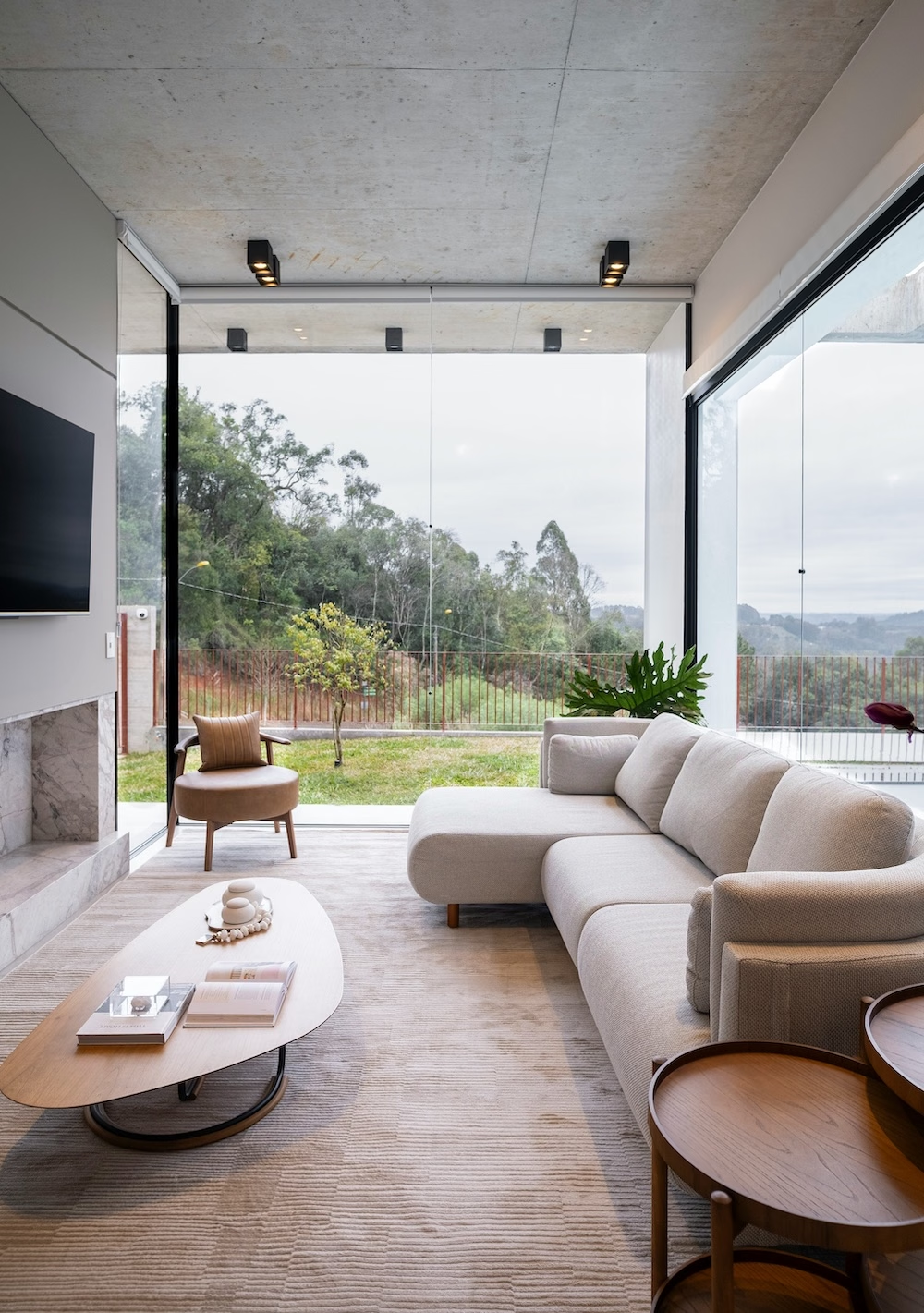
Glass walls allow daylight to pass between rooms while preserving clear functional zones. A glazed partition between a kitchen and hallway, for example, can brighten an internal passage that has no exterior window. Fluted or lightly frosted panels soften direct views while still carrying light into the adjoining space.
Before installing large glass elements, study the room at several times of day. Afternoon exposure may create uncomfortable heat or glare even when the same area feels pleasant in the morning. Interior windows, glazed doors and partial-height glass panels offer flexible alternatives. Keep frames slim where possible, but choose proportions that relate naturally to nearby doorways, ceiling lines and architectural trim.
Upgrading Fogged and Aging Panes
Cloudiness between panes usually signals that the insulated glass seal has failed. Once moisture enters the sealed space, cleaning the inside or outside surfaces won’t restore clarity. Drafts, cracked glass and rooms that remain noticeably warmer or cooler than adjacent spaces are other signs that an inspection may be due.
Homeowners in the Greater Phoenix Area can consider professional glass replacement when damaged or aging panes interfere with visibility, comfort or energy performance. Ask whether the frame remains sound and if replacing only the insulated glass unit is practical. Review tint, coatings and glass thickness at the same time so the updated pane suits the window’s orientation and the room’s daily use.
Balancing Privacy and Transparency
A wellness-centered room should feel protected as well as open. In bathrooms, street-facing bedrooms and ground-floor living spaces, layered privacy usually works better than keeping blinds closed all day. Sheer curtains diffuse harsh brightness, while top-down shades admit light above eye level. Frosted film and textured glass can provide more permanent screening.
Smart glass may suit spaces where privacy needs change throughout the day. Window tinting can also reduce glare and limit views from outside, though its performance varies with lighting conditions. The growing focus on wellness-centered lighting reinforces a useful principle: light should support comfort at different hours, not simply maximize brightness everywhere.
Curating Calming Views
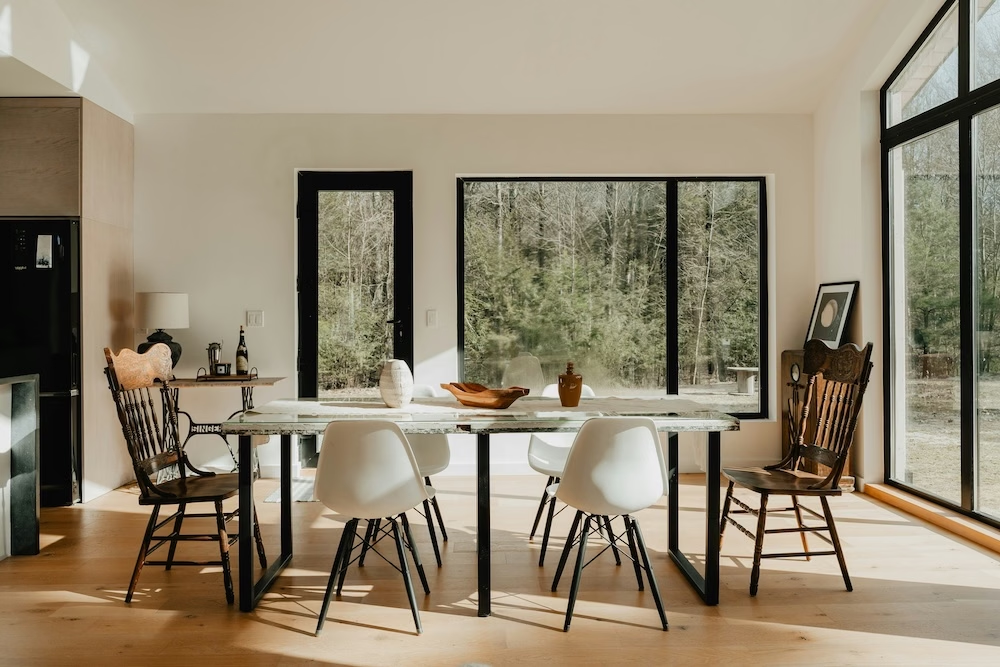
Windows frame whatever lies beyond them, so treat each one like part of the room’s composition. Move a chair a few feet to capture a tree canopy instead of a driveway, or use tall planters to screen a neighboring wall. Indoors, keep the immediate window area visually quiet. A crowded sill can interrupt the sense of depth that makes a modest room feel larger.
If the outdoor view is limited, create a closer focal point with grasses, climbing plants or a small courtyard arrangement. Clean glass and restrained window treatments will sharpen that connection. The most restorative result may be modest: a patch of morning sky, shifting leaves or soft light moving across the floor.