The Case for Therapeutic Garden Spaces at Home

A therapeutic garden gives everyday outdoor space a clear purpose: supporting rest, gentle activity and meaningful contact with nature. It can occupy a large backyard, a sunny patio or a quiet corner beside the kitchen door. The most effective spaces are easy to enter, comfortable to use, and filled with plants that invite you to pause. Thoughtful choices about layout, bed height and texture can turn routine plant care into a steady, restorative part of the day.
How Horticultural Therapy Boosts Wellbeing
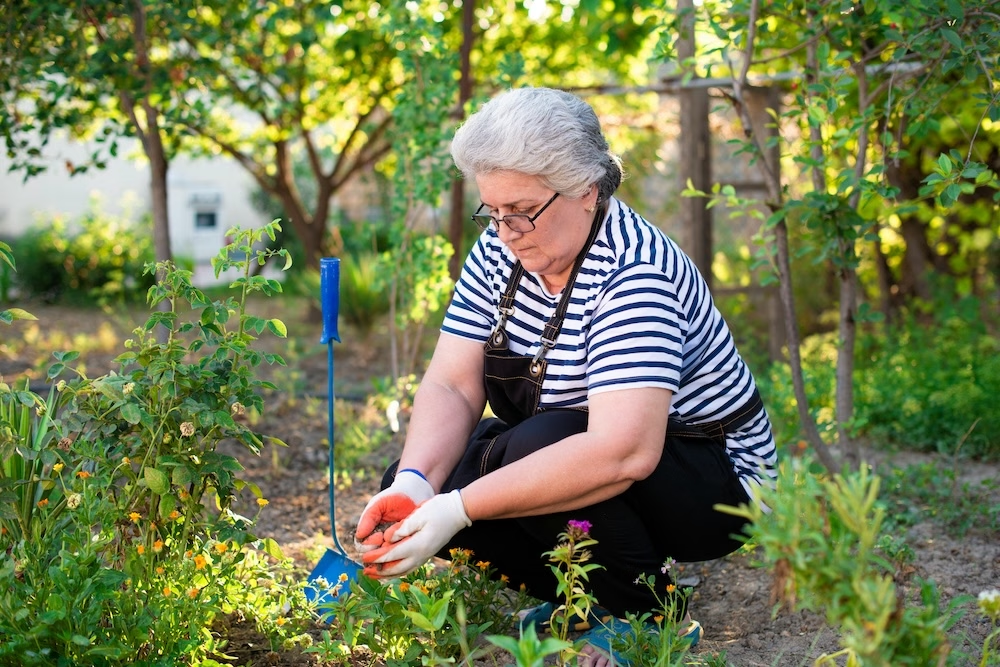
Horticultural therapy uses plant-based activities to support physical, emotional, and social wellbeing. Watering seedlings, pruning herbs, and checking new growth provide manageable tasks with visible results. These activities can create structure during stressful periods while encouraging light movement and sensory engagement.
Research into the health benefits of home gardens connects gardening with psychological, biological and social benefits. Time spent caring for plants may encourage physical activity, reduce mental fatigue, and strengthen a sense of connection. You don’t need a demanding vegetable plot to take part. Ten minutes spent deadheading flowers or harvesting mint can offer a useful break from screens and household pressures.
Consistency matters more than scale. Keep a small watering can nearby and choose tasks that match your energy level on a given day.
Designing Spaces That Encourage Presence
Place the garden where you’ll see and use it often. A hidden corner may look charming, but a bed beside a frequently used path is easier to visit each morning. Include a stable chair, clear walking space, and a table or ledge for tools. Shade from an umbrella or small tree can make summer visits more comfortable.
For more layout ideas, this guide to designing a stress-free garden explains how organization, privacy and natural details can shape a calmer outdoor setting.
Containers should also suit the available space and your preferred level of maintenance. Comparison guides to raised garden bed kits can help homeowners review dimensions, materials and practical features before choosing a setup. Leave enough room around each bed to turn, kneel, or position a chair without brushing against plants.
Ergonomics of Elevated Planting Beds
Elevated beds bring soil and plants closer to a comfortable working height. This can reduce deep bending during planting, weeding, and harvesting. A bed between 24 and 30 inches high may suit seated tasks, though the best height depends on the gardener, chair and reach.
Keep the planting area narrow enough to access from the sides. A bed reachable from both sides can be about 3 to 4 feet wide, while one placed against a wall should usually be narrower. Test the dimensions by reaching across a table before committing to a design.
The bed edge can provide brief support, but it should never wobble or have sharp corners. Store frequently used tools between waist and shoulder height. These details support the accessibility principles found in published therapeutic garden recommendations, including comfortable access and spaces suited to users’ needs.
Selecting Calming Botanicals and Textures
Choose plants that reward close attention without demanding constant care. Lavender offers fragrance and soft color in sunny, well-drained areas. Lamb’s ear has velvety leaves that invite touch, while ornamental grasses add gentle movement and sound. Herbs such as rosemary, thyme, and mint bring recognizable scents, though mint should stay in a container because it spreads quickly.
Aim for interest across several seasons. Spring bulbs can appear before perennials fill out, summer herbs provide regular harvests, and evergreen foliage maintains structure in winter. Avoid crowding the bed, since open space makes individual forms easier to appreciate and improves airflow.
Check every plant’s mature size, sunlight needs, and possible skin irritation before planting. If children or pets use the area, confirm that each selection is suitable for the household.
A therapeutic garden should feel welcoming even when no work needs to be done. Set one comfortable seat where you can watch leaves move, notice a new flower or simply stay outside for a few quiet minutes. That resting place may become the most valuable feature in the garden.