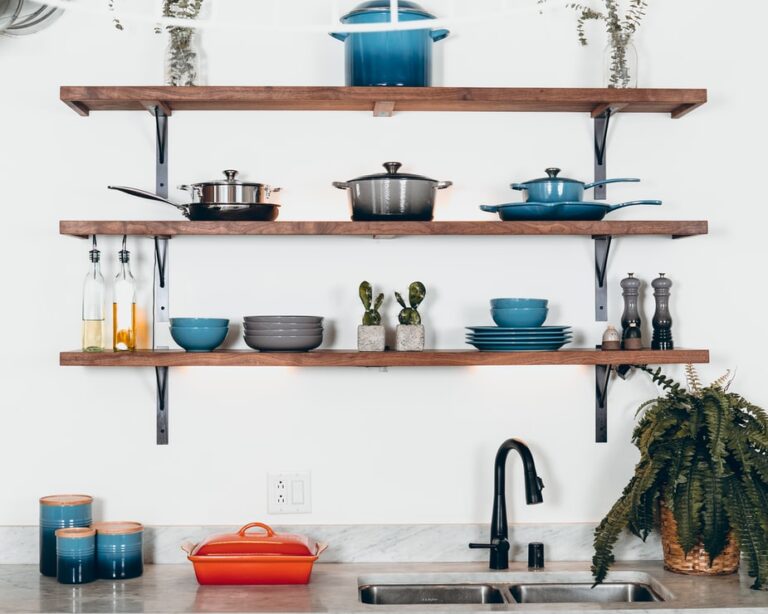
Why Beautiful Storage Systems Still Fail Without Routine Care


Image Credit: Unsplash
A well-designed storage system can make a room look finished, but attractive containers and carefully divided drawers can’t maintain themselves. Dust settles, daily habits shift, and new belongings enter the home. Without a simple care routine, even a picture-perfect system gradually becomes crowded and difficult to use.
Lasting order comes from combining thoughtful storage with regular editing and cleaning. The aim is to keep each space functional without turning home maintenance into an endless project.
The Myth of Permanent Order
Organized spaces often look permanent when they’re first completed. Every object has a designated spot, labels are easy to read, and drawers close without resistance. Yet storage systems operate in active rooms. A kitchen drawer gains takeout menus and spare utensils, an entryway basket fills with mail, and a bedroom closet absorbs seasonal purchases.
One reason organizing systems fail is that they’re designed around an ideal version of a household instead of its daily behavior. If family members naturally drop keys near the door, a key tray placed across the room probably won’t be used. If folded workout clothes are hard to distinguish in a deep drawer, the neat stacks will soon be disturbed.
Watch how a space functions for one or two weeks before investing in new organizers. Notice which objects collect on counters, which drawers become messy first, and which items rarely return to their assigned places. These patterns show where the system is creating too much effort.
Storage also needs some empty capacity. Filling a shelf or drawer to its limit leaves no room for laundry waiting to be put away, groceries arriving after a large shopping trip, or new paperwork that needs attention. Aim to leave roughly 10 to 20 percent of each storage area open. That buffer keeps a small change from disrupting the whole arrangement.

Decluttering Solves Half the Problem
Decluttering makes storage easier because fewer objects compete for space. It can also reduce visual distraction and make everyday decisions less tiring. Hennepin County’s overview of the health benefits of decluttering explains how a more orderly environment may support focus and reduce stress.
Still, removing unwanted possessions is only one part of the job. The remaining items need homes that match where and how you use them. Coffee supplies belong close to the coffee maker, frequently worn clothes need the easiest drawer access, and cleaning cloths should sit near the rooms where they’re used. A system built around real routines requires fewer steps to maintain.
Schedule a light reset every week and a more careful review once per season. During the weekly reset, return misplaced items and remove obvious trash. The seasonal review can address clothing that no longer fits, duplicate kitchen tools, and paperwork that has passed its useful date. The discussion of decluttering and self-care also reminds you that the process should stay manageable, especially when belongings carry strong emotions.
Some homes need more than a quick reset after a demanding month, a move, or a major schedule change. Homeowners in Reading and Berks County can review flexible professional house-cleaning options at dustbgone.net when routine surface care has fallen behind. Professional help can restore a clean baseline while household members continue deciding what to keep and where it belongs.

Deep Cleans Prevent Hidden Buildup
Storage areas can look orderly from the outside while collecting dust, crumbs, and residue inside. Drawer corners trap fine particles, closet floors gather lint, and cabinet shelves develop sticky marks from containers. These areas are easy to overlook because their contents hide the surfaces beneath them.
Plan a targeted deep clean every three to six months. You don’t need to empty every cabinet in the house on the same day. Work through one small zone at a time, such as a bathroom vanity on Saturday morning or two kitchen drawers after dinner. Remove the contents, vacuum loose debris, and wipe the surface with a product suited to the material. Let it dry fully before replacing anything.
As you reload the space, inspect what was stored there. Food packages may have expired, cosmetics can leak, and paper can curl after exposure to moisture. This is also the best moment to wash removable drawer inserts or shelf liners. Check manufacturer instructions before cleaning fabric boxes, wood organizers, or coated surfaces since excess water can cause warping or discoloration.
Popular decluttering myths can encourage people to treat one large seasonal session as a complete solution. A room stays cleaner when deep cleaning supports smaller recurring tasks, especially if you follow these deep cleaning tips. For example, wiping a utensil drawer every few months takes less time when crumbs are cleared during weekly kitchen care.
Keep a simple record in your calendar so hidden areas don’t disappear from the routine. Rotate through categories such as kitchen cabinets, bedroom drawers, bathroom storage, and entryway furniture. Four scheduled sessions across the year can cover the main trouble spots without consuming an entire weekend.
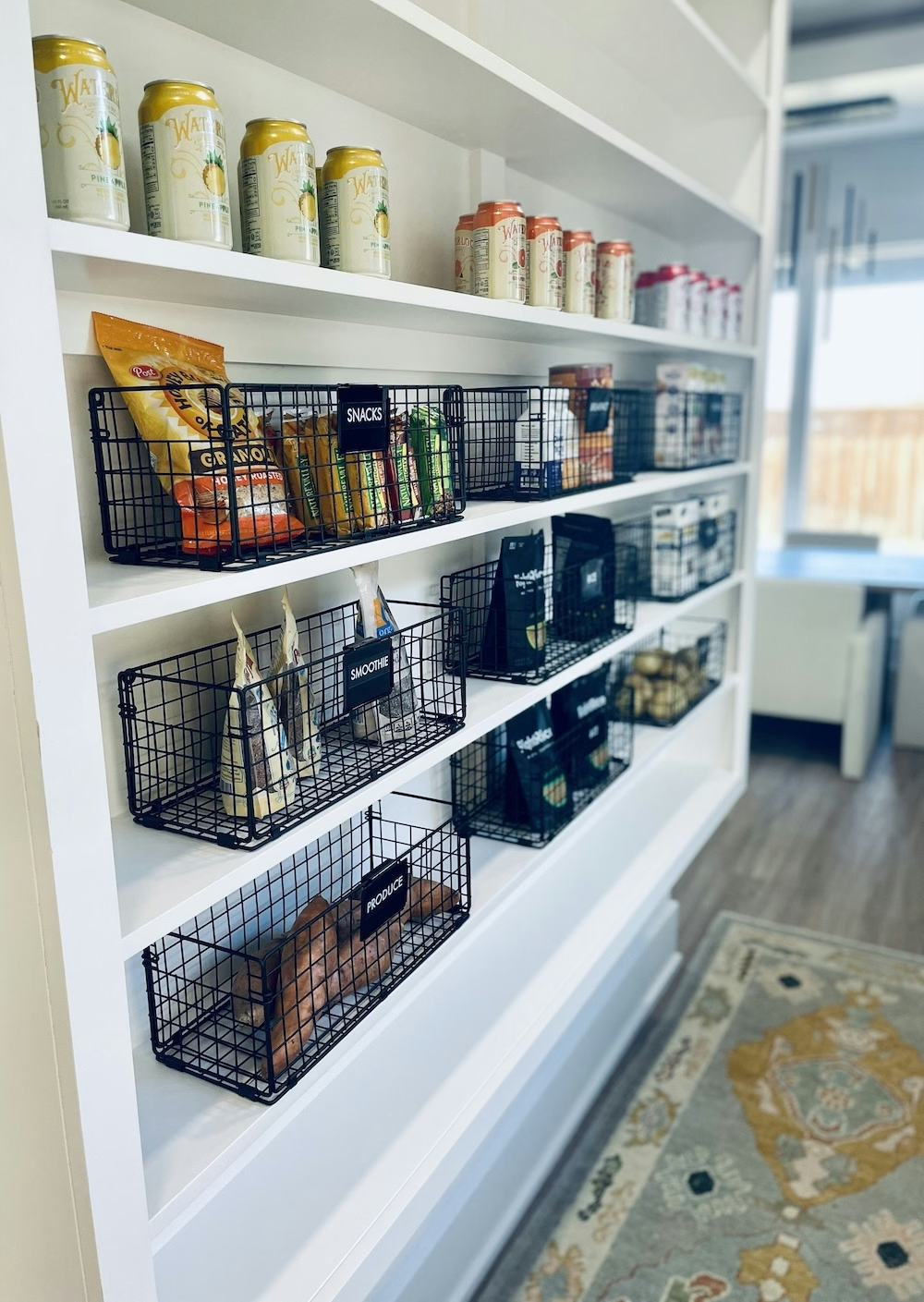
Systems That Keep Drawers Pristine
The most durable drawer systems are easy to understand at a glance. Each category should have a clear boundary, and the layout should allow you to remove one item without shifting everything around it. Adjustable dividers work well because they can change as your needs change. Small open containers can also separate batteries, cables, stationery, or grooming products inside a larger drawer.
Choose organizers only after measuring the drawer’s interior width, depth, and height. Include clearance for hinges, rails, and any lip around the drawer box. A beautifully made organizer that catches each time the drawer opens will soon become frustrating. Test the proposed layout with small cardboard boxes before purchasing permanent inserts.
Use labels where categories aren’t immediately obvious. A label inside a shared bathroom drawer helps everyone return supplies to the same compartment, while a date on a pantry bin makes older products easier to use first. Labels should describe broad, stable groups such as “charging cables” or “first-aid supplies.” Very narrow categories create extra sorting work and become outdated quickly.
Limit drawer contents to what comfortably fits within the dividers. When a compartment becomes full, review that category before adding another container. Five nearly identical pens or several unused charging cords can occupy the space needed for items you reach for every day.
A five-minute drawer check once a month prevents small problems from becoming full reorganizing projects. Remove debris, return objects to their compartments, and note any category that repeatedly overflows. Persistent overflow signals that the space allocation or storage location needs to change.
Beautiful storage earns its place when it supports ordinary life. The best sign of success is a drawer that still opens smoothly months later, with clean corners and enough room to put each item back without rearranging everything else.