Style at a Glance: Gustavian Interior Design

Some interiors feel elegant without being imposing. A pale painted chair, a carefully proportioned console and a mirror catching the daylight can give a room character without filling it with ornament. This is the appeal of Gustavian style: classical decoration with a sense of restraint. For this instalment of History of Styles, we travel to Sweden to explore a look that sits beautifully between formal period interiors and the relaxed rooms many of us enjoy today.
What is Gustavian style?
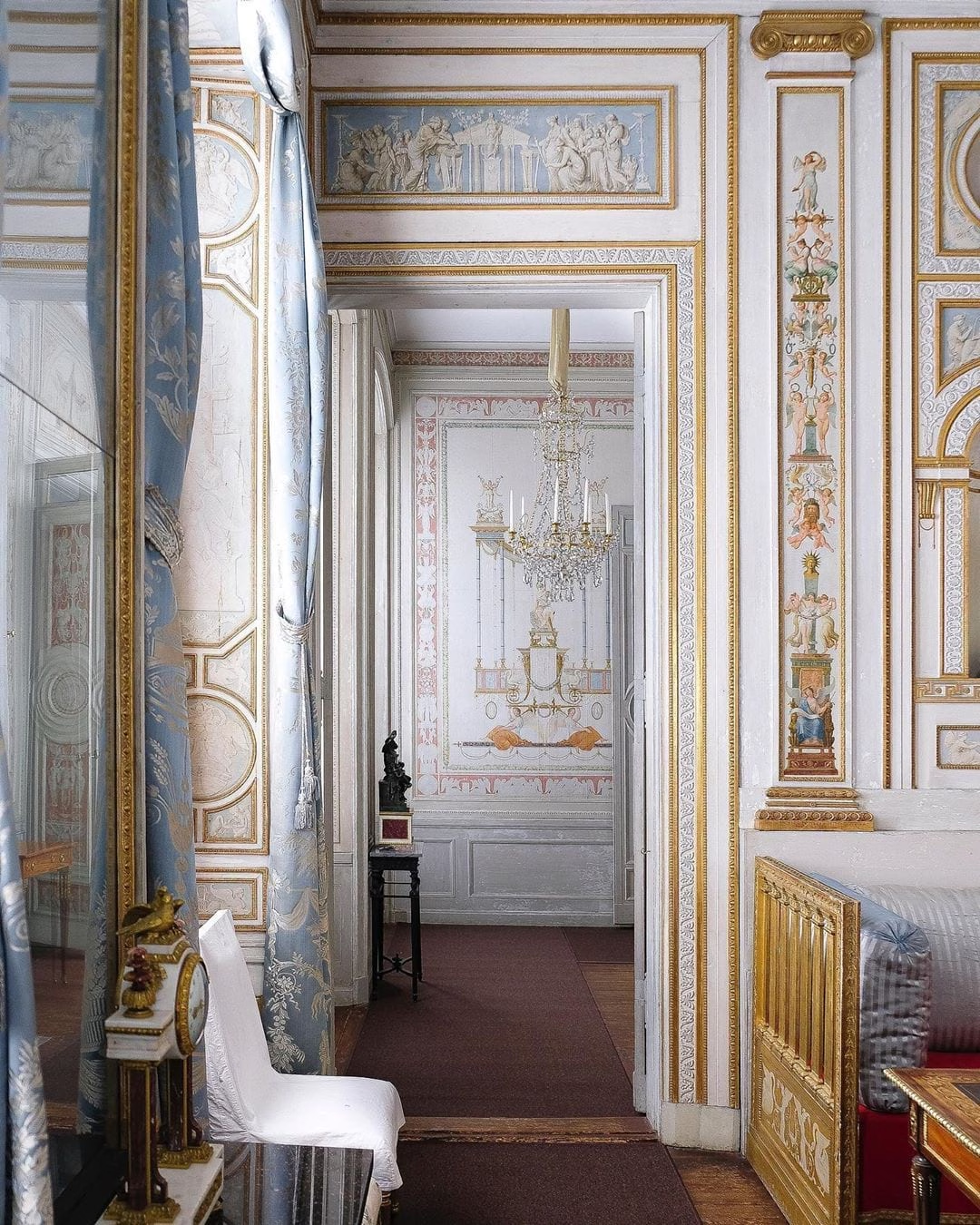
Gustavian is a Swedish interpretation of the neoclassical taste that spread across Europe in the late eighteenth century. Its name refers to King Gustav III, who reigned from 1771 to 1792; the period also extends into the reign of his son, Gustav IV Adolf.
It is closely related to French Louis XVI design. Symmetry, architectural shapes and references to antiquity became increasingly important as the flowing forms of Rococo gave way to straighter lines. The transition happened gradually, so individual pieces can combine features of both styles.
How to recognise Gustavian furniture
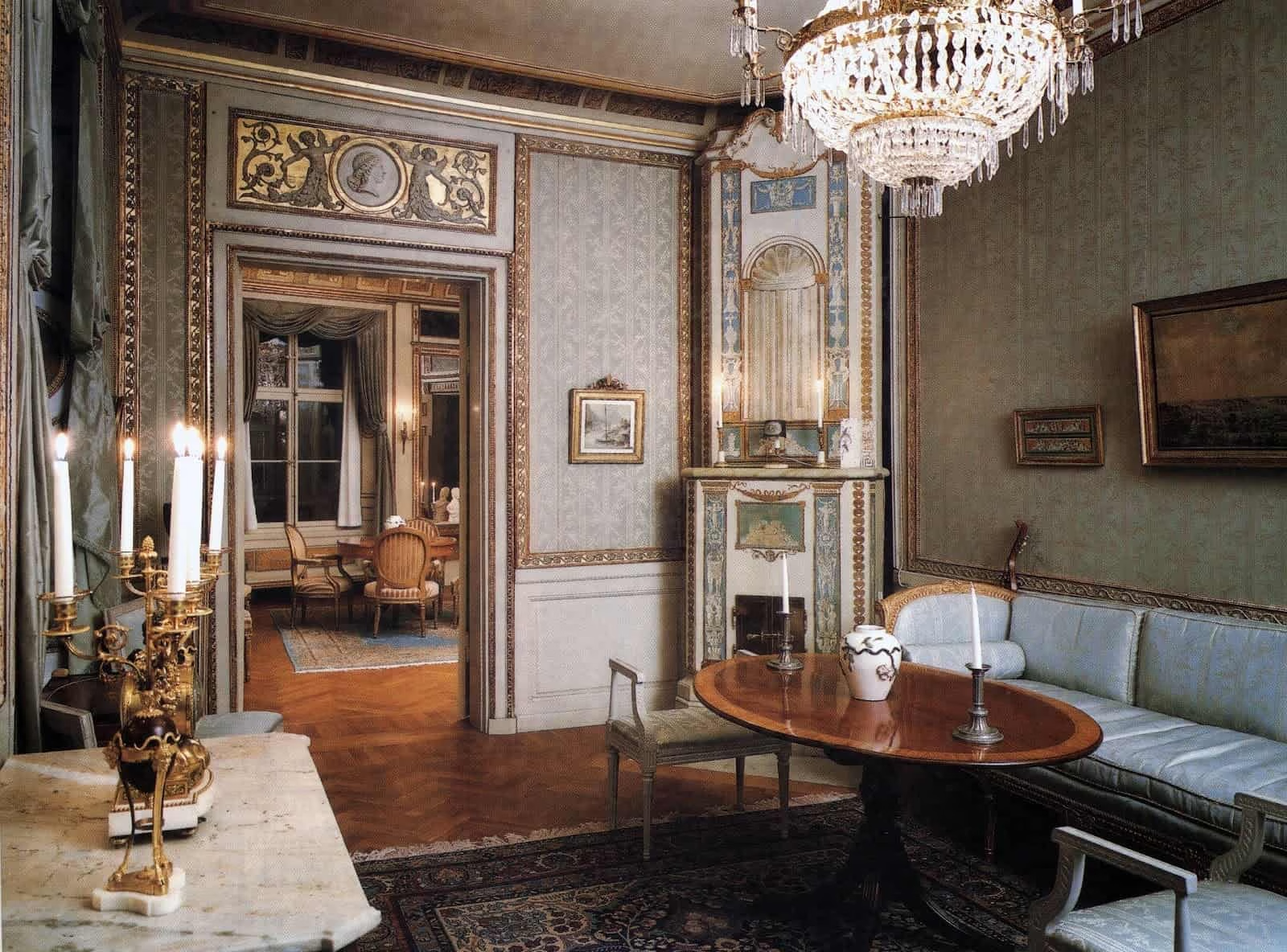
Look at the silhouette before the colour. Slender, tapering legs, sometimes carved with vertical grooves known as fluting, are useful clues. Rectangular and oval shapes appear frequently, while ornament includes classical wreaths and garlands.
A chair painted grey is not automatically Gustavian. Its proportions, construction and decorative vocabulary tell you much more than its finish.
The colour palette: beyond white and grey
Today, Gustavian-inspired decoration is often associated with chalky whites, soft greys and muted blues. These colours are an inviting starting point for a contemporary interpretation, particularly if you want antique furniture to sit comfortably alongside simpler pieces.
But the historic style was more varied than the familiar image of an all-white Swedish room suggests. Veneered furniture, sophisticated inlay and mahogany also belong to its story.
When decorating, I would avoid making every surface the same pale shade. A darker wooden table or a richly coloured ceramic piece can give a light room depth.
Historic examples to explore
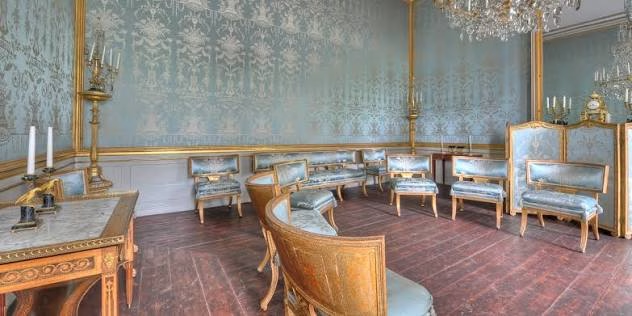
Gustav III’s Pavilion in Haga Park, Stockholm, is an excellent reference. Its interiors by Louis Masreliez demonstrate the more sophisticated, classically inspired side of the style. It is a valuable reminder that Gustavian design could be a royal expression of luxury. For furniture, look at Georg Haupt’s 1778 desk for Gustav III and Erik Öhrmark’s chairs in the Royal Palace’s Pillared Hall. The latter illustrate the overlap between Rococo and Gustavian forms.
Gustavian style versus shabby chic
The two can look similar in photographs, particularly when pale painted furniture is involved. However, they describe different things. Gustavian refers to a historical design tradition. Shabby chic is a later decorating approach associated with worn finishes, softness and an informal, romantic atmosphere. Distressed paint alone does not establish the age or identity of a piece. When buying an antique, ask about its date, provenance, repairs and whether its finish is original or later.
How to use Gustavian inspiration at home
You do not need to recreate an eighteenth-century interior. I would begin with one piece whose shape you love: perhaps a pair of dining chairs, a small console or a painted chest. Keep the surrounding decoration relatively quiet. Plain curtains, linen upholstery and a restrained wall colour allow the furniture’s details to remain visible. A mirror can bring light into the arrangement, while a small brass accent adds warmth.
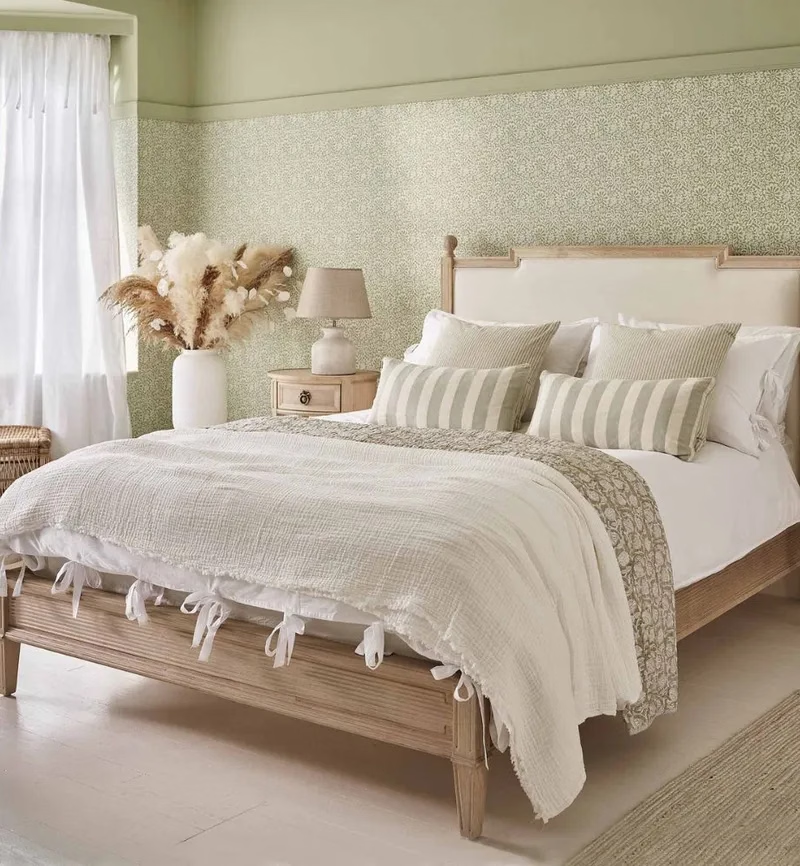
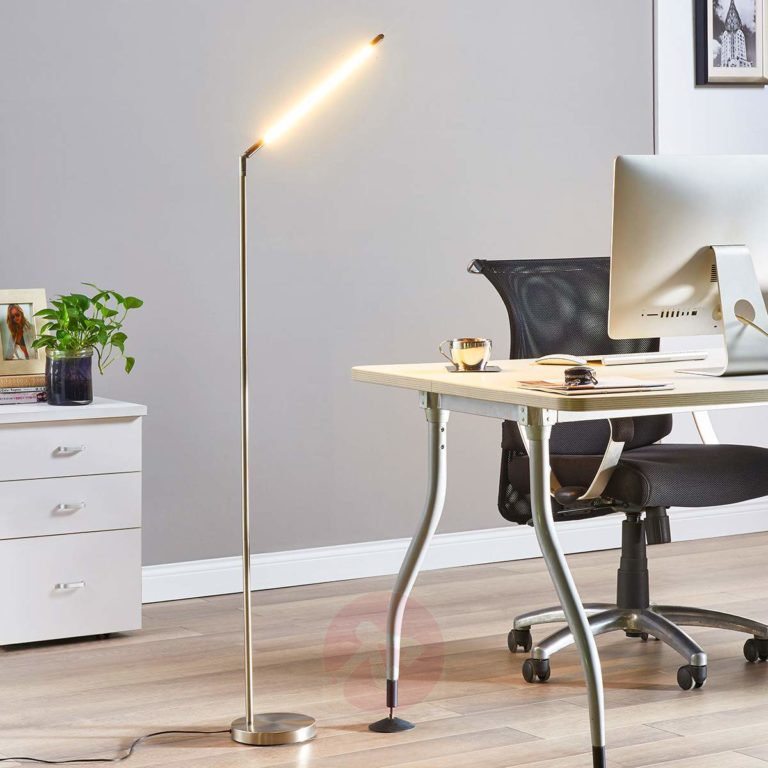
Balance is more useful than a perfectly matching set. Try a painted chair beside a simple wooden desk, or place a contemporary lamp on an antique chest. Leave enough space around each piece to appreciate its outline.
Why it still appeals
Part of Gustavian style’s charm is the ease with which it connects formal and informal decoration. Its classical references give a room structure, while a lighter contemporary interpretation can feel comfortable and welcoming.
Its enduring reputation has also been shaped by later revivals, museums and furniture makers. What we now recognise as “Gustavian” includes both the original period and generations of reinterpretation.
For me, the most useful lesson is to pay attention to proportion. Before adding another decorative object, look at the relationship between the furniture, the walls and the empty space. Sometimes an elegant outline is all a room needs.
Sources and further reading
● The Royal Palaces: A History of Style – Gustavian