Why Durable Statement Pieces Outlast Microtrends

Image Credit: Unsplash
A memorable garment can earn its place in a wardrobe for years, while a microtrend may feel dated after a single season. The difference often comes down to material, construction and a distinctive shape that still works with everyday basics.
Durable statement pieces also offer a practical way to build personal style, and there are fashion rules for wearing statement pieces well. Instead of replacing entire outfits whenever trends shift, you can rely on a few recognizable garments and update the layers around them.
The Rise of Longevity in Everyday Style
Shoppers are paying closer attention to how often they will wear an item and how well it will age. A useful test is to picture the garment in at least three settings, such as a casual weekend, a creative workplace and an evening event. If it fits each situation with minor styling changes, it has a stronger chance of staying in rotation.
Guidance on durable timeless apparel highlights the value of dependable fabrics and functional design. Look for secure stitching, useful closures and enough seam allowance to support future alterations. A striking color or unusual silhouette can still be versatile when the underlying construction is sound.
Historic Garments Built for Practical Wear
Many statement garments began as practical clothing shaped by climate, work and local materials. Pleats created room for movement, dense woven textiles provided warmth, and adjustable fastenings accommodated changes in fit. Those functional origins help explain why historic designs often remain wearable long after a novelty trend disappears.
A Scottish kilt offers a clear example. Traditional tartan versions carry a strong visual identity, while modern utility styles add storage and practical details for regular use. When considering a heritage-inspired piece, check how the fabric hangs, where the garment sits at the waist and whether its closures allow comfortable movement. These details matter more over several hours of wear than a dramatic first impression in the mirror.
Integrating Statement Cuts into Daily Looks
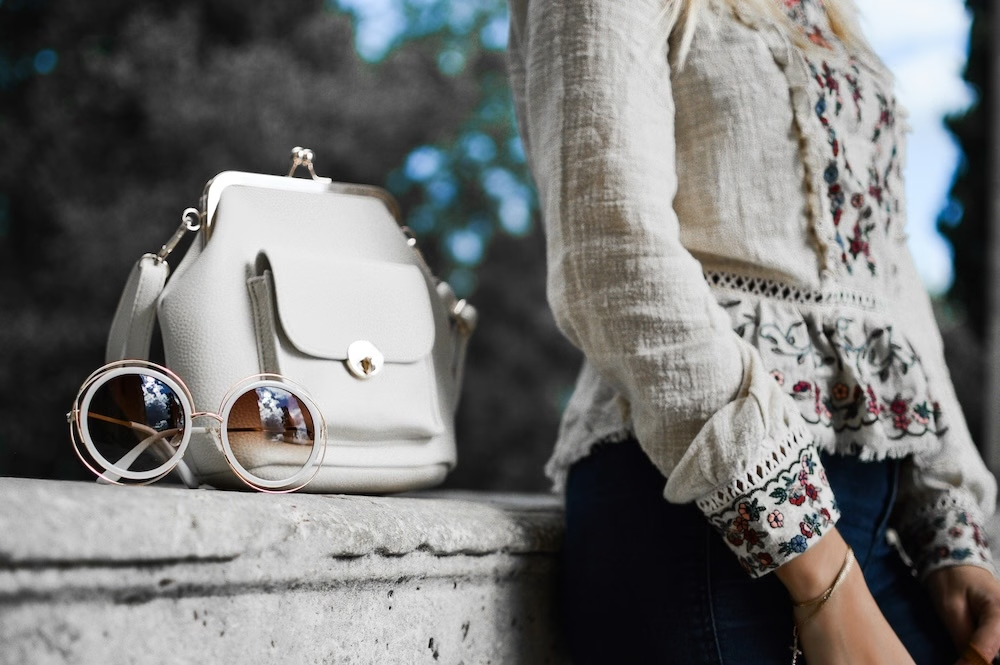
Give one distinctive garment the visual lead, then keep the surrounding pieces simple. A pleated wrap silhouette can work with a plain knit, clean boots and a short jacket. An architectural coat pairs easily with straight trousers and a solid-color shirt. Repeating one color from the statement piece elsewhere in the outfit also creates a deliberate connection without making everything match.
Proportion deserves equal attention. A full lower half usually benefits from a fitted or neatly tucked top, while an oversized coat works well over a narrow base layer. Before buying, assemble three complete outfits using clothes you already own. Take photos from the front and side, then check whether the piece looks balanced and allows you to sit, walk and reach comfortably.
Care Routines That Preserve Heavy Textiles
Start with the care label because wool blends, cotton canvas and dense synthetics respond differently to heat and moisture. Brush away surface dust after wear, air the garment before storing it and treat small marks promptly. Frequent full washing can strain fibers, fade color and distort structured pleats.
Advice on looking after clothes also supports careful storage and timely repairs. Use broad hangers for heavy jackets, but fold weighty knitwear so it doesn’t stretch at the shoulders. Fasten closures before storage and leave enough space around structured garments to prevent crushing. If a hem loosens or a button starts moving, repair it early. A five-minute fix can prevent torn fabric and a more expensive alteration later.
Durability becomes visible through use: softened fabric, secure seams and a shape that still feels intentional after dozens of outings. Choose the piece you can style three ways, care for according to its textile and imagine wearing several years from now. That is where statement dressing gains real staying power.