How to Sell Luxury Goods in a Boutique: Lessons from the Jewelry Business

Selling an expensive piece requires more than knowing its price and features. Customers need to feel comfortable exploring, understand what makes the product special, and trust the person helping them choose. Working in our jewelry boutique, L’Essenziale Jewelry in Marbella, has taught me how much the small details matter: a warm greeting, the space to browse, a thoughtful explanation, and the care taken when wrapping a purchase.
These lessons are especially relevant to independent designer brands. Customers may be discovering your name for the first time while considering spending several hundred or even thousands of euros. Part of your role is to introduce the product, explain the work behind it, and give them confidence in their choice.
Here are the principles I have found most useful in creating that experience.
1. Make everyone feel welcome from the moment they enter
Always acknowledge someone entering your boutique. It sounds obvious, yet I still visit shops where nobody looks up or offers a warm welcome. A smile, eye contact, and a friendly tone help someone feel that they belong. Offer that courtesy to every visitor, regardless of appearance or whether they seem likely to buy. Some customers are familiar with luxury shopping; others feel shy or intimidated. They may hesitate to ask a price or request a closer look at something behind glass. Your welcome should make those first steps feel easy. Even when you are helping another customer, a brief acknowledgement matters: “Welcome. Please feel free to look around, and I’ll be with you shortly.”
2. Let your body language show that you are available
Your posture communicates before you say much. If you are seated and able to stand, getting up can signal that you are ready to help. Face the shop floor, keep your posture open, and avoid looking absorbed in your phone or another task. Then give people room. Following someone closely from one display to another can make browsing uncomfortable. Stand at a respectful distance where they can easily catch your attention. Customers should feel that you have time for them, while remaining free to explore at their own pace.
3. Introduce the boutique without overwhelming the visitor
A neutral question can open a conversation naturally: “Have you visited us before?” or “Are you familiar with our brand?” If it is their first visit, offer a brief introduction to what you create and what makes the collection distinctive. A few thoughtful sentences are usually enough. In our boutique, this might mean explaining that we create handmade jewelry with natural gemstones and pearls, and that some designs draw inspiration from Marbella and the Mediterranean. I often finish by saying: “Please feel free to explore. I’m here if you have any questions.” Then give them that freedom. Allow the introduction to become a conversation if they are interested, or let them return to browsing.
4. Observe interest and offer specific help
Giving space still requires paying attention. If someone pauses over a piece, points it out to a companion, or returns to the same display, that can be an opportunity to offer help. A specific invitation is often easier to respond to than a general sales question: “Would you like to see that necklace more closely?”, “Would you like to try another size?”, “I can take that piece out so you can see the details.”
Their response matters. If they prefer to keep looking, step back. When they are interested, share something relevant: the inspiration behind the design, how a detail was made, or how the piece sits when worn. Mention that an item is a bestseller or part of a limited edition only when that is accurate. The most useful information connects directly to what has caught their attention.
5. Build a personal connection at the customer’s pace
Conversation can become more personal once a customer is engaged and comfortable. In Marbella, asking whether someone lives locally or is visiting can be a natural opening. Their answer may reveal that they are celebrating an anniversary, choosing a gift, or looking for a reminder of their holiday. Follow what they choose to share. A friendly exchange should feel comfortable rather than become a series of personal questions.
Product questions can also help you understand their needs: “Do you prefer a necklace that sits higher?”, “Would you wear this every day or for special occasions?”, “Is this a gift, or are you choosing something for yourself?” Listen carefully enough that your next suggestion reflects the answer. That is how personal service becomes meaningful.
6. Make the visit comfortable for companions, too
Practical hospitality can change the atmosphere of a visit. On a hot day, offer water. If someone’s companion seems tired, offer a seat so they can relax while the other person tries on jewelry, clothing, or a watch. A shopping visit can end early simply because one person is uncomfortable or ready to leave. Giving them somewhere pleasant to sit allows everyone to enjoy the experience at a more relaxed pace. Include both people in the welcome and let them decide how involved they want to be.In our boutique, we also offer champagne. Coffee or another drink can create a pleasant pause, but hospitality should feel freely offered, with no obligation to purchase.
7. Explain value through specific details
An unfamiliar brand cannot assume that customers already understand its prices. Explain the materials, the work involved, the design decisions, and the services that accompany the piece. Specific details give customers a clearer understanding of what they are considering. In jewelry, this means being able to explain the metal, gemstones, pearls, construction, and care requirements accurately. It also means describing the differences between pieces in language the customer can understand. For example, when comparing two pearl necklaces, you might explain differences in luster, size, shape, matching, or the clasp. Give customers something they can observe for themselves. Clear explanations help people make a confident decision. Avoid overwhelming them with technical information; focus on the details that matter to their choice.
8. Use a brand book and press coverage to tell your story
One of the most useful tools in our boutique is our jewelry brand book. While showing a piece, I can open the book to the collection and explain how the idea developed. Customers can explore the photographs and story alongside the jewelry itself. For an independent designer, a beautifully produced book makes the creative work more tangible. It gives the customer a broader view of the collection and the person behind it.
Magazine features can also provide useful context. A customer discovering your brand may appreciate seeing that a publication has featured your work. Introduce these materials when they fit the conversation. If someone is interested in a particular design, that is a natural moment to show its story or a related feature. Be accurate about what any coverage represents. These materials should support the customer’s understanding of the brand and product.
9. Offer customization when it answers a real need
Personalization can make a purchase feel especially considered. For clothing, that might mean tailoring or a choice of fabric. In jewelry, it could mean adjusting a necklace’s length, changing a clasp, or discussing another gemstone or metal where the design allows it. Introduce the relevant option when a customer expresses a preference. If they love a necklace but want it shorter, explain what you can do. If they prefer solid gold, discuss whether that version is possible. A small adjustment can make the difference between a piece they admire and one they feel is right for them. Confirm the details, additional price, and expected completion time before accepting an order. Personal service depends on delivering what you promised.
10. Help customers decide without rushing them
An expensive purchase may require time and comparison. Offer a manageable selection based on what the customer has told you. Invite them to try the pieces, look in a mirror, and consider how they will wear them. Explain differences in practical terms. One necklace may work better with an open neckline; another may be easier to wear every day. A ring may have a more prominent setting, while another feels more comfortable on the hand. If they hesitate, ask whether there is something they would like clarified. Their question may concern fit, care, price, or simply whether they will wear the piece often enough.
Give an honest answer. If you offer adjustments or another suitable option, explain them clearly. Once a customer has chosen, a straightforward question can help complete the purchase: “Would you like me to prepare this one for you?” Allow them time to answer.
11. Give packaging the attention it deserves
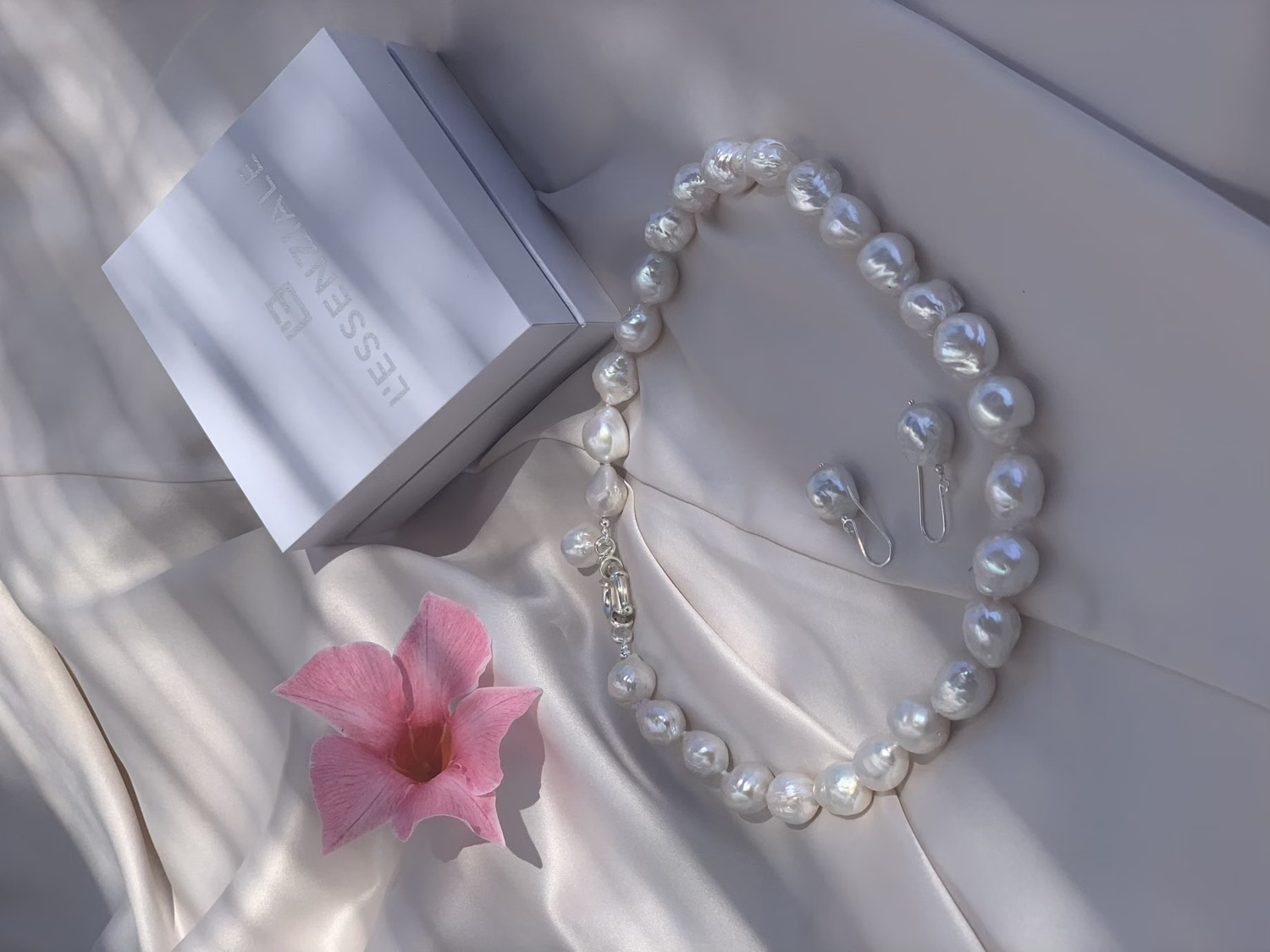
Packaging matters even though the customer has already decided to buy. After spending several hundred or thousands of euros, people want to feel pleased with their decision. The way you present their purchase becomes part of that feeling. A beautiful box, a carefully arranged piece, clean tissue paper, and a well-made bag all contribute to the experience. Each element should suit the product and protect it properly.
Handle the item with care. Explain what you are including, such as a care card, product details, or a polishing cloth where appropriate. If it is a gift, ask whether the customer would like a message included and make sure the presentation is ready to give. For jewelry, the box may also become the place where the piece is stored for years. Its usefulness deserves as much thought as its appearance.
12. Explain what happens after the purchase
Customers should leave knowing how to care for their purchase and where to turn if they need help. Explain any relevant care instructions and the support you actually offer. Depending on the product, that might include resizing, adjustments, repairs, cleaning, or advice about wear and storage. Be clear about which services are included and which may involve an additional cost. This is particularly valuable for an independent brand that the customer has only just discovered. Knowing they can contact a real person with a question can provide reassurance. Keep the explanation simple and include written details they can refer to later.
13. Remember preferences and follow up thoughtfully
When a customer returns, remembering something relevant can make the visit feel more personal. Perhaps they prefer shorter necklaces, usually choose silver, or were looking for earrings to match a particular piece. Use that knowledge to make useful suggestions, while allowing their preferences to change. If someone loves an item but is not ready to decide, you can offer to send a photograph or product details through their preferred channel. Ask first and agree on what would be helpful. A message containing the necklace they tried on, its dimensions, and the price may be all they need. Follow-up should have a clear purpose. Make it easy for the customer to continue the conversation when they are ready.
14. End every visit with warmth
The way you say goodbye matters whether or not someone makes a purchase.Thank visitors for coming, and make them feel welcome to return. Someone who is browsing today may come back later, recommend the boutique to a friend, or remember a piece when a special occasion approaches.For customers who buy, finish with the same care you gave them at the beginning. Hand over the purchase thoughtfully, check that they have the information they need, and thank them personally.ee