How Natural Light Transforms Cramped Interiors

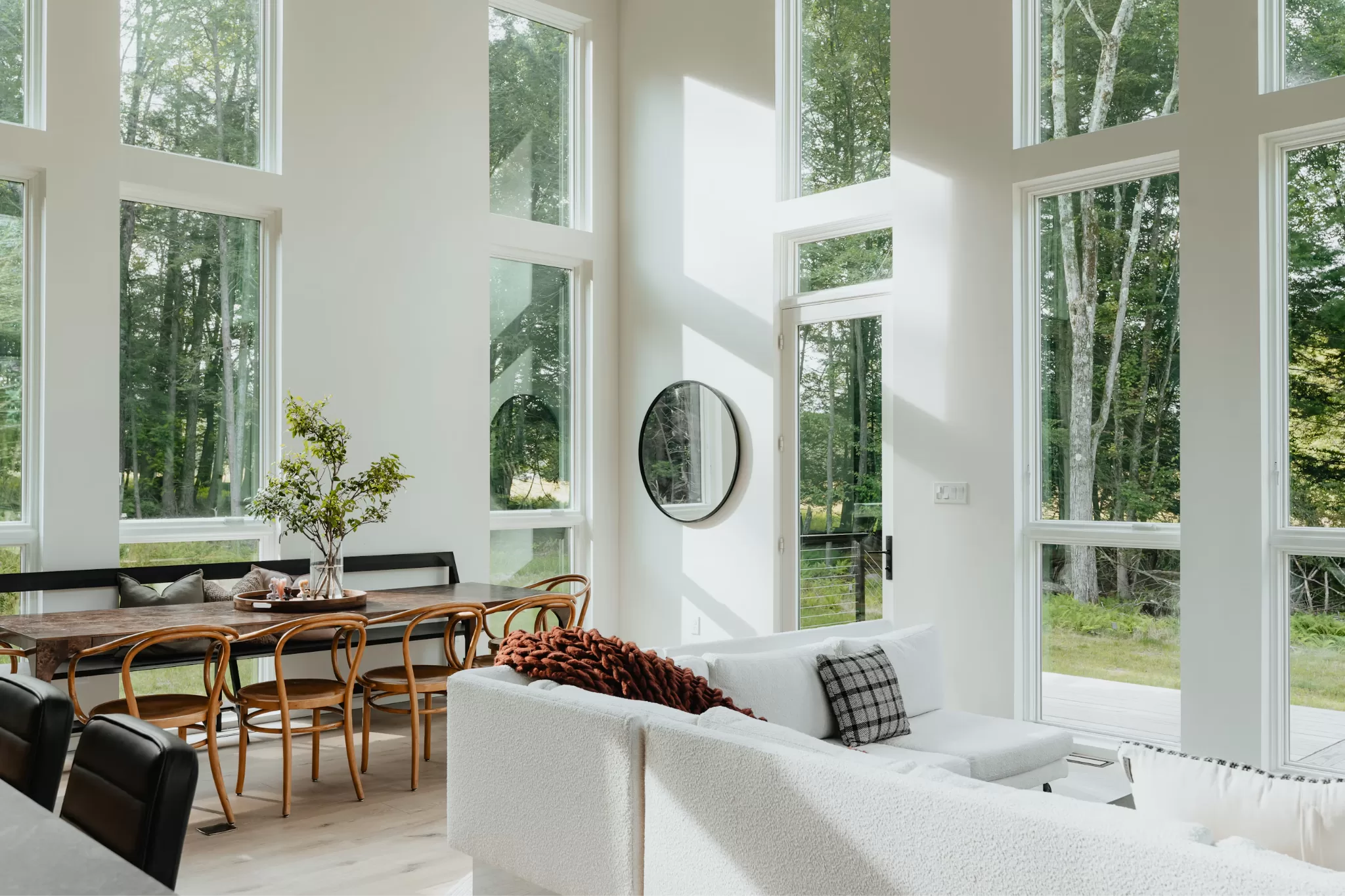
Image Credit: Unsplash
Small rooms often feel cramped because daylight stops near the window, leaving corners, corridors and adjoining spaces in shadow. More natural light can make those same rooms appear wider, calmer and easier to use without changing their physical footprint. Start by identifying where sunlight enters, then remove visual barriers and choose surfaces that help carry it through the interior. The result can improve both the mood and function of your home.
The Psychology of Bright Living Areas
Daylight helps your eyes read the full depth of a room, so walls seem farther apart, and ceilings feel higher. Dark corners have the opposite effect because they make boundaries less distinct. Natural light can also support healthy sleep patterns by helping regulate the body’s internal clock, according to the effects of light as explored in this home design guide.
Keep window ledges clear and move tall furniture away from direct light paths. A mirror placed across from a window can brighten a dim wall, while pale paint with a soft sheen reflects more light than a flat, dark finish. These natural light ideas also include using reflective accessories and choosing window treatments that don’t block the glass when open.
Clever Solutions for Windowless Hallways
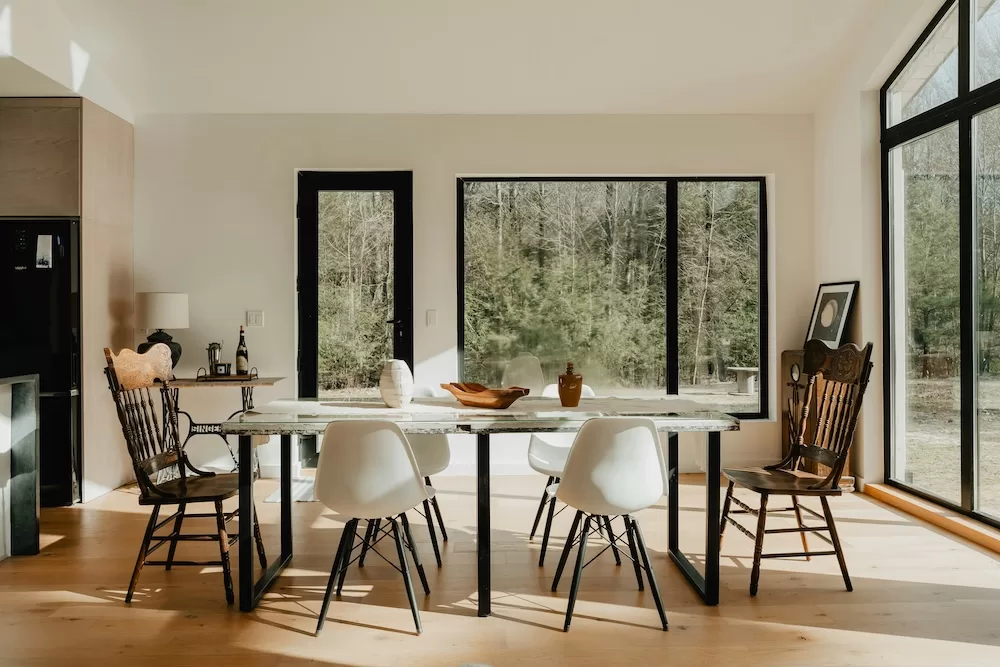
A windowless hallway needs borrowed light from nearby rooms. Glazed interior doors are especially useful because they preserve separation while allowing daylight to pass between spaces. For example, a pair of glass-panelled doors between a living room and hall can turn a gloomy passage into a brighter transition area. If the layout allows, you could install French doors to create a wider opening that lets more natural light flow between adjoining rooms.
Smaller changes also help. Replace a solid transom above a doorway with glazing where construction permits, use light-coloured runners and hang a mirror near the brightest adjoining room. Choose warm white bulbs for evening use, ideally around 2700 to 3000 kelvins, so the hallway remains comfortable after daylight fades.
Bring Sunlight Deeper Indoors
Trace the path of daylight at three points during the day before moving furniture or planning renovations. A room that looks dark at breakfast may receive strong afternoon sun, which affects where mirrors and reflective finishes will work best. Interior doors with glass panels, open shelving and low-backed furniture all let light travel farther than solid, full-height pieces.
Colour placement matters too. Use the palest finish on the wall opposite the main window, then introduce richer colour through cushions, artwork and smaller furnishings. The daylight design strategies described by the Interior Design Institute include using reflective materials, open layouts and carefully positioned mirrors. Even trimming dense plants outside a window may restore useful daylight, provided the work respects property lines and local rules.
Choosing the Best Glass Finishes
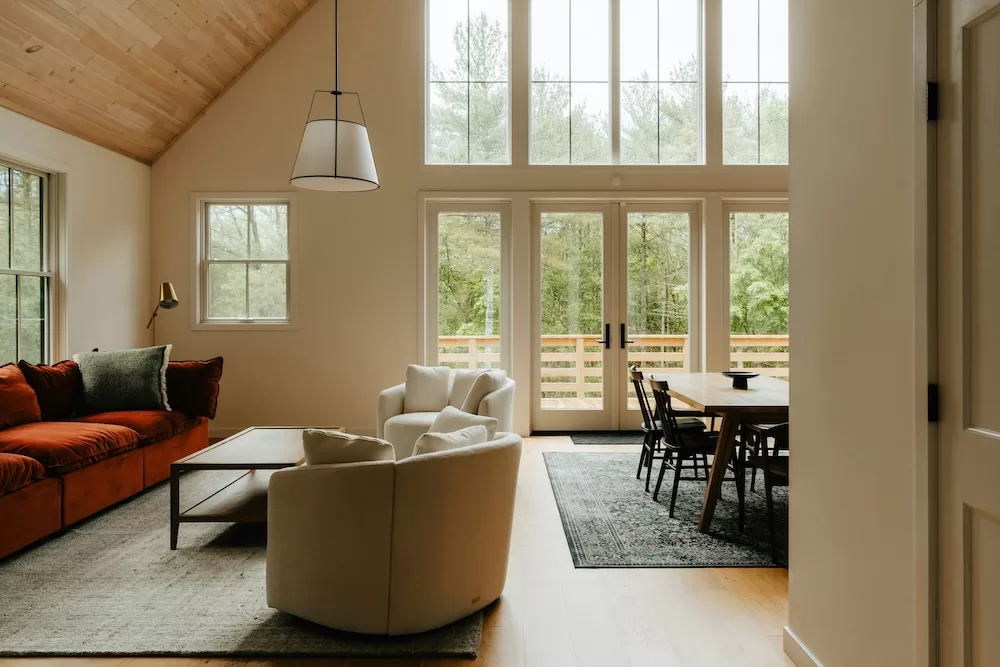
Clear glass transfers the most light and suits shared living areas where privacy isn’t a concern. Frosted or etched glass softens views while still brightening hallways, bathrooms and home offices. Reeded glass offers partial screening with a decorative vertical pattern, though shapes and movement may remain visible through it.
Before choosing a finish, stand on both sides of the proposed door during daytime and evening hours. This simple check reveals how much privacy you’ll have when one room is brighter than the other. Ask for a sample large enough to view against the actual light source since a small showroom chip can be misleading. For a cramped interior, choose the least opaque finish that still meets your privacy needs. A well-placed glazed door can then keep the far end of the hall visibly bright long after the nearest room first catches the sun.