
How to Prepare Your Dining Room for a Comfortable Thanksgiving Dinner

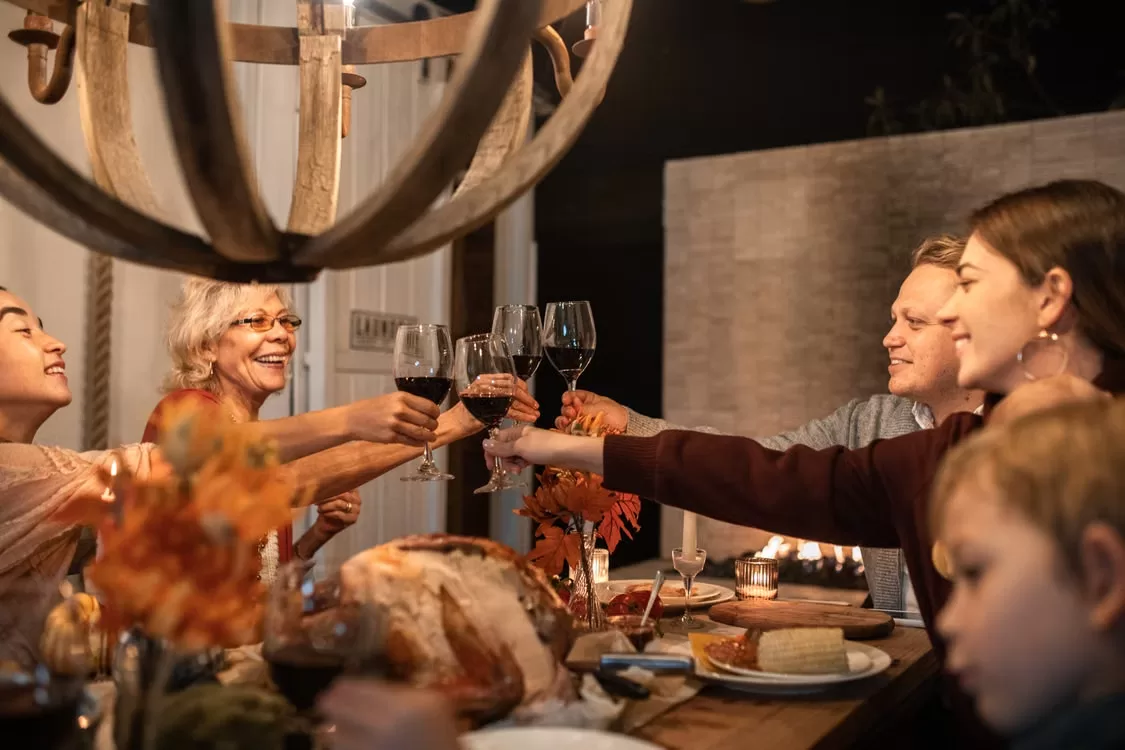
Image Credit: Pexels
A welcoming holiday dining space needs enough room for guests to sit comfortably, move around the table, and enjoy a meal that may last several hours. Before setting out linens and decorations, check the practical details that shape the experience. Table clearance, supportive seating, a manageable menu, and flexible lighting can prevent common hosting problems. A quick rehearsal with the furniture in place will reveal far more than measurements alone.
Calculate Dining Table Clearances
Start by measuring from the table’s edge to the nearest wall, cabinet, or large piece of furniture. Most dining furniture dimensions recommend at least 36 inches of clearance. That allows a guest to pull out a chair and sit down, though 42 to 48 inches works better where people need to walk behind occupied seats.
A detailed table clearance guide can help you compare layouts before moving heavy furniture. Mark the proposed table edges on the floor with painter’s tape, then place chairs around the outline, keeping in mind how to choose dining table height. Pull each chair back as a guest would and walk behind it while someone is seated. If the route feels tight, remove an extra chair or relocate a sideboard temporarily. Leave the clearest path between the dining area and kitchen since serving dishes will travel through it repeatedly.
Check Seating Comfort and Back Support
Match the number of chairs to the space, not simply to the guest list. Each diner generally needs about 24 inches of table width to avoid bumping elbows. Corner legs, wide chair arms, and thick table bases can reduce usable space, so test every position individually.
Sit in each chair for at least 10 minutes. Check that feet rest naturally on the floor and that the back offers steady support. A loose joint or compressed cushion may feel minor during a quick test but become distracting over a long dinner. Tighten hardware, add firm seat pads where needed, and reserve the most supportive chairs for older guests or anyone with mobility concerns.
Simplify the Feast with Outsourced Dishes
Choose which dishes deserve your attention and assign the rest elsewhere. A family recipe may be meaningful enough to prepare at home, while rolls, desserts, and several side dishes can come from a professional kitchen or trusted local bakery. This division keeps the meal personal without filling every burner and countertop.
For hosts who want to spend less time cooking, ordering part or all of the holiday meal can simplify preparations. Families in Fairfax can explore Thanksgiving catering for options such as prepared turkey packages, side dishes, desserts, or a prime rib meal. Before placing an order, confirm serving quantities, dietary requirements, delivery or pickup times, and any reheating instructions so the food is ready when guests sit down.
Confirm serving sizes before ordering. Ask how many people each tray feeds, what must be refrigerated, and how long reheating takes. Delivery or pickup times should leave a buffer of at least an hour before guests arrive. Transfer prepared food to your own serving dishes early, then attach a small note with the required oven temperature and heating time.
Keep the table itself restrained. Place only dishes that guests will pass easily, moving backups and bulky containers to a nearby console. Water pitchers at both ends of a long table also reduce traffic during dinner.
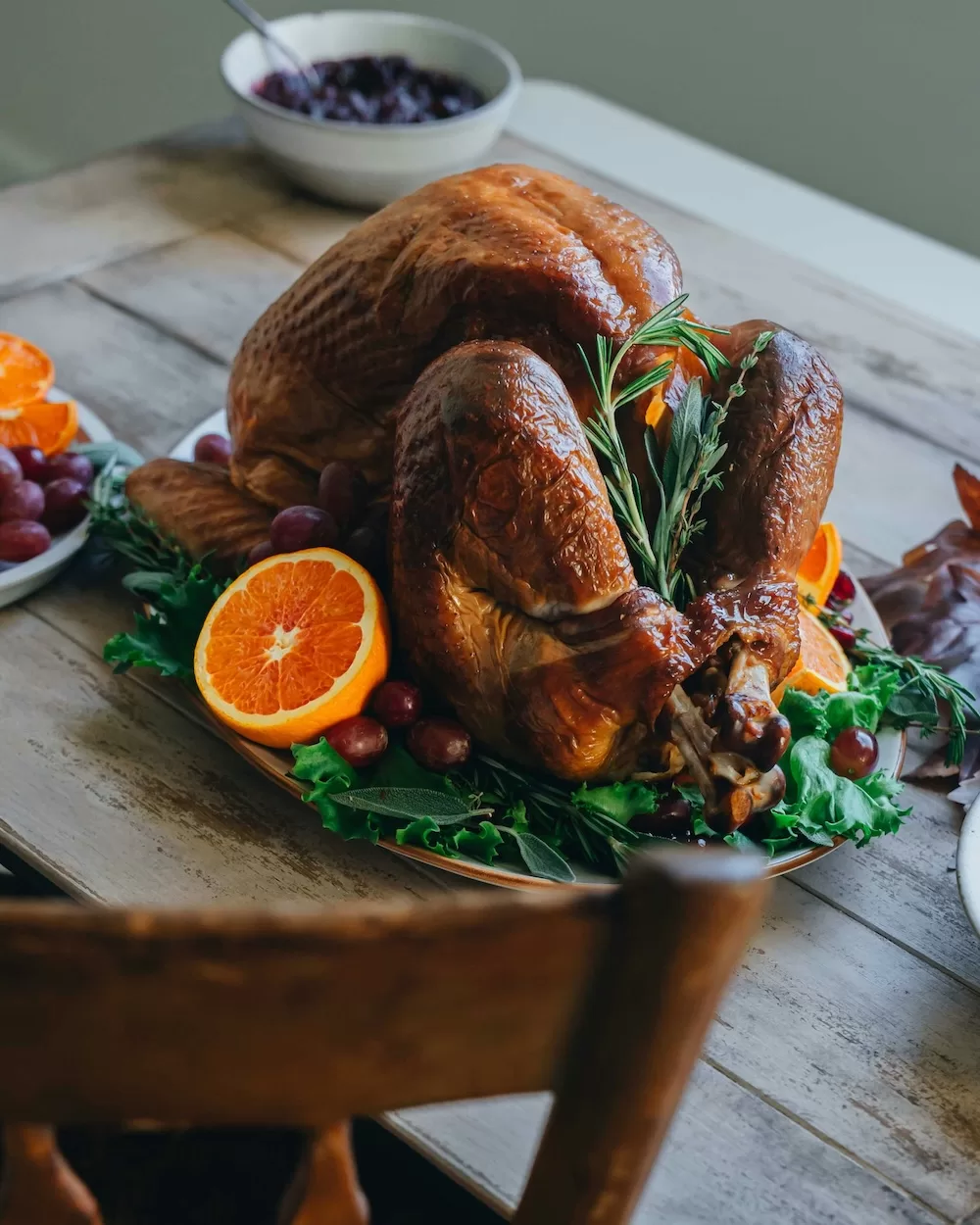
Set Dimmable Lighting for Long Evenings
Plan lighting for both serving and conversation. Guests need enough light to see the food clearly at the start of dinner, but the same brightness may feel harsh once plates have been cleared. Dimmable overhead fixtures let you lower the level gradually as the evening continues.
Aim for warm light around 2700K to 3000K, which generally complements wood tones, table linens, and holiday colors. If the main fixture creates strong shadows, add shaded lamps on a sideboard or console. Keep electrical cords away from walking paths and check that decorative lights don’t flicker or shine directly into anyone’s eyes.
Candles can add a soft glow if they’re unscented and placed in stable holders below eye level. Strong fragrances compete with the aroma of the food, while tall arrangements can block conversation. Test the completed setup after sunset, sit in several chairs, and adjust the dimmer until faces and place settings remain easy to see.
Once the table is set, carry a serving platter along the kitchen-to-table route and take a seat in the tightest chair. That simple rehearsal will expose blocked paths, awkward lighting, and cramped place settings before the doorbell rings.