How to Choose Renovation Materials That Add Lasting Value to Your Home

Image Credit: Pexels
A well-planned renovation can raise a home’s value, improve everyday comfort and reduce future maintenance costs. Materials influence all three outcomes, so decisions about flooring, doors, insulation and exterior finishes deserve as much attention as the layout. The best choices suit the property, cope with daily use and appeal to a broad range of future buyers without making the space feel generic.
First Impressions Matter
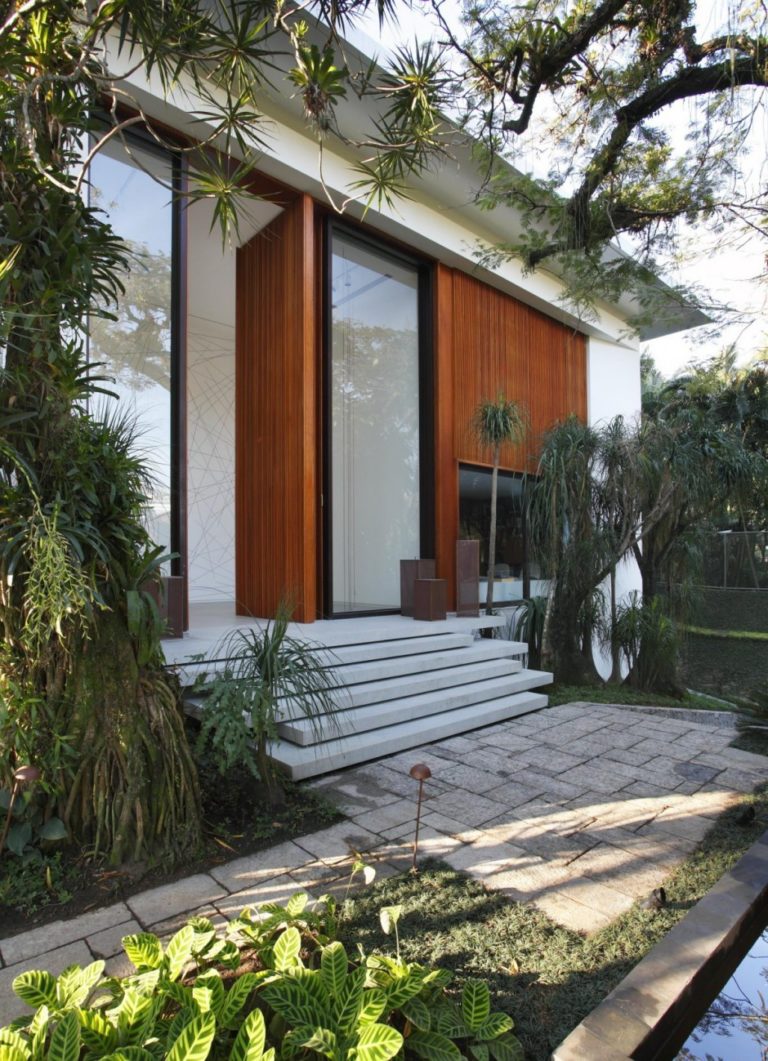
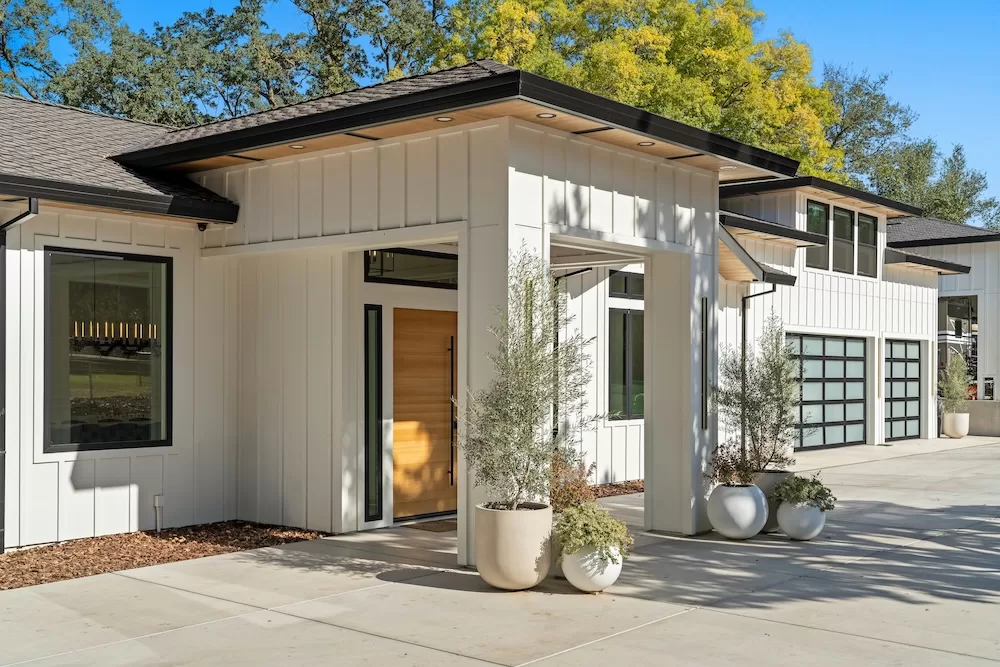
Buyers often form an opinion before they’ve seen the kitchen or inspected the bedrooms. A tidy entrance, an attractive front door and well-maintained exterior finishes suggest that the rest of the property has received similar care.
Start with visible defects such as cracked paving, peeling paint and damaged trim. Choose exterior materials designed for the local weather and keep colours consistent with the property’s character. Small details matter too. Coordinated door furniture, clear house numbers and a durable doormat can make the entrance feel finished. These simple curb appeal upgrades offer further ideas for creating a welcoming exterior without undertaking major structural work.
Durability for Long-Term Gain
Hard-wearing materials may cost more at the start, but they can prevent repeated repairs and early replacement. This is especially relevant in hallways, kitchens and family living areas where surfaces receive heavy daily use.
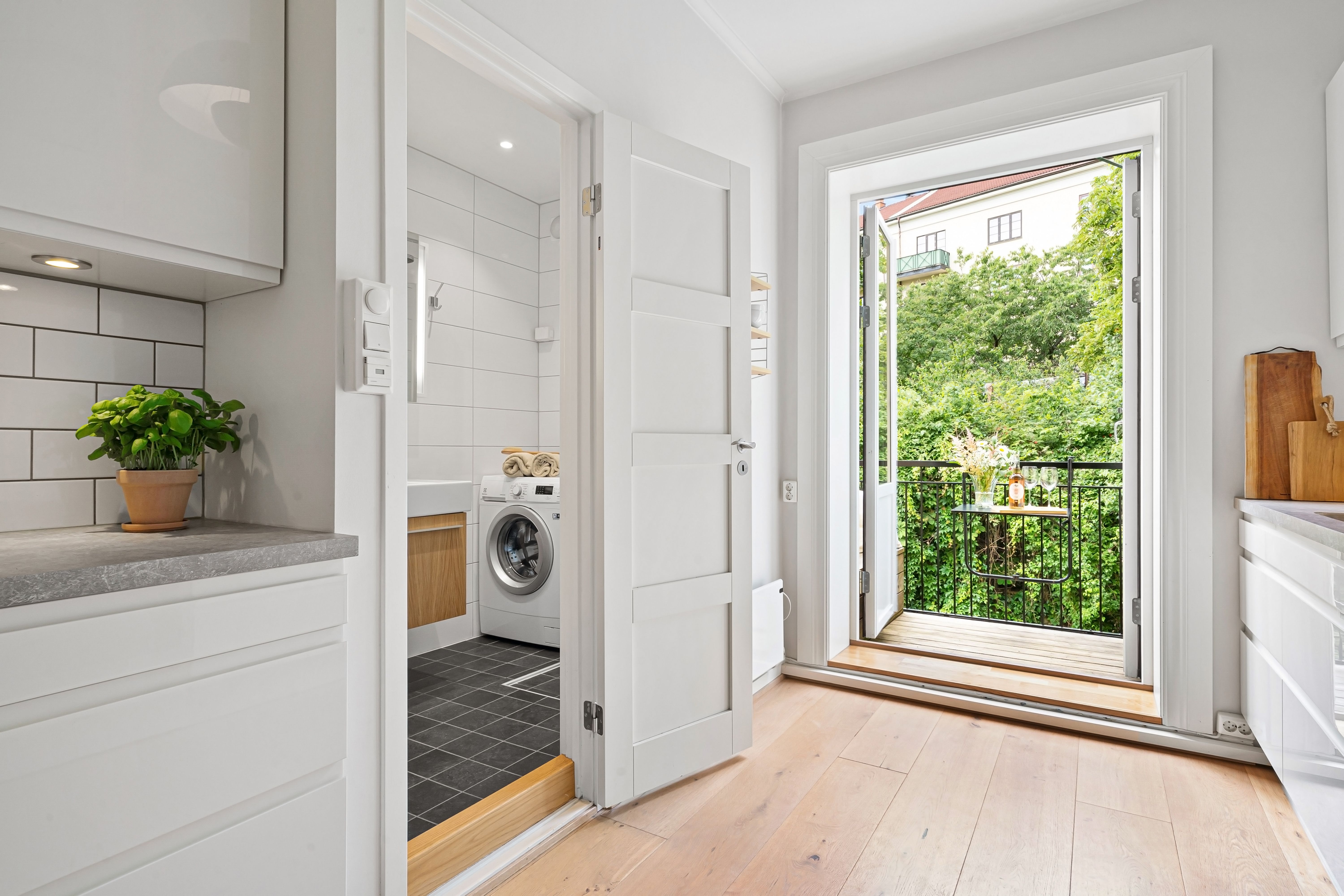
Before ordering, compare warranties, maintenance requirements and expected service life. Engineered wood can offer greater dimensional stability than some solid timber products, while porcelain tiles resist moisture and staining in busy rooms. Quality internal doors also cope better with repeated use and can improve the sense of solidity throughout a home.
When you’re ready to compare wood flooring, internal doors or general project supplies, visit JJ Building Materials to review options available to trade professionals and DIY enthusiasts with UK delivery.
Sustainable Choices
Sustainable renovation starts with buying materials that last and ordering accurate quantities to limit waste. Look for responsibly sourced timber, products with recycled content and finishes with low levels of volatile organic compounds. Reclaimed bricks or floorboards can also add character, although their condition and dimensions need careful checking.
Consider energy performance at the same time. Effective insulation, draught-resistant doors and suitable glazing can make rooms more comfortable while lowering heat loss. Retaining sound materials is often sensible too. A solid timber floor may only need sanding and refinishing, while existing cabinets can sometimes accept new fronts and handles. Reuse keeps usable items out of disposal streams and preserves more of the renovation budget.
Higher Appeal
Market appeal comes from improvements that make a home easier to live in. Neutral, durable surfaces usually give prospective buyers enough freedom to imagine their own furniture and colour choices. Consistency helps as well, particularly when flooring runs through connected spaces.
Published guides to home value improvements commonly highlight practical updates such as fresh finishes and improved energy efficiency. Separate property improvement data also points to the value of projects with broad buyer appeal.
Avoid highly personal materials in permanent installations. A vivid wall is simple to repaint, but unusual patterned tiles across an entire kitchen are costly to change. If you enjoy bold design, introduce it through lighting, textiles and accessories that can be updated easily.
Key Materials for Renovation Projects
Prioritise the materials that affect performance as well as appearance. Flooring should suit the room’s moisture level and foot traffic. Internal doors need the correct size, construction and finish, while wall materials must work with the planned fixings and final surface.
For a typical renovation, review these areas before ordering:
- Flooring thickness, underlay requirements and expansion gaps
- Door dimensions, opening direction and compatible ironmongery
- Insulation type, depth and intended location
- Adhesives, sealants and finishes approved for the chosen surface
- Spare material for cuts, breakages and later repairs
Order samples whenever possible and view them in the room during daylight and after dark. Colour temperature from artificial lighting can noticeably change the appearance of timber, paint and tiles.
Expert Advice for Your Project
Speak to a builder, surveyor or experienced supplier early when a project involves structural changes, damp, insulation or unfamiliar products. A short conversation can reveal hidden costs, such as the need to level a subfloor before laying boards or adjust door frames after installing thicker flooring.
Prepare room measurements, photographs and a simple description of the result you want. Ask about delivery access, storage conditions and lead times before confirming an order. Timber products, for example, may need time to acclimatise inside the property before installation.
Finally, keep one labelled spare pack of flooring or tiles after the work is complete. If a section becomes damaged several years later, you’ll have an exact match instead of relying on a colour or pattern that may no longer be available.