The Art of Mixing High-Low Fashion Elements

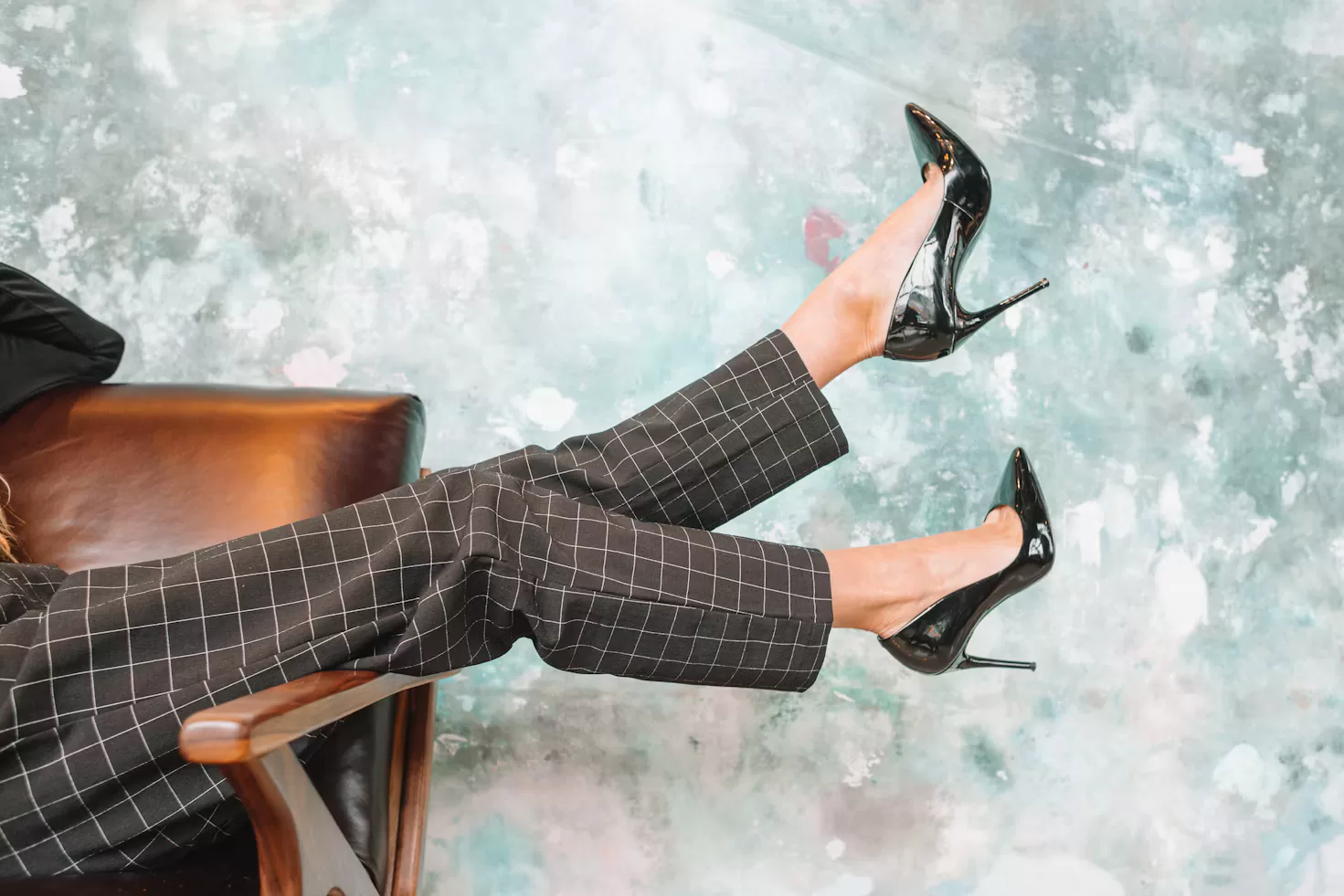
Image credit: Unsplash
High-low fashion gives everyday outfits more personality by combining polished pieces with relaxed, accessible favorites. A tailored blazer can sharpen faded denim, while playful shoes can make a simple dress feel intentional. The appeal comes from contrast, but the overall look still needs a clear visual thread. Color, proportion, and texture help separate a thoughtfully styled outfit from a random collection of clothes.
Defining High-Low Style
High-low style mixes items from different price points, dress codes, and design traditions in one outfit. A silk blouse might sit alongside loose jeans, or a vintage bag might finish a contemporary suit. It shows how contrast can give familiar wardrobe pieces a fresh identity.
Start with one polished item and one casual element. Try a structured jacket with a white T-shirt, or pair tailored trousers with a simple knit. Repeating one color across both pieces creates cohesion, even when their fabrics and moods differ.
Balancing Casual and Formal
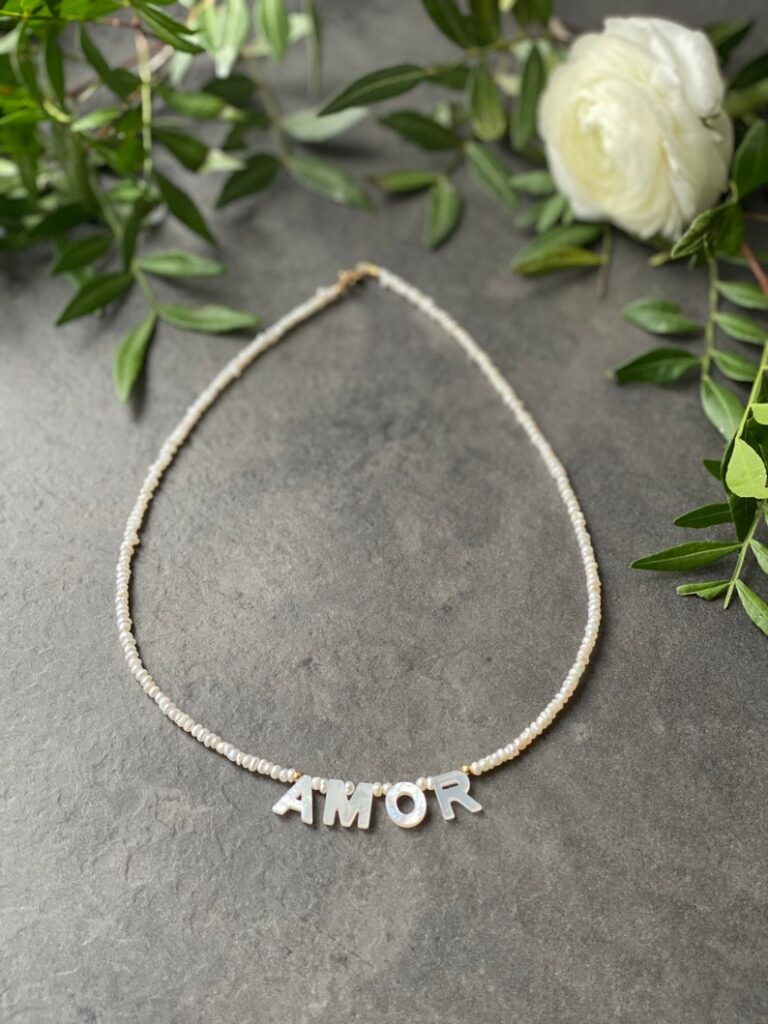
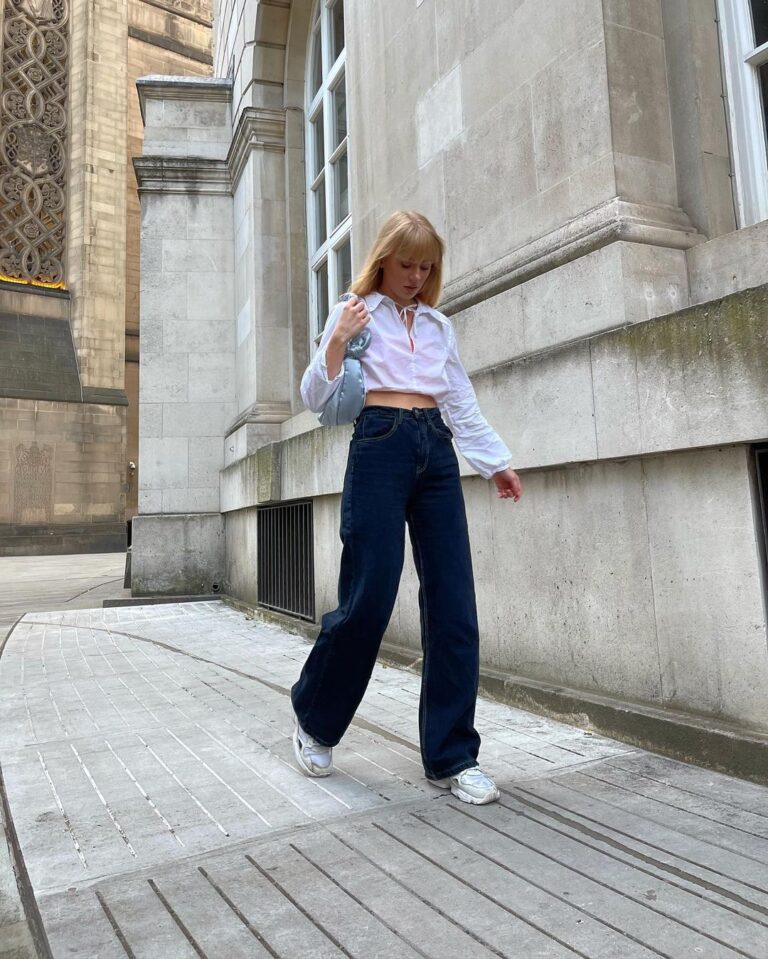
Choose which side of the outfit should lead based on where you’re going. For an informal dinner, dark denim and a crisp button-down create a practical base. Add expressive footwear or jewelry for character. At a creative office, wide-leg trousers can work with a fitted cotton top and a relaxed cardigan.
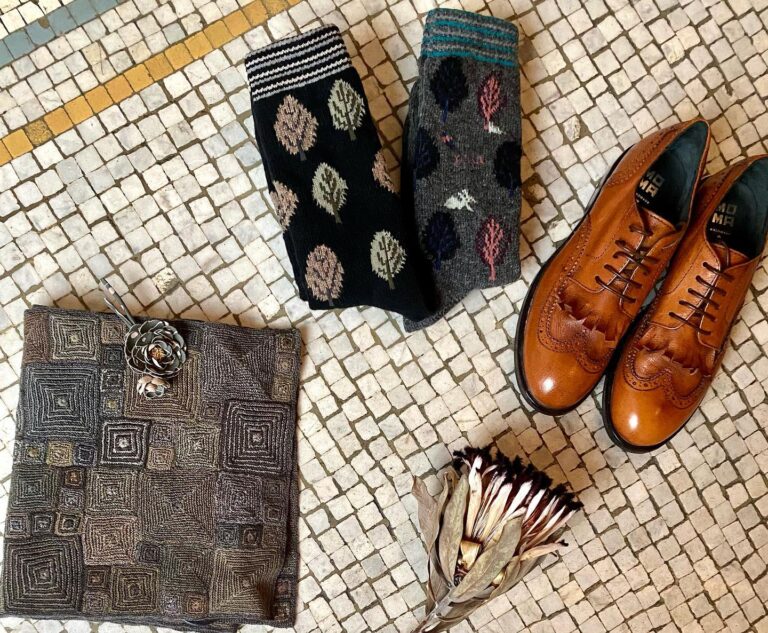
Shoes often determine how formal the result feels. A sleek loafer or ankle boot can sharpen a relaxed outfit, while a softer sandal can make tailored pieces feel less structured. Keep the surrounding colors controlled when the footwear has a strong silhouette, then echo one detail through a bag or accessory.
Footwear as a Statement Piece
Statement shoes work best when the rest of the outfit gives them visual space. A sculptural sandal, colorful loafer, or sleek ankle boot can become the focal point beneath a neutral dress. Pieces such as platform sandals by Melissa can add height, shape, and a more playful finish to simple summer outfits or cropped trousers. Hem length matters too. Cropped pants reveal more of an unusual shoe, while a midi skirt creates movement without hiding it.
Comfort deserves equal attention. Check that the heel feels stable and that your toes have enough room before building an outfit around a pair. If the design has a bright color or glossy finish, repeat that quality once elsewhere, perhaps through sunglasses or a small bag. One subtle connection is usually enough.
Building a Unique Personal Look
Personal style becomes clearer when you notice what you repeatedly enjoy wearing. Photograph outfits that feel especially successful, then look for patterns in their proportions, colors, and fabrics. You may find that you prefer fitted tops with fuller bottoms, monochrome foundations, or one playful accessory against classic clothing.
The practical ideas behind high-low outfit styling also translate across different aesthetics. Someone with a romantic wardrobe could combine a flowing skirt with a plain sweatshirt. A minimalist might wear an impeccably cut coat over sneakers and straight-leg jeans. Repetition builds a recognizable signature without making every outfit identical.
Investment Pieces vs. Trendy Buys
Spend more on pieces that carry heavy use and require a dependable fit. Coats, everyday bags, tailored pants, and versatile shoes often justify a larger share of the budget because they appear across seasons. Before purchasing, imagine at least three outfits using clothes you already own. Cost per wear offers a more useful measure than the price tag alone.
Treat short-lived trends as experiments. A vivid accessory, unusual texture, or fashionable top can refresh your wardrobe without forcing a full overhaul. Resale shops and clothing swaps are useful places to test a new direction at a lower cost.
The most convincing high-low outfit often starts with a trusted staple, then gains energy from one unexpected choice.