Home Improvements That Add Value Without Over-Improving Your Property

Image Credit: Unsplash
Home improvements add value when they solve visible problems, improve daily routines and suit the property’s price range. The strongest projects usually combine broad buyer appeal with durable materials and practical design.
Before spending, list the rooms that feel dated, crowded or difficult to use. Compare that list with recent sales in your area, then set a budget that includes a 10 to 15 percent contingency for unexpected repairs. This process helps you focus on upgrades that buyers can appreciate without over-improving the home.
Upgrades with High ROI
Start with maintenance and presentation. Fresh paint, repaired flooring, modern light fixtures and working doors create an immediate sense that the home has been cared for. Neutral wall colours such as warm white, pale greige and soft beige also give buyers an easy backdrop for their own furniture.
Focus next on changes that improve function. Storage, lighting and energy efficiency can also influence how comfortable a property feels during a showing.
Build your project list around three questions:
- Does this upgrade correct an obvious problem?
- Will most households find it useful?
- Is the cost reasonable for the neighbourhood?
A luxury finish may have limited value if nearby properties use standard materials. In contrast, replacing worn laminate with a durable mid-range surface can improve appearance without pushing the project beyond what the market supports. Reviews of high-return renovations can help you compare common projects, but local contractor quotes and comparable sales should guide your final budget.
Keep invoices, warranties and product details after the work is complete. Buyers may appreciate knowing when flooring, fixtures or built-in storage were installed, especially if those features still have manufacturer coverage.
Kitchen and Bathroom Impact
Kitchens and bathrooms carry extra weight because renovations in these rooms can be expensive and disruptive. A clean, functional space reassures buyers that they won’t need to start a major project immediately after moving in.
A kitchen refresh may involve painting cabinets, replacing damaged hardware and installing a brighter backsplash. Correct dim task lighting over counters and ensure drawers open smoothly. If the layout already works, cosmetic changes can produce a noticeable result at a lower cost than moving plumbing or removing walls. These practical smart kitchen design tips help you review lighting, storage, and layout choices.
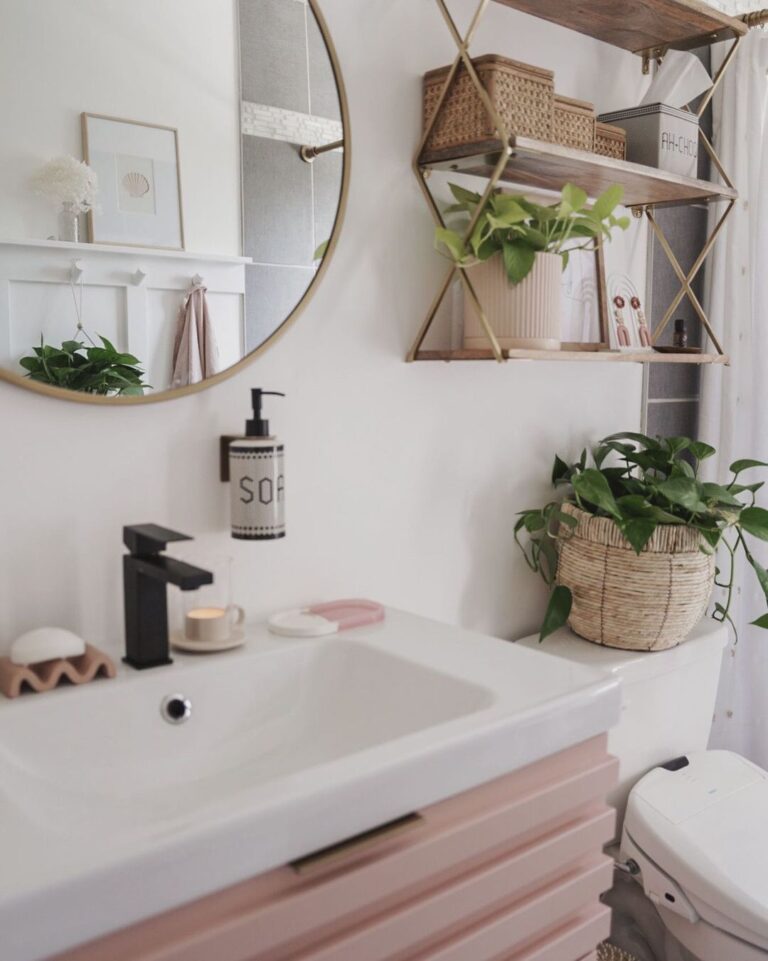
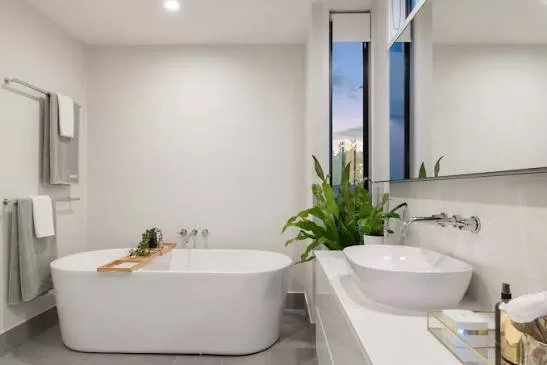
In a bathroom, address leaks, cracked grout and poor ventilation first. Then consider a new vanity top, updated mirror or water-efficient fixtures. Keep permanent surfaces calm and simple, since highly personal tile patterns may narrow the room’s appeal.
Material choices should suit the way each room is used. Select moisture-resistant finishes for bathrooms and easy-to-clean surfaces for food preparation areas. A comparison of home improvement returns can provide useful context, though resale value is only one part of the decision. A kitchen that reduces clutter and a bathroom with effective lighting also improve your experience for every month you continue living there.
The Appeal of Custom Storage
Good storage makes rooms feel larger because everyday items have a defined place. Buyers notice this during viewings. Overfilled shelves and crowded floors suggest that a home lacks capacity, while fitted cabinetry shows how the available space can work.
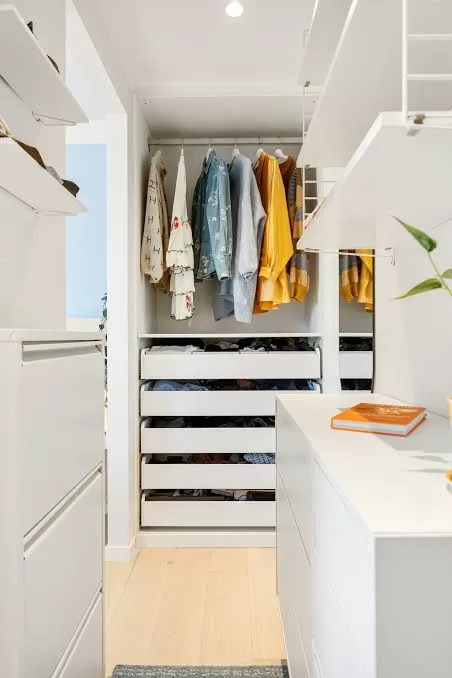
Start with the areas that create the most friction in your routine. An entryway may need hooks, a bench and closed shoe storage. A laundry room might benefit from upper cabinets and a counter for folding. Bedrooms often need adjustable shelving, double hanging rails and drawers that reduce the need for extra furniture.
A dedicated dressing area can also become more useful when storage is designed around the way the room is actually used. Professionally designed walk-in closets can combine adjustable shelving, double hanging areas, drawers, shoe storage and other features based on the homeowner’s wardrobe and available space. Planning the layout also helps you check clearances and decide how much room each clothing category requires.
Measure carefully before choosing any built-in system. Record ceiling height, baseboard depth, door swing and the position of outlets or vents. Leave enough open space to move comfortably and avoid filling every wall simply because shelving will fit.
Use adjustable components where possible. Household needs change, and shelves that can move are more useful than fixed compartments designed for one collection. Consistent finishes also matter. Storage that matches nearby doors, trim or flooring will look connected to the room instead of appearing like a later addition.
Curb Appeal Beyond the Exterior
Curb appeal begins outside, but the impression continues through the front door. Buyers quickly register the condition of the entry, the amount of natural light and the view into adjoining rooms. A tidy transition from exterior to interior helps the property feel welcoming and well organized.
Clean the door, replace worn hardware and choose an appropriately scaled light fixture. Inside, remove oversized furniture that blocks the route from the entrance. A slim console, a durable runner and concealed storage can make a narrow hall more useful without crowding it.
Pay attention to sightlines. If the kitchen is visible from the foyer, clear the counters and repair any noticeable cabinet damage. If visitors first see a living room, arrange the furniture so the route through the space is obvious. Open curtains during daytime showings and use warm, consistent bulbs in darker corners.
Current guides to renovation ROI often consider exterior work alongside interior updates. Treat the two areas as one continuous experience. Repeating a finish, color, or material can create that connection. For example, a dark bronze exterior handle can relate to similar hardware on an interior console.
Finish with practical details. Use a washable entry mat, provide a proper place for coats and remove anything that interferes with the door. These small changes improve the first few seconds of a viewing and continue to serve your household long after the project is complete.

Smart Home Tech Integration
Choose smart home features that solve a clear household problem and remain simple for a future owner to operate. A programmable thermostat, video doorbell, connected lighting controls and water leak sensors are familiar examples. Devices that depend on several apps or an obscure subscription may feel burdensome during a sale.
Check compatibility before buying. Confirm that the device works with your home’s wiring, Wi-Fi coverage and preferred mobile platform. Some smart switches need a neutral wire, while certain thermostats require specific heating systems. A qualified installer can verify these details if the existing setup is unclear.
Plan for privacy and ownership transfer as well. Keep installation instructions and reset procedures in a labelled folder. Before handing over the property, remove personal accounts, delete stored access codes and restore devices to their factory settings. Buyers should be able to activate each product without receiving your private login information.
Technology should also have a manual option. Physical light switches, ordinary key access and simple temperature controls ensure that the home remains functional during an internet outage. Avoid installing screens or controls where they interrupt an otherwise calm room design.
Once the work is finished, test every device and label the electrical panel clearly. A connected leak sensor under the kitchen sink has far more practical value when the next homeowner knows where it is, how it sends alerts and when its battery needs replacing. That small handover detail turns a gadget into a useful part of the property.