Property Value: Smart Upgrades for Better Returns

A higher sale price often starts with practical improvements that make a home look cared for, efficient and ready to occupy. The best projects address visible wear, improve everyday function and appeal to a broad range of buyers. Before spending money, study the property as a buyer would and compare each proposed upgrade with local market expectations. This keeps personal preferences from taking over the renovation plan and helps direct funds toward work that can support a better return.
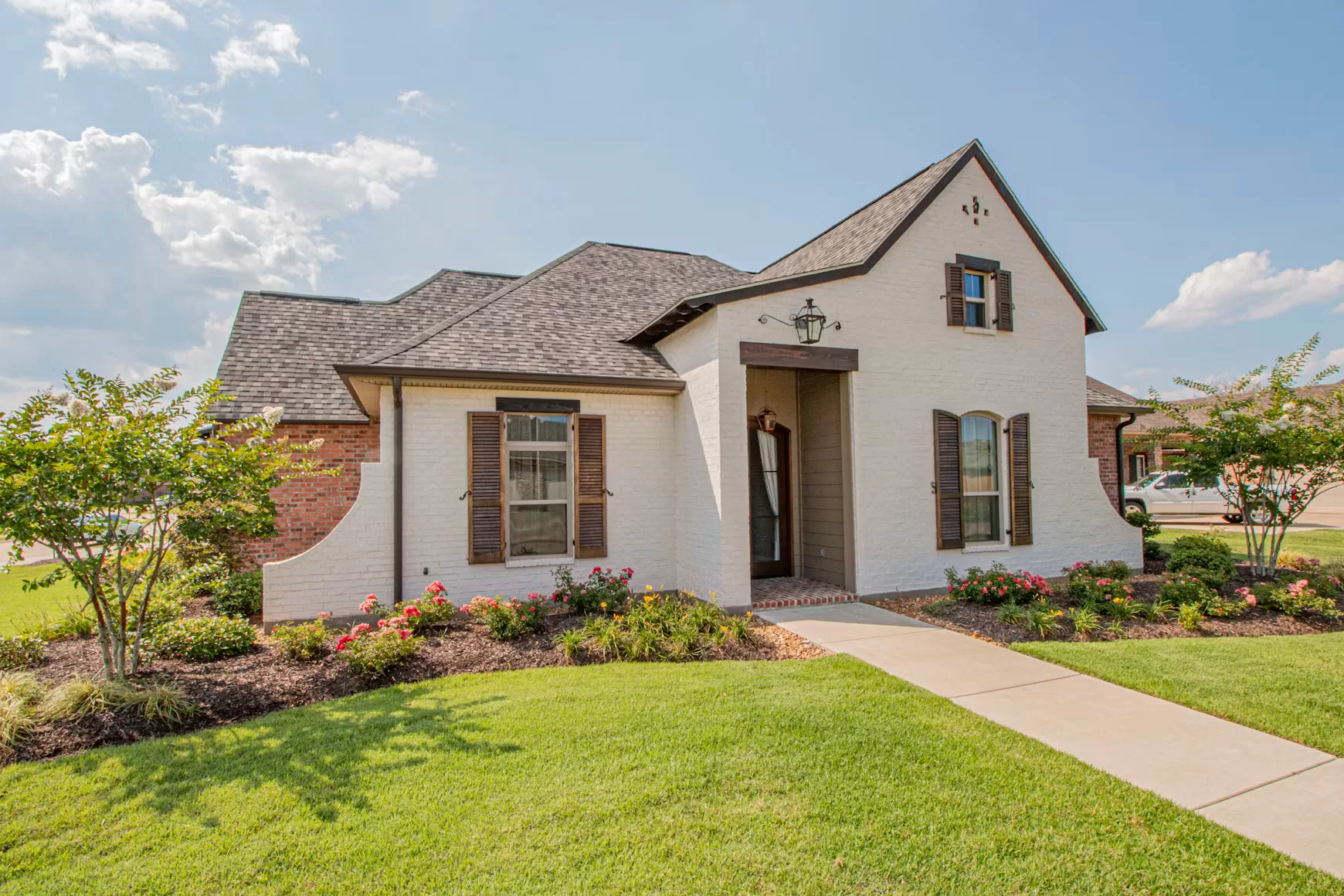
Image Credit: Unsplash
Evaluate Your Home’s Current Appeal
Start with a detailed walk-through of the house and property. Take photos in daylight, then review them later. Photographs often reveal faded paint, crowded rooms and worn finishes that become easy to overlook when you see them every day.
Look first for maintenance issues. Water stains, loose railings, damaged flooring and doors that don’t close properly can make buyers suspect that larger problems are hiding elsewhere. Correcting those defects may add less visual excitement than installing a fashionable feature, but it protects the home’s perceived value. A buyer who sees several unfinished repairs may lower an offer to account for both the work and the uncertainty.
Next, compare your home with recently sold properties of a similar size and age. Pay attention to features common among successful listings, such as updated lighting, neutral paint and tidy outdoor areas. The Los Angeles County Association of REALTORS® offers a useful overview of smart property improvements that can help you separate broadly appealing projects from highly personal ones.
Ask a real estate professional to identify the three features most likely to concern buyers. You can also invite a trusted friend to tour the home and describe their first impression. Use that feedback to create three categories: necessary repairs, high-visibility improvements and optional upgrades. This simple system keeps cosmetic wish-list items from taking priority over work that could affect an inspection or appraisal. Instead, focus on improvements that genuinely increase home value and contribute to a positive impression for potential buyers or evaluators.
High-Impact Exterior Enhancements
The exterior sets expectations before a visitor enters the house. Clean siding, visible house numbers and a well-kept entry signal that the property receives regular attention. Begin with inexpensive work such as pressure washing suitable surfaces, cleaning windows and repainting a tired front door. Replace broken light fixtures and make sure paths are even, clear and well lit.
Landscaping should frame the home without hiding it. Trim shrubs below windows, remove dead plants and add mulch to define planting beds. Mature trees can be a valuable feature, but damaged limbs and heavy growth may block natural light or create maintenance concerns. Property owners in the Scottsdale metro area can consider professional tree trimming when pruning is beyond the safe scope of routine yard work.
Keep new planting simple. Choose species suited to the local climate and group plants with similar watering needs. Buyers may appreciate an attractive yard, but elaborate gardens can look expensive to maintain. A few healthy plants near the entrance usually create a stronger impression than many undersized plants spread across the property.
Other useful projects include repairing fences, refreshing porch surfaces and defining a seating area. Redfin’s guide to valuable outdoor upgrades can help you compare possible improvements. Before adding a major feature, check neighborhood sale listings to see if buyers regularly expect it. In many cases, a clean and functional outdoor space has wider appeal than an expensive installation that requires ongoing care.
Interior Updates That Matter
Interior renovations produce the best results when they correct visible age or poor function. Fresh paint remains one of the simplest ways to give rooms a cleaner, brighter appearance. Warm whites, soft grays and muted natural colors allow flooring, furniture and architectural details to stand out without making the space feel impersonal.
Kitchens and bathrooms receive close attention from buyers, yet they don’t always require complete remodeling. If cabinets are structurally sound, new hardware, adjusted hinges and a clean backsplash may be enough. Replacing a damaged countertop or dated faucet can also sharpen the room’s appearance. In a bathroom, renew stained caulk, repair loose tiles and replace a worn toilet seat before considering larger changes.
Lighting deserves equal attention. Use bulbs with consistent color temperatures and replace fixtures that are broken or clearly out of scale. Under-cabinet lights can improve a dark work surface, while a simple pendant can give a dining area a clearer purpose. Natural light matters too, so remove heavy window coverings that make rooms feel smaller.
Flooring should look clean and consistent. Refinish damaged wood where practical, stretch loose carpet and repair cracked tiles. Installing several unrelated flooring products in adjoining areas can make a house feel fragmented. For more ideas, these interior design tips explain how details such as color, storage and room arrangement can influence value.
Finish with basic staging. Clear counters, reduce oversized furniture and give each room an obvious use. Buyers should be able to understand the layout without having to imagine how a crowded or undefined room might function.
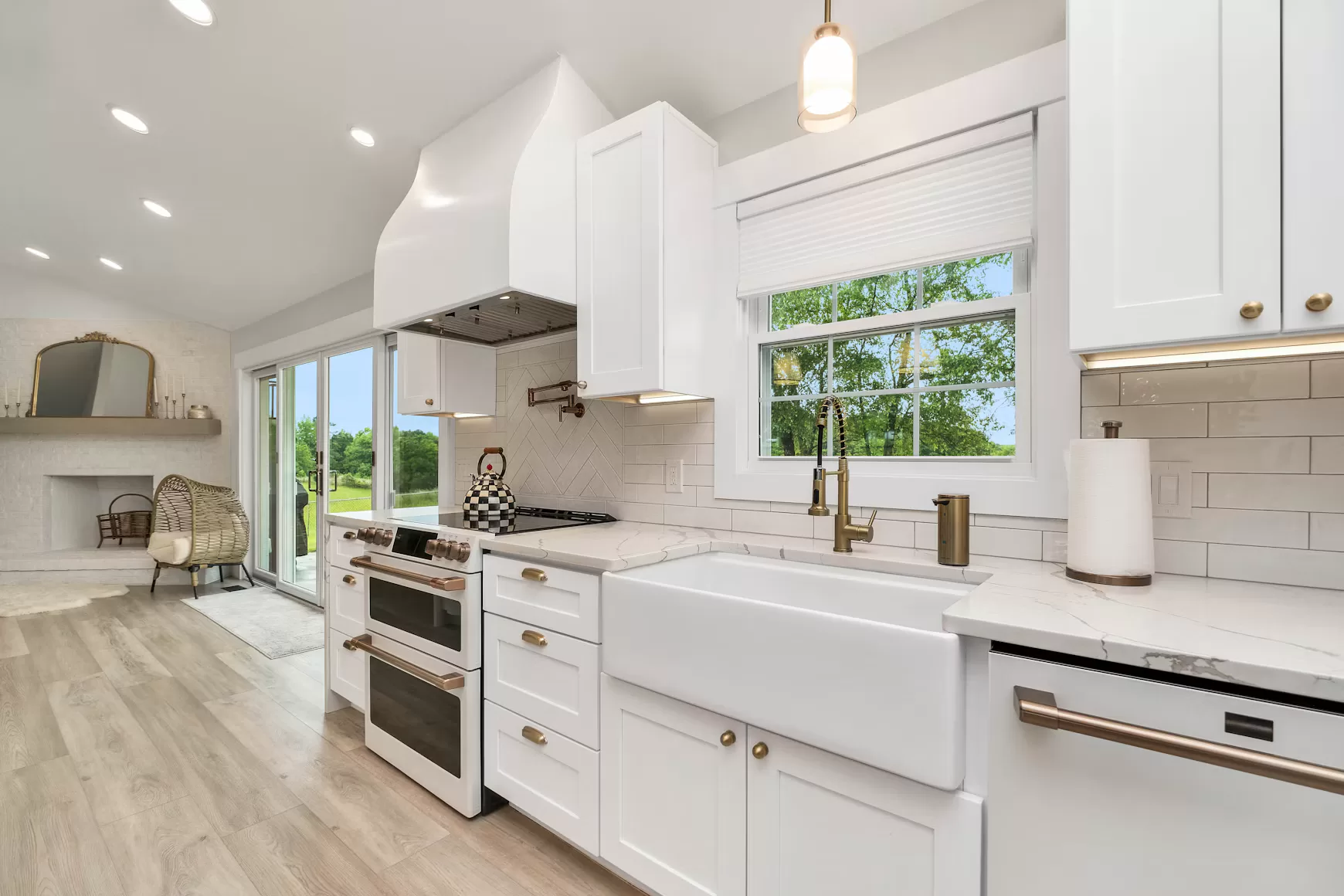
Image Credit: Unsplash
Budgeting for Renovation Success
Set a firm spending limit before requesting quotes or buying materials. Include labor, materials, permit fees, cleanup and a reserve for unexpected findings. For a project involving walls, plumbing or older finishes, a contingency of 10% to 20% can keep one surprise from stopping the work. Smaller cosmetic projects may need a lower reserve if the scope is clear.
Separate the budget into three levels. Fund safety concerns and deferred maintenance first. Next, cover improvements that affect presentation, such as paint, flooring repairs and exterior cleanup. Use the remaining amount for optional additions only after the essential work has firm prices.
Collect detailed quotes from qualified contractors for specialized jobs. Each estimate should describe the scope, materials, payment schedule and expected completion date. Confirm who will handle permits and debris removal. A low total may exclude work included in another contractor’s price, so compare line items instead of looking only at the final number.
Timing also affects cost. Ordering custom materials too late can delay several trades, while changing selections after installation begins can create extra labor charges. Choose finishes early and check availability before scheduling the project. If you plan to sell soon, allow time for delays, final cleaning and photography.
Track every expense in a simple spreadsheet. Record the original budget, accepted quote, change orders and actual payment for each project. This makes it easier to cut a low-priority item if another category runs over. It also creates a useful record of improvements that you can share with a real estate professional or appraiser.
Maximizing Your Return on Investment
Return on investment depends on purchase price, neighborhood standards, project cost and buyer demand. A renovation can improve marketability without returning every dollar spent. That still has value if the work helps the home attract more interest, avoid prolonged listing time or compete with better-maintained properties.
Focus on projects that remove objections from a large number of buyers. A repaired roof leak, functional heating system or clean main living area usually matters more than a specialty room designed around one household’s interests. Opendoor’s analysis of home value improvements provides a helpful starting point for comparing common projects, though local sales should guide the final decision.
Avoid upgrading far beyond nearby homes. If comparable properties use standard midrange finishes, premium imported tile and custom cabinetry may push costs above what the market supports. Select durable materials that suit the home’s price range and architectural style. Consistency also matters. One dramatically remodeled room can make untouched spaces look older by comparison.
Measure results in more than one way. Estimate the possible increase in sale price, but also consider maintenance savings and time on the market. Replacing a failing fixture may prevent water damage, while better lighting can improve listing photos and showing experiences. Keep invoices, warranty information and before-and-after photographs so buyers can see what changed.
As the work ends, complete a final inspection at eye level and from the street. Touch up chipped paint, remove labels from new fixtures and test every repaired feature. Those small finishing tasks protect the money already invested and help the property present as a complete, well-maintained home instead of an unfinished renovation.