
How Cold Weather Yard Work Boosts Winter Wellness


Image Credit: Unsplash
When colder, wetter weather arrives, gardening can easily become another task to put off, leaving you feeling disconnected from the outdoors and less prepared for the next growing season. However, winter doesn’t mean you have to neglect your well-being or abandon your garden. Simple seasonal tasks, mindful outdoor activities, and practical cold-weather preparation can help you stay active, comfortable, and connected to nature throughout the colder months.
The Mental Shift Toward Four-Season Gardening
Many people mentally close the garden once flowers fade and daylight hours shrink. Yet a yard remains active through late autumn and winter. Soil organisms continue working, birds search for food, and fallen plant material gradually breaks down. Paying attention to these quieter changes can create a stronger connection to the natural rhythm of the year.
Gardening also gives structure to days when cold weather makes staying indoors tempting. A simple 20-minute task provides a clear beginning and end, which can help when motivation feels low. The Green Bay Botanical Garden’s guide to winter mental health highlights how gardens can provide sensory interest, physical activity, and opportunities for reflection during colder months.
Set a small seasonal goal instead of creating an ambitious weekend project. You might clear one walkway, refill a bird feeder, or inspect a single garden bed. Keep a basic outdoor kit near the door so you don’t spend valuable daylight searching for gloves and layers. If persistent rain is common where you live, a durable waterproof option such as the Keela MK6 jacket can be considered as part of a practical all-weather clothing setup.
Record what you notice, too. A few notes about waterlogged areas, persistent weeds, or plants that hold their shape through winter will help you plan next year’s garden more effectively.
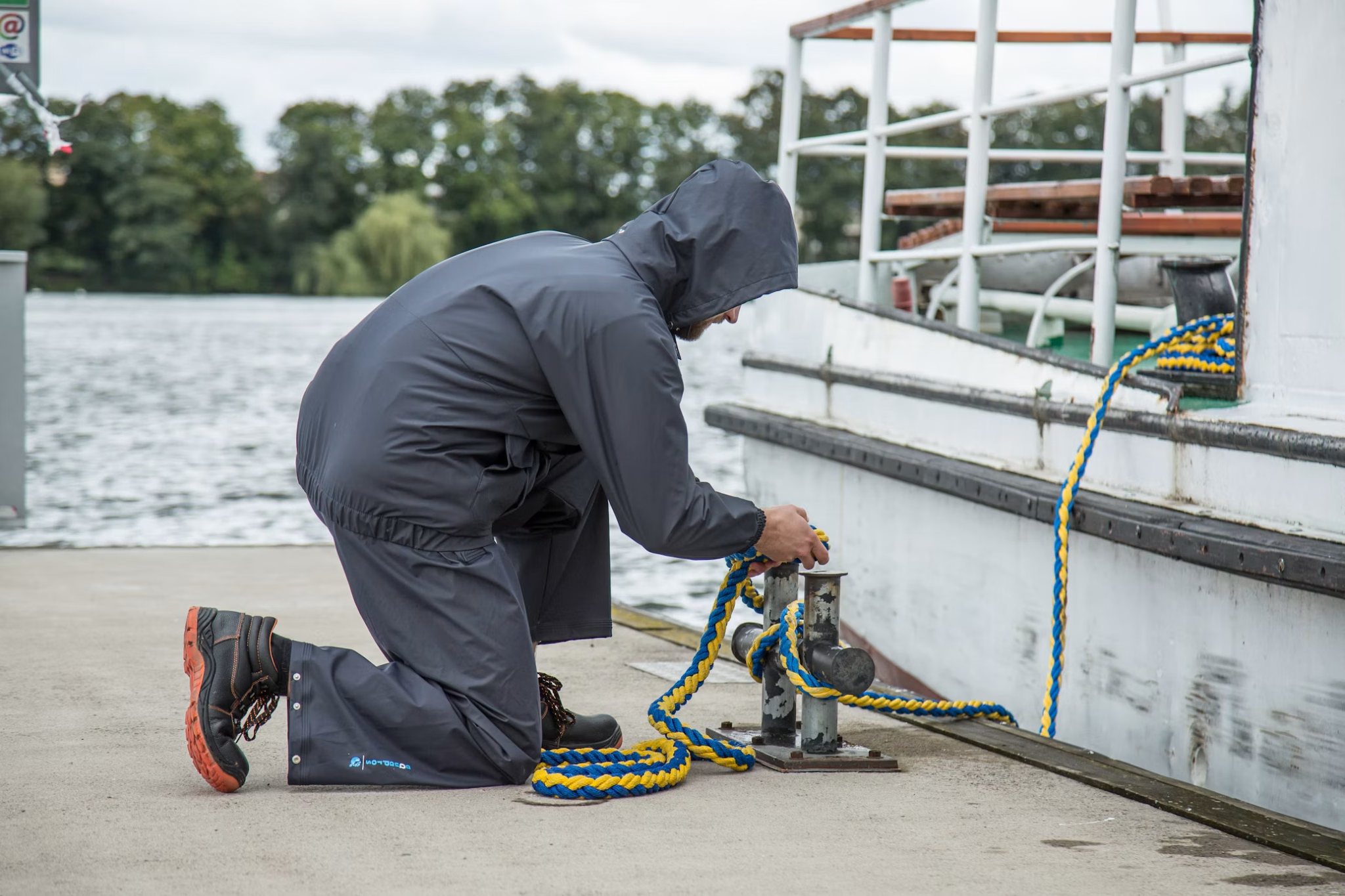
Image Credit: Unsplash
Physical Benefits of Chilly Outdoor Maintenance
Yard work combines several forms of everyday movement. Raking uses the shoulders, arms, and core, while carrying small bags of leaves adds resistance. Squatting to collect debris or prune low stems works the legs and hips. Even walking back and forth across uneven ground challenges balance in ways that indoor floors don’t.
Cold conditions require a gradual start. Spend five minutes walking around the yard, rolling your shoulders and gently bending your knees before lifting or raking. Begin with a light task and let your body warm naturally. The health value comes from steady movement, so there’s no need to race through the job.
A sensible session might include 10 minutes of leaf collection, a short rest, and another 10 minutes tidying containers. Switch hands while using a rake and alternate between standing and low-level tasks. These changes reduce repetitive strain. Guidance on healthy yard winterizing also connects seasonal garden care with movement, outdoor time and a sense of accomplishment.
Stop if your fingers become numb, your clothing gets soaked, or the ground turns slippery. People with heart, breathing, or mobility conditions should ask a health professional what level of cold-weather activity suits them. Everyone should postpone strenuous work during severe cold, high winds, or icy conditions. Winter wellness depends on consistency, not pushing through unsafe weather.
Protective Technical Outerwear for Wet Grounds
Clothing determines how comfortable a cold yard session feels. Start with a moisture-managing base layer that sits close to the skin. Add a warm middle layer, then finish with a waterproof outer layer when rain, wet branches, or damp ground are likely. Several light layers allow you to adjust as your body warms.
Look for an outer jacket with enough room across the shoulders for reaching, lifting, and raking. An adjustable hood should move with your head without blocking side vision. Secure cuffs help keep water from running down your sleeves, while accessible pockets give you somewhere to store garden ties, a phone, or dry gloves.
Your lower half needs equal attention. Wear sturdy waterproof footwear with a defined tread, particularly on leaf-covered paving and muddy paths. Trousers should allow you to bend comfortably without trailing against the ground. Knee pads or a waterproof kneeling mat can make container work and low pruning easier on cold joints.
Keep a dry layer indoors and change promptly when you finish. Wet fabric draws heat away from the body and can leave you chilled long after a short job. Hang outerwear where air can circulate, wipe mud from footwear, and dry reusable gloves fully before the next session.
Comfort also shapes your willingness to return outside. Reflections on winter gardening and mood show why maintaining a relationship with outdoor spaces can feel valuable during the colder season. When your clothing keeps rain out and lets you move freely, it’s easier to focus on the garden itself.
Mindful Yard Tasks to Try in Late Autumn
Late-autumn maintenance works best when each task has a narrow purpose. Start with paths and steps because wet leaves can become slick. Use a rake or stiff brush, then move the material to a compost pile or an out-of-the-way corner where it can break down. Leave some leaf litter under shrubs, where it can shelter small garden creatures and protect the soil surface.
Next, check containers. Raise pots slightly on feet or blocks so water can drain from the base. Empty cracked containers that may split further during freezing conditions, then store them somewhere dry. Move tender potted plants to suitable shelter before nighttime temperatures fall below their tolerance.
Healthy perennial stems can often remain in place through winter. Their seed heads add texture and may provide food or shelter for wildlife. Remove material that is diseased, slimy or blocking a walkway, cleaning tools afterward. A discussion of garden-based winter resilience offers more ideas for treating the colder season as a period of observation and care.
Bring mindfulness into the work by slowing down. Notice the sound of leaves underfoot, the texture of bark and the smell of damp soil. Put your phone away for one short task and pay attention to your breathing and posture. Essenziale’s article on the healing power of gardening explores how this mix of movement, attention, and contact with nature can support mental and physical health.
Finish before fatigue makes your technique sloppy. Clean one tool, leave the next task written on a note, and go indoors while you still feel pleasantly warm. A cleared path or a properly drained pot may seem modest, but these visible results give cold-weather yard work its satisfying rhythm.
A winter garden doesn’t need to look polished. It needs safe paths, protected soil, and enough quiet interest to draw you outside again. On the next clear afternoon, take ten minutes to inspect the yard and handle the task that will make your next visit safer or more enjoyable.