How Modern Homes Blur the Indoor-Outdoor Divide

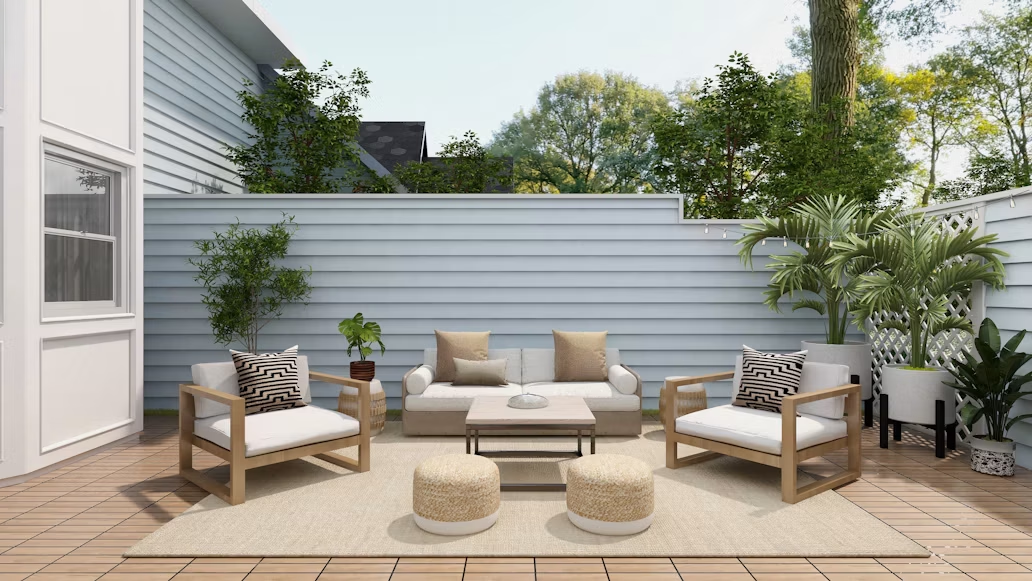
Image Credit: Unsplash
Modern home design increasingly treats the patio as a natural extension of the living area. Large openings, durable finishes and well-positioned shade allow both spaces to support daily routines without losing their individual character.
A thoughtful indoor-outdoor living space can also make a modest floor plan feel more generous. The strongest designs repeat selected colors and materials across the threshold while accounting for sun, rain and changing temperatures outside.
Connecting Interior Flow to the Patio
Start with the route between the main living area and patio. Wide sliding or folding doors provide a clear opening, but furniture placement matters just as much. Keep the walkway free of bulky chairs, tall planters and side tables so people can move comfortably while carrying food or drinks.
Repeating one or two visual details helps connect the spaces. A warm wood dining table might echo interior cabinetry, while outdoor tile could pick up the color of an indoor stone floor. Exact material matches aren’t necessary. Outdoor surfaces need more grip and weather resistance, so coordinated tones often work better than identical products.
Place seating where it relates to the room inside. An outdoor sofa aligned with the indoor seating creates one larger conversation area when the doors are open.

Architectural Shade Solutions That Last
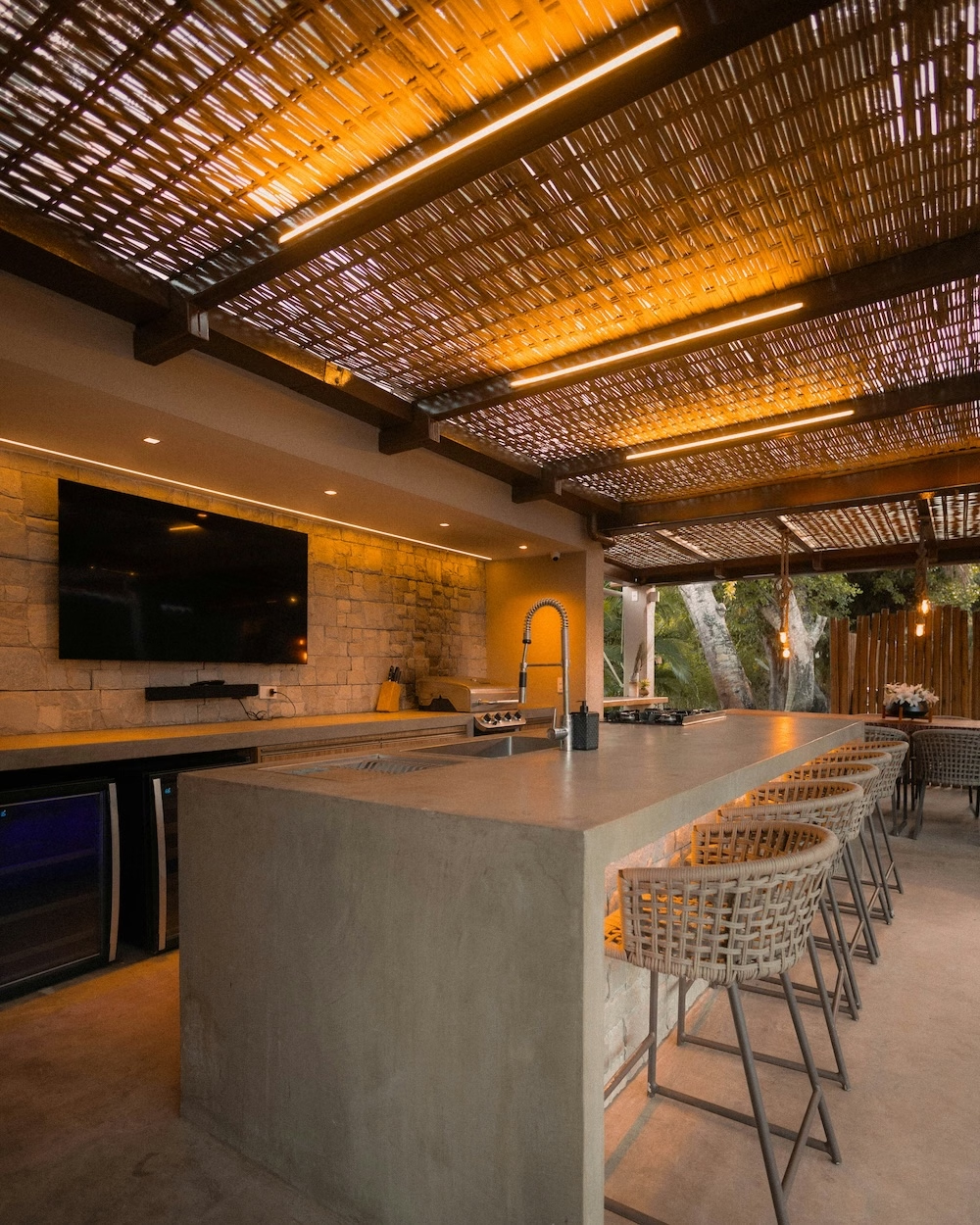
Permanent or adjustable shade makes a patio useful through more of the day. Before selecting a structure, watch how sunlight crosses the space at breakfast, midday and late afternoon. Western exposure often needs stronger coverage because low afternoon sun can reach beneath a shallow roof.
Homeowners comparing durable structures may consider Hansø pergolas as part of a broader patio plan that accounts for scale, drainage and the home’s architectural lines. Measure the full footprint and check door clearance before choosing dimensions. Posts should not interrupt major walkways or block views from inside.
Material quality matters outdoors. Ask how the finish handles moisture, fading and temperature swings, then review maintenance requirements and warranty terms. Integrated gutters can also direct rain away from seating areas and frequently used entrances.
All-Weather Textiles and Furnishings
Outdoor furniture should feel connected to the interior while standing up to far tougher conditions. Look for solution-dyed fabrics, quick-drying cushion cores and frames made for exterior use. Solution-dyed fibers carry color throughout the material, which helps cushions resist visible fading after repeated sun exposure.
Choose a restrained palette for expensive pieces, then bring in seasonal color through smaller pillows or planters. Cream, charcoal and muted green work comfortably with many interiors and won’t limit future updates. A washable outdoor rug can define the lounge while adding softness underfoot.
Practical storage will extend the life of every textile. A ventilated deck box keeps cushions dry during storms, though they should be fully dry before storage to prevent musty odors. Leave enough clearance around chairs so wet fabric can receive airflow after rain.

Ambient Lighting for Evening Lounging
Layered lighting keeps the patio inviting after sunset without making it feel like a brightly lit parking area. Place warm, low-level fixtures near steps and changes in elevation, then add a soft source above the dining table. Small lamps or concealed strips can provide enough light for conversation without creating glare through nearby windows.
Follow responsible outdoor lighting principles by directing fixtures downward, choosing the lowest useful brightness and using timers or motion controls. Warm bulbs around 2700K usually complement residential interiors and make wood, stone and textiles look natural.
Test the lighting from inside before final installation. A fixture that seems subtle outdoors may create a distracting reflection on glass doors. Dimmers make those adjustments easier and let the same patio support dinner, reading or quiet evening lounging.
The best indoor-outdoor spaces work because their details respond to real habits. A clear route from the kitchen, dependable afternoon shade and a dry place for cushions will influence daily use more than decorative extras. Once those practical elements are settled, the patio can feel connected to the home in every season without appearing like a copy of the room beside it.