
The Guide to Feeling Confident Living on Your Own

Image Credit: Unsplash
Living alone gives you freedom over your space, schedule and daily choices, but that freedom can feel unfamiliar at first. Confidence tends to grow once your home works well, your practical needs are covered, and you know who to contact when something goes wrong.
A few thoughtful habits can turn an empty or unfamiliar apartment into a place where you feel capable, comfortable and fully at home.
Embrace the Solo Living Mindset
The first few weeks of solo living may feel unusually quiet. Give yourself time to adjust before deciding that every uncomfortable moment signals a problem. Many people need several weeks to learn the sounds of a building, settle into household tasks and develop a social rhythm that suits them.
Start by treating your home as a place you actively manage. Decide when you prefer to clean, what time you usually eat and how you want to spend your evenings. Small choices create structure without making your schedule rigid. If an empty apartment feels strange after work, for example, turn on a lamp, play a familiar podcast and prepare dinner before sitting down. That sequence creates a clear transition into your evening.
It also helps to solve practical issues early. Learn where the electrical panel, water shutoff and building exits are located. Save your property manager’s contact details and write down the process for requesting repairs. The first-time solo living tips from SharedEasy also cover ways to handle anxiety and establish helpful routines during this transition.
Keep expectations realistic. You may forget trash day or buy too many groceries during your first month. Correct the issue and continue. Each small problem you handle becomes evidence that you can run your household successfully.
Secure Your Perimeter First
Confidence at home starts with understanding how people enter and move through your building. Check every exterior door and window when you move in. Locks should close smoothly, window latches should hold firmly, and sliding doors should stay on their tracks. Ask the property owner to repair damaged hardware instead of attempting structural changes yourself.
Walk through your arrival routine during daylight. Notice where you park, how far you travel from the street and which entrances remain well lit after dark. If a light near a shared entrance has burned out, report it promptly. Apartment residents should also confirm how visitors are admitted and avoid letting unknown people follow them into controlled areas.
Consider simple layers for the interior. Close curtains after dark, keep spare keys with someone you trust and avoid displaying your full name on publicly visible labels. Renters can ask for written permission before installing door sensors, cameras or other fixtures. The goal is to create a system you can use consistently without damaging the property or disturbing neighbors.
If you’re comparing alarms, portable alerts or other personal safety gear, check local rules, product instructions and building policies before choosing anything. Focus on legal, non-confrontational options that match your living situation. This apartment living safety guide offers more ideas for securing a rental and planning for common household concerns.
Equip Yourself for Daily Confidence
A well-stocked home makes ordinary problems less stressful. You don’t need a closet full of specialty equipment, but you should be able to handle a power outage, a minor spill or a loose cabinet handle without searching for supplies late at night.
Build a basic household kit with a flashlight, spare batteries, a phone power bank, a small tool set and a first-aid kit. Add a fire extinguisher approved for household use and learn how to operate it before an emergency occurs. Test smoke and carbon monoxide alarms according to the manufacturer’s instructions, then put recurring test dates on your calendar.
Prepare for short service interruptions as well. Keep drinking water, shelf-stable food and essential medication available for at least a brief disruption. Store emergency contacts on paper in case your phone loses power. Practical independent living essentials can help you identify gaps, though your own needs should guide the final list.
Daily confidence also comes from financial readiness. Set aside a small home fund for surprise expenses such as a locksmith visit, an urgent delivery or temporary transportation. Even a modest amount reduces the pressure of an unexpected bill. Keep a separate list of recurring household costs so rent, utilities and internet charges don’t arrive as surprises.
Finally, learn one or two basic skills each month. Practice resetting a tripped breaker, unclogging a sink safely or sewing on a button. Knowing your limits matters too. Gas odors, sparking outlets and major leaks call for professional help or emergency services.
Build Community Connections Nearby
Living alone doesn’t require handling every situation alone. Familiar faces nearby can make your neighborhood feel more comfortable and give you practical contacts when you need information or assistance.
Introduce yourself to at least one neighbor on your floor or street. A simple conversation near the mailbox is enough. You don’t need to share private details, keys or your schedule. The aim is mutual recognition, which can be useful if a package is left outside, a car light stays on or maintenance affects several homes.
Learn where essential services are located before you need them. Save the address and hours for a nearby pharmacy, urgent care clinic, grocery store and late-night transportation option. Add your building manager, utility providers and local non-emergency services to your contacts. If you have a pet, identify a regular veterinarian and an emergency clinic.
Schedule social contact with some intention. Invite a friend for dinner twice a month, join a local class or work from a nearby cafe occasionally if your job allows it. The suggestions in this smooth solo transition guide include ways to stay connected while still enjoying privacy.
Create a check-in arrangement with one trusted person if it helps you feel more settled. It can be as simple as a text after a late arrival or a weekly Sunday call. Agree on what the other person should do if you miss a planned check-in so the arrangement remains clear and useful.
Design Routines That Promote Calm
Predictable routines reduce the number of decisions you need to make when you’re tired. Begin with a simple closing routine at night. Check the door, close accessible windows, place your phone on its charger and prepare what you need for the morning. Completing those tasks in the same order makes it less likely that you’ll lie awake wondering whether you forgot something.
Use a weekly home reset to prevent chores from piling up. Choose a 30- to 45-minute block for taking out trash, changing linens, checking groceries and reviewing upcoming bills. A timer can keep the session focused. If one task needs more attention, schedule it separately instead of letting it consume the whole routine.
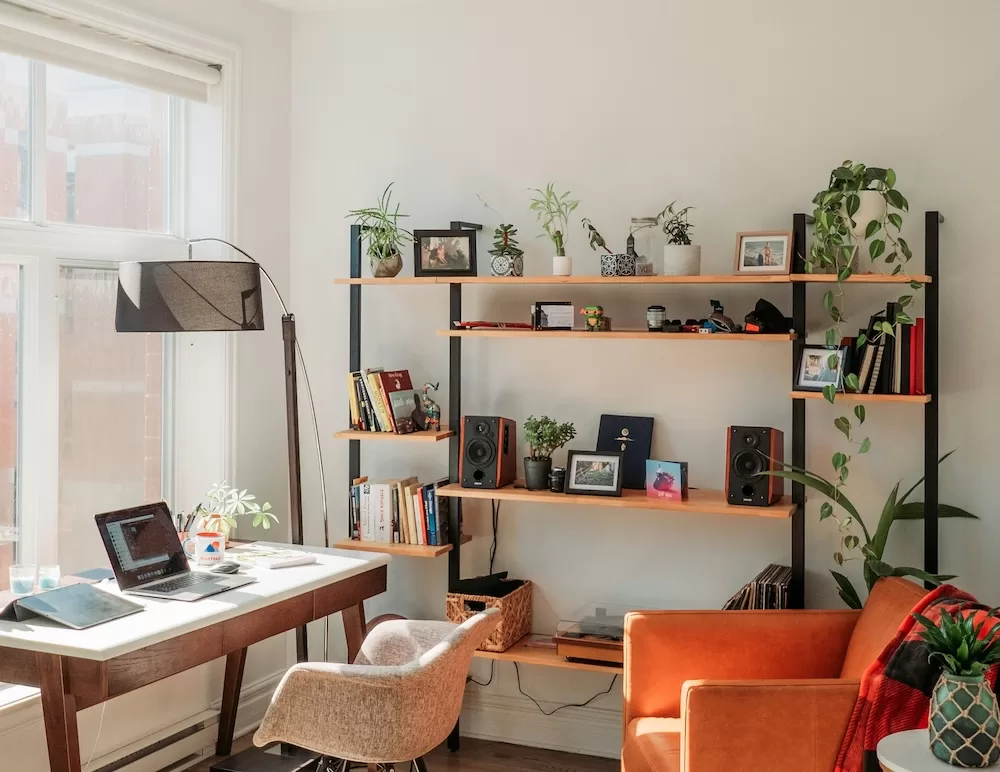
Your home’s design can support calmer habits. Keep frequently used objects in predictable locations, especially keys, medication and chargers. Use warm lamps in living areas and leave clear paths between furniture. Clutter near entrances can create a daily nuisance and become a tripping risk, so give shoes, bags and deliveries a defined place.
Pay attention to the routines that support sleep and mood. Regular meals, movement and time outside often make quiet evenings feel more restorative. If anxiety begins affecting sleep, work or your willingness to leave home, speak with a qualified health professional. Household organization can ease ordinary stress, but persistent distress deserves direct support.
Over time, your evening door check and Sunday home reset will become almost automatic. That familiar rhythm is often the clearest sign that the space has become your own.