
Simple Plumbing Checks Every Homeowner Should Make

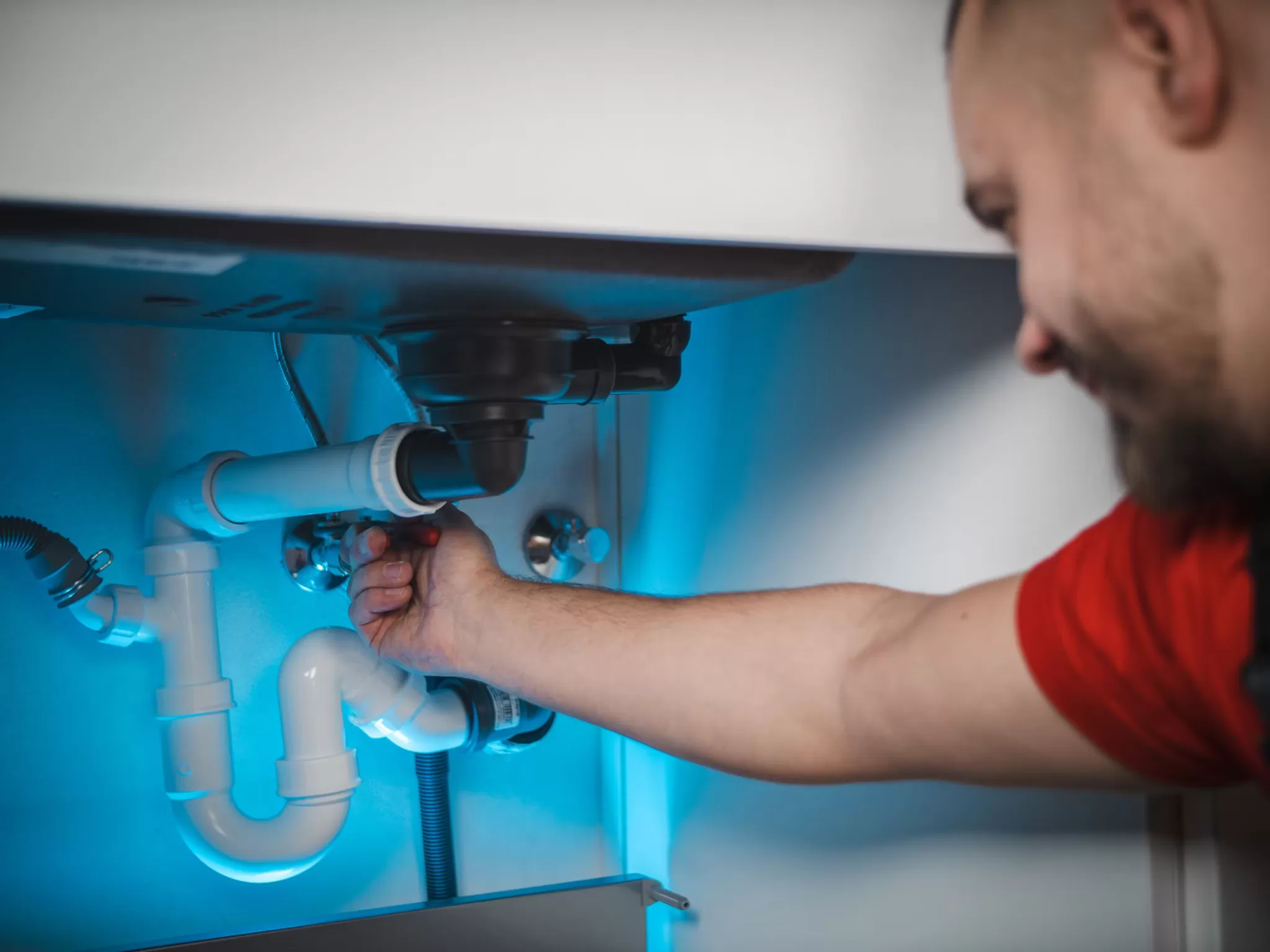
Image Credit: Unsplash
Your home’s plumbing system usually does its job without you even thinking about it. But when something goes wrong, it suddenly becomes a big deal. A burst pipe or a bad leak can cause a lot of damage and mess. Luckily, you can stop many common plumbing problems before they start with just a few simple checks. Spending a little time each month looking at your system helps you catch small issues before they turn into expensive emergencies.
Regular Visual Inspections
One of the easiest ways to see how your plumbing is doing is to simply take a look. Once a month, just walk around your house and visually check all the pipes you can see. This means the pipes under your kitchen and bathroom sinks, behind the toilet, and around your water heater and washing machine.
Keep an eye out for any damp spots, drips, or water stains on the walls and floors nearby. Also, check the pipes themselves for any discoloration or rust, which could mean there’s a slow leak. A thorough plumbing inspection also includes checking your water pressure and the shut-off valves. Make sure you know where your main water shut-off valve is, just in case you ever need to turn off the water fast.
Spotting Hidden Leaks
Not all leaks are easy to spot. Some might be hiding behind walls or under floors, slowly causing damage without you even knowing it. A great way to check for these hidden leaks is to use your water meter. First, make sure every appliance that uses water and every faucet is turned off. Then, write down the number on your water meter.
Wait an hour or two without using any water, then check the meter again. If the number has changed, you probably have a leak somewhere in your system. This is a clear sign you need to investigate further. If you suspect a hidden leak but can’t locate it yourself, contacting a professional plumbing company such as Bluefrog Plumbing can help identify the source and complete the necessary repairs before the problem leads to more extensive water damage.
Understanding Your Water Heater
Your water heater works really hard in your home, and it needs regular attention to keep running safely and efficiently. At least twice a year, check its temperature setting. The Department of Energy suggests setting it to 120°F to prevent scalding and save energy.
You should also test the temperature and pressure relief (T&P) valve. This safety device is designed to open if the pressure or temperature inside the tank gets too high. Put a bucket under the discharge pipe and lift the lever. Hot water should come out. If it doesn’t, the valve might need replacing. Also, look for any rust or leaks around the bottom of the tank, which could mean it’s time for a new one.
Drain Care Best Practices
Clogged drains are annoying, but you can prevent many of them with good habits. The most important rule is to be careful about what you let go down the drain. Don’t pour cooking grease, coffee grounds, or other food bits down the kitchen sink, as they can harden and create tough blockages. Use drain strainers in your sinks and shower to catch hair and soap scum.
For small clogs, you can often clear them with a simple mix of baking soda and vinegar, followed by hot water. This is much gentler than harsh chemical drain cleaners, which can damage your pipes over time. Following an easy checklist for your home can help you stay on top of these easy maintenance tasks.
Seasonal Plumbing Preparations
Your plumbing needs can change with the seasons. Before winter hits, it’s super important to protect your pipes from freezing. Disconnect garden hoses from outside spigots, and if you have inside shut-off valves for them, turn them off and drain the lines. Insulate any exposed water pipes in cold areas like basements, crawl spaces, or garages.
In the spring, as it gets warmer and the rainy season starts, make sure your sump pump is working well. Pour a bucket of water into the sump pit to check that the pump turns on, removes the water, and then shuts off correctly. A working sump pump is your best defense against a flooded basement.
Adding these simple checks to your home maintenance routine helps make sure your plumbing system runs smoothly and reliably. Just a few minutes of prevention can save you from the stress and cost of a big plumbing emergency later on.